News briefs
Moderna’s
vaccine nixed
WASHINGTON (AP) — The U.S. Food and Drug Administration is refusing to consider Moderna’s application for a new flu vaccine made with mRNA technology. The company announced the news on Tuesday.
The FDA’s decision reflects heightened scrutiny under Health Secretary Robert F. Kennedy Jr., who has criticized mRNA technology. Moderna received a “refusal-to-file” letter, objecting to its clinical trial methods.
The FDA said the trial didn’t compare the new shot to the best available standard of care. Moderna has requested an urgent meeting with the FDA and noted it has applied for approval in Europe, Canada and Australia.
Google, Meta,
push back
LOS ANGELES (AP) — Jurors in a landmark social media case that seeks to hold companies responsible for harms to children got their first glimpse into what will be a lengthy trial characterized by dueling narratives from the plaintiffs and the two remaining defendants, Meta and YouTube.
At the core of the Los Angeles case is a 20-year-old identified only by the initials “KGM,” whose case could determine how thousands of other, similar lawsuits against social media companies will play out. She and two other plaintiffs have been selected for bellwether trials — essentially test cases for both sides to see how their arguments play out before a jury.
Fraud claims
years-old
ATLANTA (AP) — The FBI relied on years-old claims of fraud, many of them thoroughly investigated, to obtain a search warrant to seize ballots from election offices in Fulton County, Georgia. That’s according to an affidavit unsealed Tuesday that shows the investigation began with a referral from an administration official who tried to help President Donald Trump overturn his 2020 election loss.
The affidavit provides the first public justification for an FBI search last month that targeted a county that Trump and allies have long seen as central to their false claim that the 2020 election was stolen. Audits, state officials, courts and Trump’s own former attorney general have all rejected the idea of widespread problems that could have altered the outcome.
National News
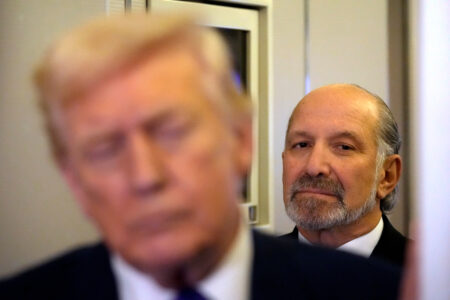
Lutnick acknowledges meetings with Epstein, denies ‘any relationship’
News briefs
Moderna's vaccine nixed WASHINGTON (AP) — The U.S. Food and Drug Administration is refusing to consider ...
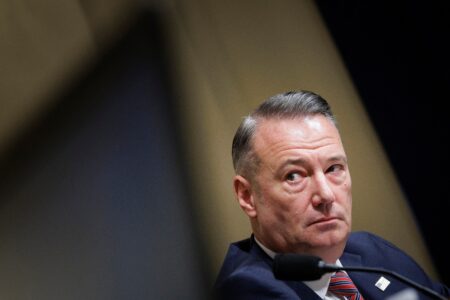
ICE chief defends his officers’ actions before Congress

FBI offers images of masked person on Guthrie’s porch

Trial starts accusing social media of addicting children