
Southern Europe burns as 3 firefighters die
Trending
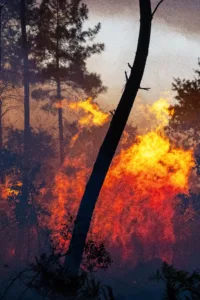
LEGE-CAP FERRET, France (AP) -- An uncontained wildfire four times the size of Paris threatened to surge again in southwest France on Wednesday -- as three firefighters died in Greece and crews across southern Europe confronted a punishing mix of heat, drought and strong winds.
The deaths on Crete brought a fatal new dimension to a wildfire emergency stretching from the Atlantic coast to the eastern Mediterranean. At the peak of the evacuations, a third of a million people were driven from homes and vacation sites in France and Spain.
In France’s Gironde region, the country’s biggest blaze had not spread during a calm night, authorities said. But as temperatures approached 40 C (104 F) Wednesday afternoon and winds strengthened, the reprieve threatened to be short-lived.
The landscape was so combustible that investigators believe routine brush-clearing work near a high-voltage line may have sparked the inferno, even though the work appeared to comply with regulations.
At the command center in Lège, firefighters bent over maps spread across a car hood, tracking three danger zones: northern Cap-Ferret; the wooded corridor around Marcheprime, Cestas and Saint-Jean-d’Illac; and a military site near Martignas, where a major outbreak forced a large deployment.
More than 2,200 firefighters and over 20 aircraft remained mobilized, backed by crews from across France and European partners.
“We strike quickly and strike hard at any new smoke emissions,” Gironde fire commander Matthieu Jomain said.
Beyond the command center, civilians were trying to hold the line themselves. At Souge, volunteers flooded the edges of dirt tracks while a local digger driver plowed through still-burning soil, trying to keep flames from crossing back when the expected west wind arrived. In Lacanau, residents pumped water from a lake into tanks headed for hot spots and firefighters’ cisterns.