
Cyclospora outbreak followed years of declining FDA foreign inspections
Trending
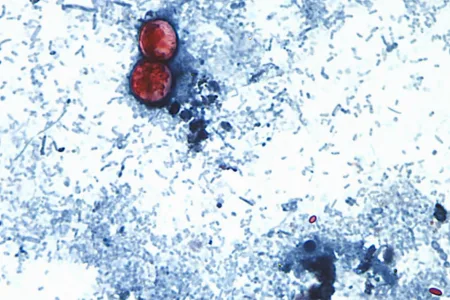
WASHINGTON (AP) -- A nationwide outbreak of cyclospora tied to contaminated lettuce has heightened safety concerns about imported food, while underscoring a longer-term trend: U.S. regulators are conducting fewer international inspections to catch contaminated produce before it lands on American plates.
Food and Drug Administration inspections of foreign food sites -- including the Mexican farm linked to the ongoing outbreak -- are down nearly 35% since 2019, the year before the COVID-19 pandemic, according to agency records reviewed by The Associated Press. The pandemic kicked off a wave of retirements and departures among FDA inspectors that continues to this day.
Even before COVID-19, the agency had long failed to hit its congressionally mandated targets for international inspections. And recent staffing cuts, reorganizations and other upheavals under President Donald Trump could mean even fewer inspections in the years ahead, according to former senior FDA officials.
“When you look at the numbers of inspections balanced against the responsibility of the FDA -- in terms of all the firms domestically and internationally under its oversight -- the agency just can’t achieve what is required,” said Michael Rogers, who spent nearly 35 years in various inspection roles within the agency. He added that FDA continues to do many things “very well with limited resources.”
The Trump administration has proposed new approaches to stretch agency resources -- including a pilot program of one-day inspections. Rogers and other officials say the abbreviated inspections are not equivalent to traditional ones, which can take a week or more to document serious problems.
FDA officials have long made the case that inspections are only one tool to oversee safety.
“Inspections will never be the only way to ensure the safety of imported products given the massive volume coming into the country,” said Susan Mayne, FDA’s former food director who is now at Yale University. “That’s why FDA uses border inspections, importer inspections, sampling and other tools.”
But the outbreak in iceberg lettuce has also laid bare the potential downsides of those approaches.
In July, regulators were forced to retract a faulty test result that they claimed found cyclospora on a sample of Taylor Farms’ lettuce obtained at the border. Despite the error, FDA officials say they are confident the company’s farm is the source of the diarrhea-causing parasite. Mexican food authorities, however, say they have not found any positive samples or other red flags there.
A spokesperson for the Department of Health and Human Services, which oversees FDA, said the agency’s investigation is ongoing. Additionally, FDA officials are studying how many foreign inspections should be conducted annually “to ensure oversight comparable” to the U.S. food supply.
FDA inspectors arrived at the Taylor Farms site in Guanajuato, Mexico, in mid-August, about one month after the recall was announced July 17.
It was their first visit there since 2019. That year marked an all-time high for foreign food inspections before the FDA pulled most of its staff from the field during the pandemic.
Inspections for food -- along with drugs, medical devices and other products -- still haven’t recovered. And foreign food inspections actually fell further behind last year, down 17% to 1,140 in fiscal year 2025 from the prior year.
While inspectors were not among the 3,500 jobs targeted for termination by the Trump administration, the agency did eliminate more than half the staffers who handle travel bookings. That’s left inspectors to handle most of their own flights, lodging and other logistics.
Food experts say it shouldn’t have taken four weeks to get inspectors on-site in Mexico, considering the scale and number of people sickened.
“It took us too long to get boots on the ground,” said Frank Yiannas, the former top food safety official at FDA. “When these outbreaks happen in fresh produce, you have to respond quickly because these are very complex and changing ecosystems.”
The Taylor Farms recall involved thousands of packaged salad products combining iceberg lettuce with other vegetables. The products were shipped to major U.S. restaurant chains, including Yum Brands, which owns Taco Bell, Pizza Hut and KFC.
According to FDA figures, companies have announced more than 480 food recalls in the current fiscal year, already surpassing four out of the five previous years.
Washington has tried before to overhaul the U.S. food safety system.
A string of deadly outbreaks involving spinach, cantaloupe and other produce led Congress to pass the Food Safety Modernization Act of 2011, which required additional testing, training and monitoring of hygiene conditions at farms. The legislation also set aggressive goals for FDA foreign inspections -- targets the agency has never met.