
Arctic birds soar south into UP
Northwoods Notebook
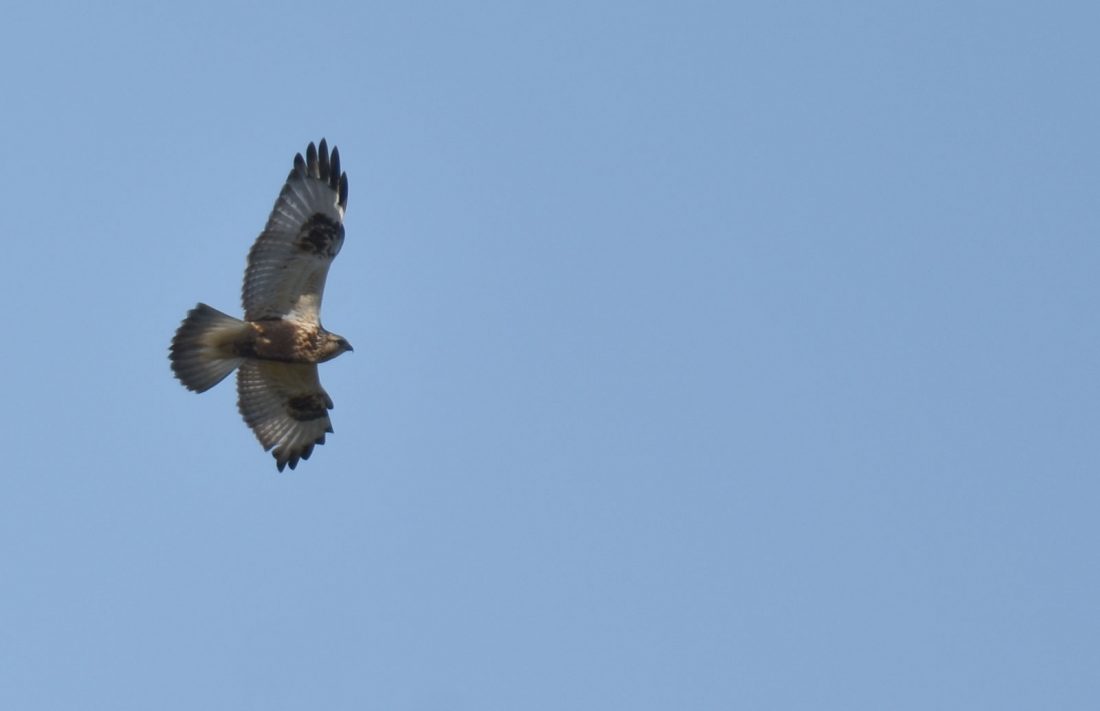
A rough-legged hawk scans for prey in Felch Township on Thursday. The species spends part of the year in the Arctic, nesting on the tundra.
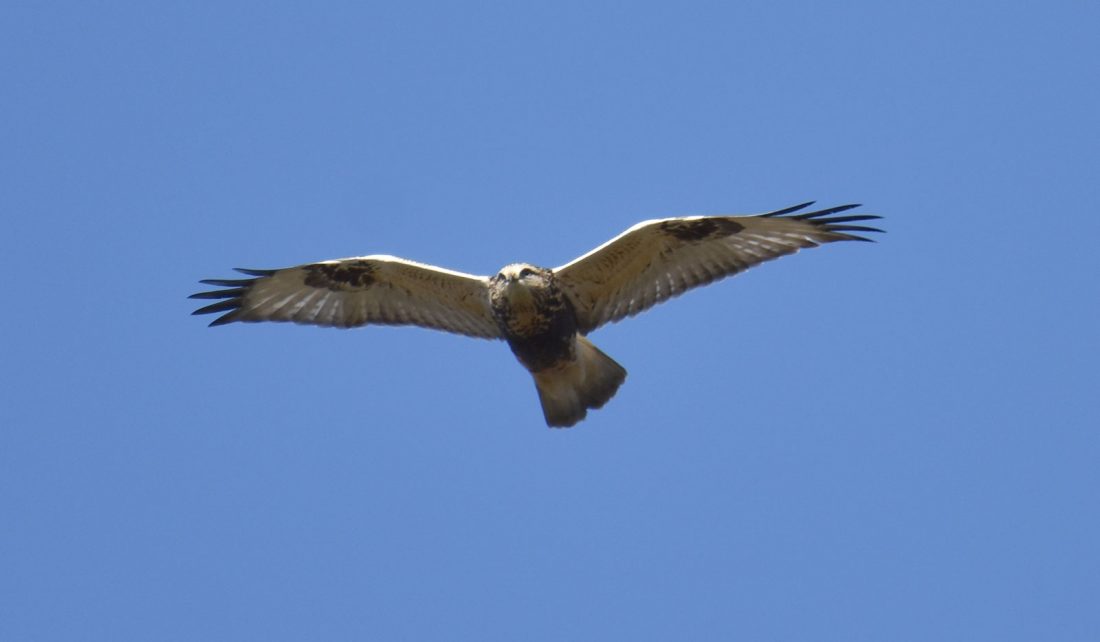
Betsy Bloom/Daily News photos
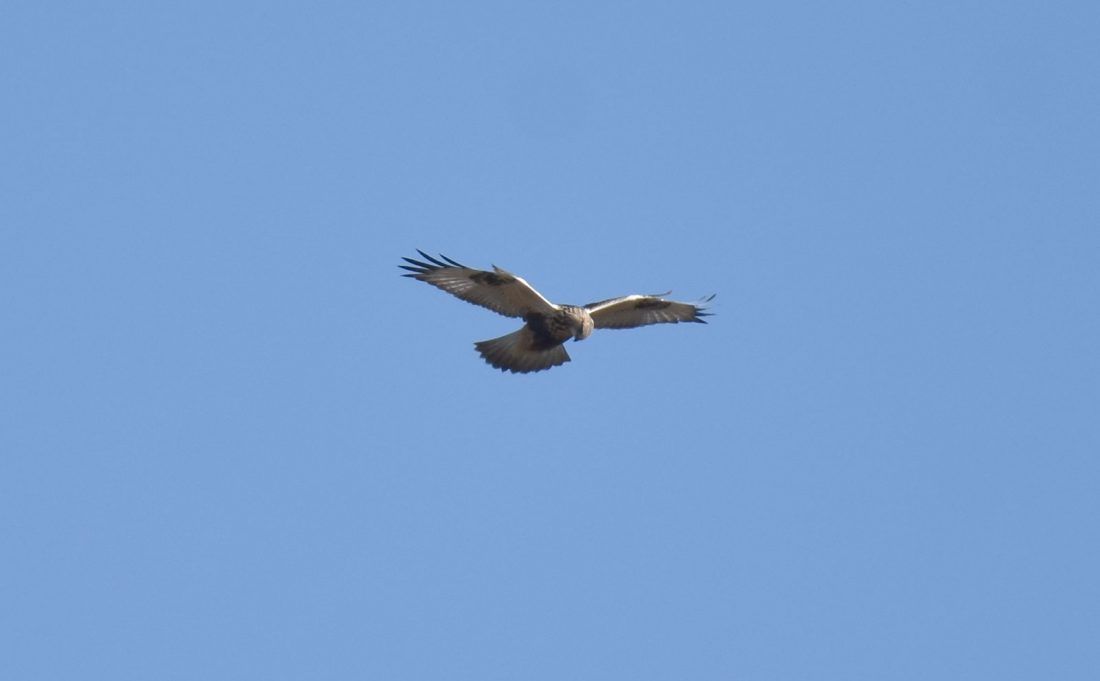
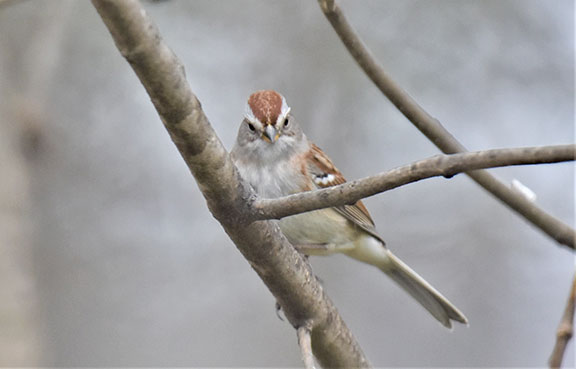
American tree sparrows, which are now in the region, breed in the high Arctic.
A rough-legged hawk scans for prey in Felch Township on Thursday. The species spends part of the year in the Arctic, nesting on the tundra.
Betsy Bloom/Daily News photos
American tree sparrows, which are now in the region, breed in the high Arctic.
Trending
Now that most of the southbound birds have departed, the ones from the far north are beginning to move in or through, at least the first individuals.
A rough-legged hawk was soaring above the fields and pumpkin patch Thursday at Slagle's Family Farm in Felch Township, pausing to hover as it scanned for prey -- it favors rodents, with some evidence that like the American kestrel, it may be able to see urine and waste trails that for us would only be visible under ultraviolet light, according to Cornell Lab of Ornithology's All About Birds website, www.allaboutbirds.org.
This is a good-sized raptor, with longer wings but a smaller bill than the more familiar and slightly larger red-tailed hawk. Their hunting habit of hovering in mid-air can make them easy to spot, as does their preference for hunting open areas such as fields and cleared hillsides. They usually have white breasts and underwings, with prominent dark patches at the bend in the wing, though they can have individuals as dark as chocolate brown, according to All About Birds.
They get the "rough-legged" name from having shaggy feathering down to its taloned toes, a reflection of living part of the year in the Arctic, nesting on the tundra. But non-breeding birds can be found in winter as far south as Texas and the southwestern states.
Also showing up in the past week: a northern shrike carrying what appeared to be a vole -- an impressive catch for a jay-sized boreal forest bird that is not a raptor but acts like one -- and the first American tree sparrows and fox sparrows, both of which breed in the high Arctic. Sparrows often don't actually perch on feeders but prefer to scratch like chickens on the ground underneath for whatever has fallen.
Several of the winter finch varieties already have shown up in northern Wisconsin, according to Ryan Brady, Natural Heritage Conservation Program biologist for that state's Department of Natural Resources. Species spotted so far include common redpolls -- "though don't expect them at feeders until natural seed sources like birches, alders, and tamaracks have been exhausted," Brady wrote in his weekly state birding report -- plus white-winged crossbills, pine and evening grosbeaks, American goldfinches, pine siskins and purple finches.
He personally had a female evening grosbeak "scout" at his home, though it's unlikely we'll have the level of influx seen last winter of this flashy yellow-and-black finch.
The return of warmer weather this weekend into early next week could put a damper on these movements south, Brady advised, until the wind patterns shift. The mild conditions also are the reason much of the waterfowl migration has not kicked into a higher gear, he added in the report.
Betsy Bloom can be reached at 906-774-2772, ext. 240, or bbloom@ironmountaindailynews.com.