IM updates marijuana rules to allow no new growing facilities
-
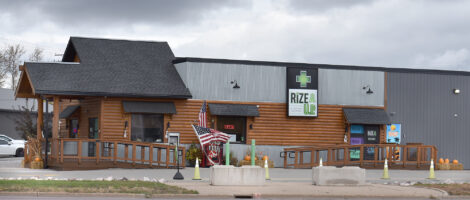
- Rize operates a marijuana retail outlet at 1580 N. Stephenson Ave., Iron Mountain, shown here, along with a growing facility nearby. (Terri Castelaz/Daily News)
-
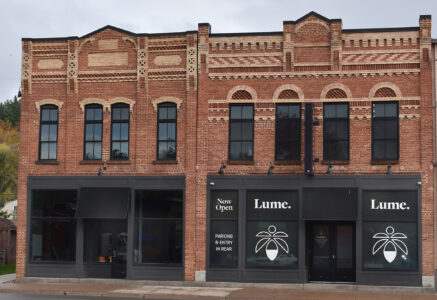
- Lume’s cannabis store at 119 S. Stephenson Ave. in Iron Mountain opened in July 2021. (Terri Castelaz/Daily News)
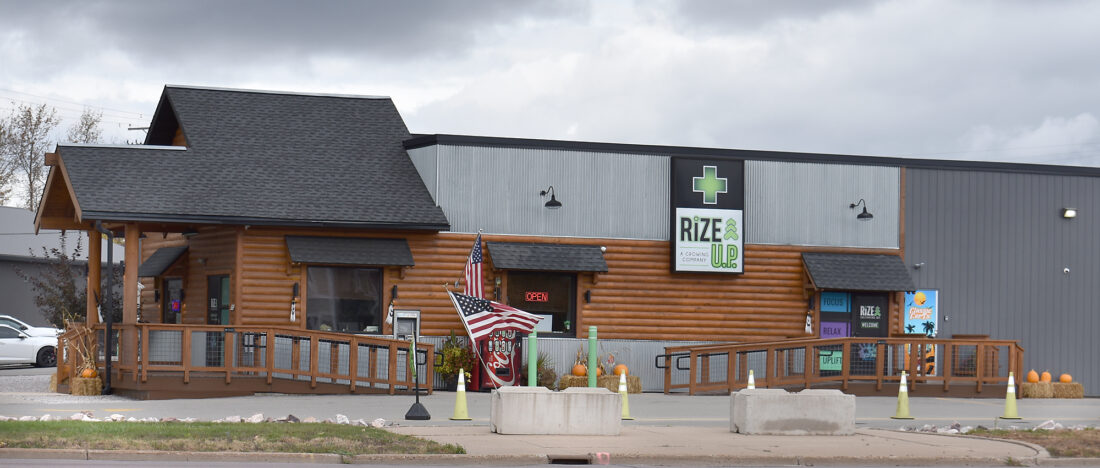
Rize operates a marijuana retail outlet at 1580 N. Stephenson Ave., Iron Mountain, shown here, along with a growing facility nearby. (Terri Castelaz/Daily News)
IRON MOUNTAIN — New licenses for marijuana growing facilities will no longer be issued in Iron Mountain under city ordinance amendments adopted Monday without objection.
By the council’s action, the two existing growers and processors on North Stephenson Avenue — Rize Cannabis and Smoke UP Farms LLC — may continue to operate, or later sell to other operators if they choose, said City Manager Jordan Stanchina.
Oversupply and competition has made growing and processing less attractive to investors and the decision to cap the number of facilities met no resistance. Up to five growing and processing facilities were allowed under the city’s initial licensing, but two of the four that were operating have closed in the past year, Stanchina said.
The decision to issue no new licenses was linked, in part, to odor complaints, although it’s rarely been a topic at council meetings.
Meanwhile, Rize at 1580 N. Stephenson Ave. and Lume Cannabis at 119 S. Stephenson Ave. will continue as the only two retail outlets in Iron Mountain.
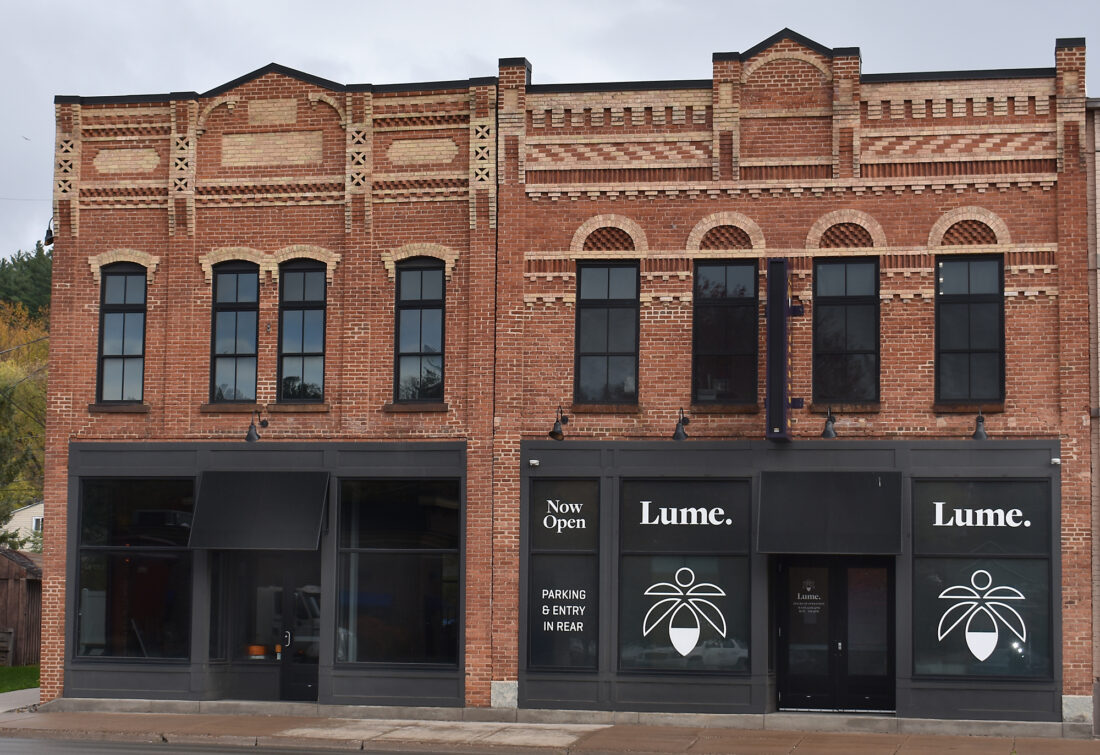
Lume’s cannabis store at 119 S. Stephenson Ave. in Iron Mountain opened in July 2021. (Terri Castelaz/Daily News)
They were awarded licenses in 2019 through a competitive process as the city capped the number of dispensaries at two. Rize pledged a $5 million investment, while Lume committed to a $2 million project.
Lume has been paying $5,000 annually to the city for a growing license but doesn’t have such a facility, Stanchina said.
Michigan voters approved the recreational use of marijuana through a 2018 ballot initiative. Sales by Rize began in late 2020 in Iron Mountain.
Legislation was introduced in October to place a statewide cap on marijuana retail licenses and remains in the Senate Regulatory Affairs Committee. State Sen. Sam Singh, D-East Lansing, a co-sponsor of Senate Bills 597 and 598, said the cannabis industry faces oversaturation of license approvals.
“Michigan’s burgeoning cannabis industry has been a boon to our economy, supporting nearly 50,000 jobs while providing additional, critical ways for residents to manage a wide range of mental and physical health issues,” Singh said when the legislation was introduced. “Limiting retailer and provisioning center licenses by population offers a lifeline to existing businesses and a common-sense approach to addressing the growing threats faced by our retailers.”
Under the proposed legislation, the number of marijuana retail shops in a given municipality would be capped at no more than one for every 10,000 residents. Existing stores could continue to operate, but there would be no new licenses in any municipality over that ratio.
At the same time, a new state law that places a 24% wholesale excise tax on recreational marijuana transfers between producers and retailers takes effect Jan. 1. The tax has been challenged in the Michigan Court of Claims by opponents who argue it violates the state constitution by amending the 2018 voter-approved Michigan Regulation and Taxation of Marihuana Act.
The Michigan Cannabis Industry Association contends that any change to the law requires a supermajority legislative vote, which the new tax did not receive. Industry representatives also say the tax would force small retailers out of business and boost the black market.
The tax meant to fund road repairs and construction and the case is expected to progress to the Michigan Supreme Court.
Several other changes are included in the marijuana ordinance amendments the council adopted Monday:
— Curbside and/or drive-thru sales will be permitted. Stanchina noted this has been occurring since the COVID-19 pandemic and there have been no reported problems. Zoning requirements for drive-thrus will still apply.
— Existing businesses will be permitted to pay only for the permits now being used, rather than those based on the original application. In effect, this could allow for discontinuing medical marijuana licensing if the owner chooses.
— Zoning has been adjusted to restrict marijuana facilities to the city’s Light Industrial District, eliminating the General Industrial District where no facilities are located.
———
Jim Anderson can be reached at 906-774-2772, ext. 85226, or janderson@ironmountaindailynews.com.