Wisconsin public lands program likely to expire without action
-
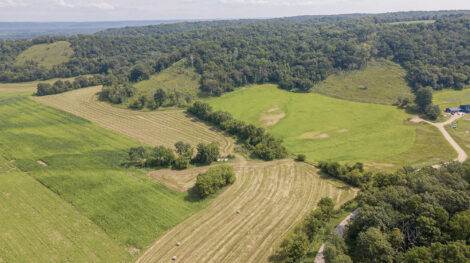
- The Agaski Bluff in southern Wisconsin was acquired by The Prairie Enthusiasts in December 2024. The 38-acre site is home to Wisconsin’s largest population of the state-endangered pale false foxglove. (Photo courtesy of The Prairie Enthusiasts, via Wisconsin Public Radio)
-

- A monarch butterfly at the Mukwonago River Oak Barrens, which has 61 acres of rare habitat near Milwaukee. It was protected with the help of Knowles-Nelson Stewardship Program funds. (Photo courtesy of The Prairie Enthusiasts, via Wisconsin Public Radio)
-
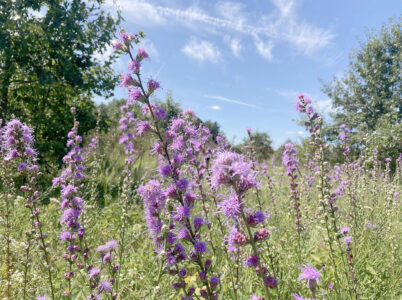
- The Mukwonago River Oak Barrens near Milwaukee was protected by The Prairie Enthusiasts in July 2025 through the help of Knowles-Nelson Stewardship Program funding. The property includes 61 acres of rare habitat near Milwaukee. (Photo courtesy of The Prairie Enthusiasts, via Wisconsin Public Radio)
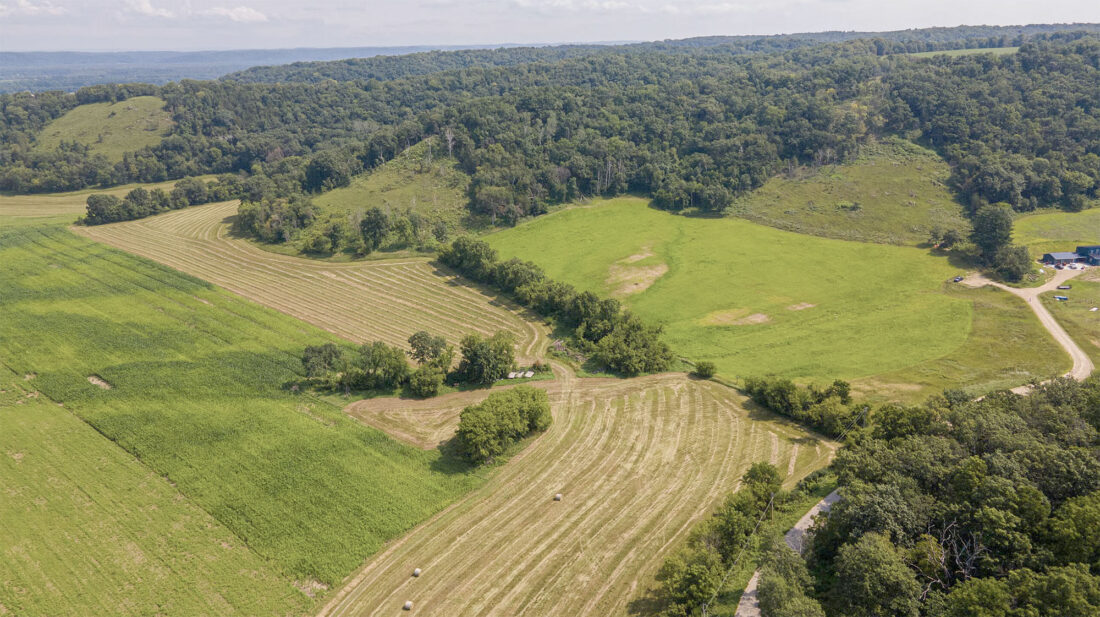
The Agaski Bluff in southern Wisconsin was acquired by The Prairie Enthusiasts in December 2024. The 38-acre site is home to Wisconsin’s largest population of the state-endangered pale false foxglove. (Photo courtesy of The Prairie Enthusiasts, via Wisconsin Public Radio)
Conservation groups say Wisconsin will lose out on opportunities to set aside public lands as the state’s land purchase program is likely to expire in June.
The Wisconsin Senate failed to take up bills last week on the Knowles-Nelson Stewardship Program, the state’s popular program for preserving public lands. The Senate does not have further floor sessions scheduled this year.
The program has historically received broad bipartisan support. Republicans cite a 2024 Wisconsin Supreme Court ruling that blocked legislative or “pocket vetoes” of funds that the Legislature had already earmarked for land purchases as one reason for the program’s looming demise.
Land trusts will likely be able to pursue fewer projects and be forced to rely almost entirely on donors, said Charles Carlin, director of strategic initiatives for the nonprofit Gathering Waters.
“Their only stable source of public funding for buying conservation lands goes away,” Carlin said. “We’ve seen source after source of federal funding become unreliable because of the chaos at the federal government.”
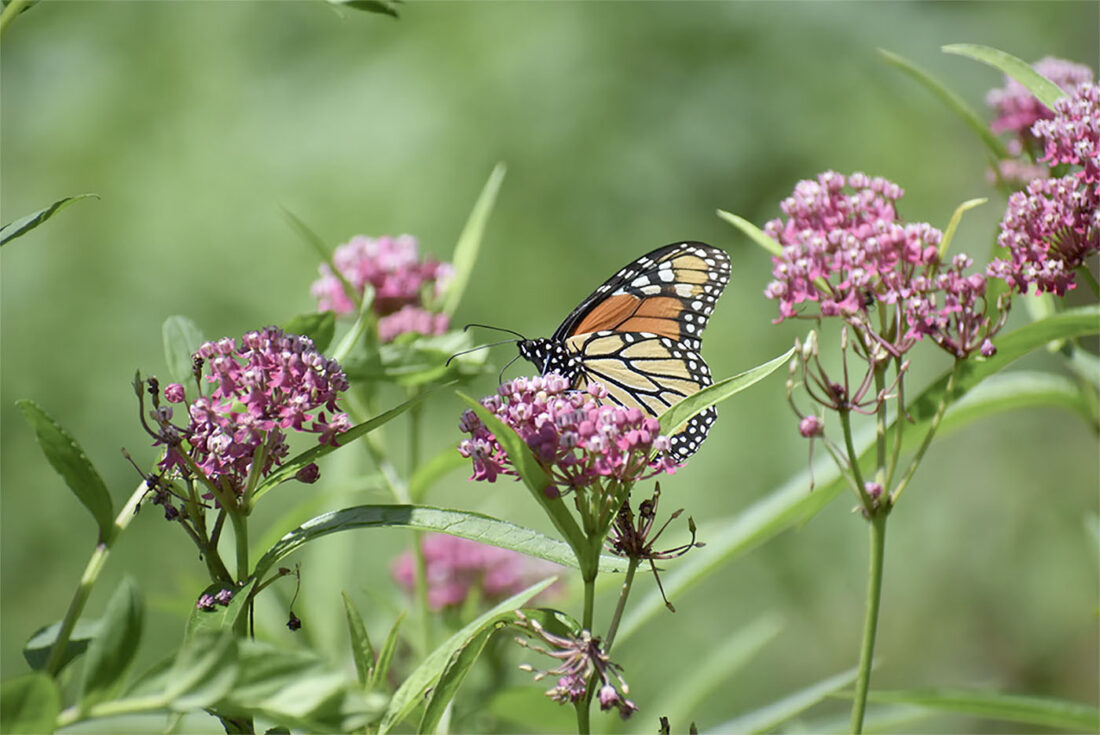
A monarch butterfly at the Mukwonago River Oak Barrens, which has 61 acres of rare habitat near Milwaukee. It was protected with the help of Knowles-Nelson Stewardship Program funds. (Photo courtesy of The Prairie Enthusiasts, via Wisconsin Public Radio)
The program is currently funded at about $33 million per year. Republicans introduced bills to reauthorize the decades-long program with less funding and more legislative oversight, but Democrats and conservation groups criticized the proposals. A Democratic proposal to more than double funding for the program didn’t advance.
The Nature Conservancy has protected more than 240,000 acres of land with the help of Stewardship funds. The group hopes reauthorization could be revisited as part of ongoing negotiations between GOP Assembly Speaker Robin Vos and Democratic Gov. Tony Evers over funding tax relief and special education, said Alex Madorsky, the group’s associate director of government relations.
“We are urging the governor and legislators to include funding for the Knowles-Nelson Stewardship Program in any package that might be passed in a special session of the Legislature,” Madorsky said.
Senate President Mary Felzkowski, R-Tomahawk, told WPR on “Wisconsin Today” on Monday that the Knowles-Nelson Stewardship Program is part of ongoing talks.
“We are still in negotiations with the governor and hoping that we can get a package together and have it on the floor in the next couple of weeks, and Knowles-Nelson will be a part of that,” Felzkowski said.
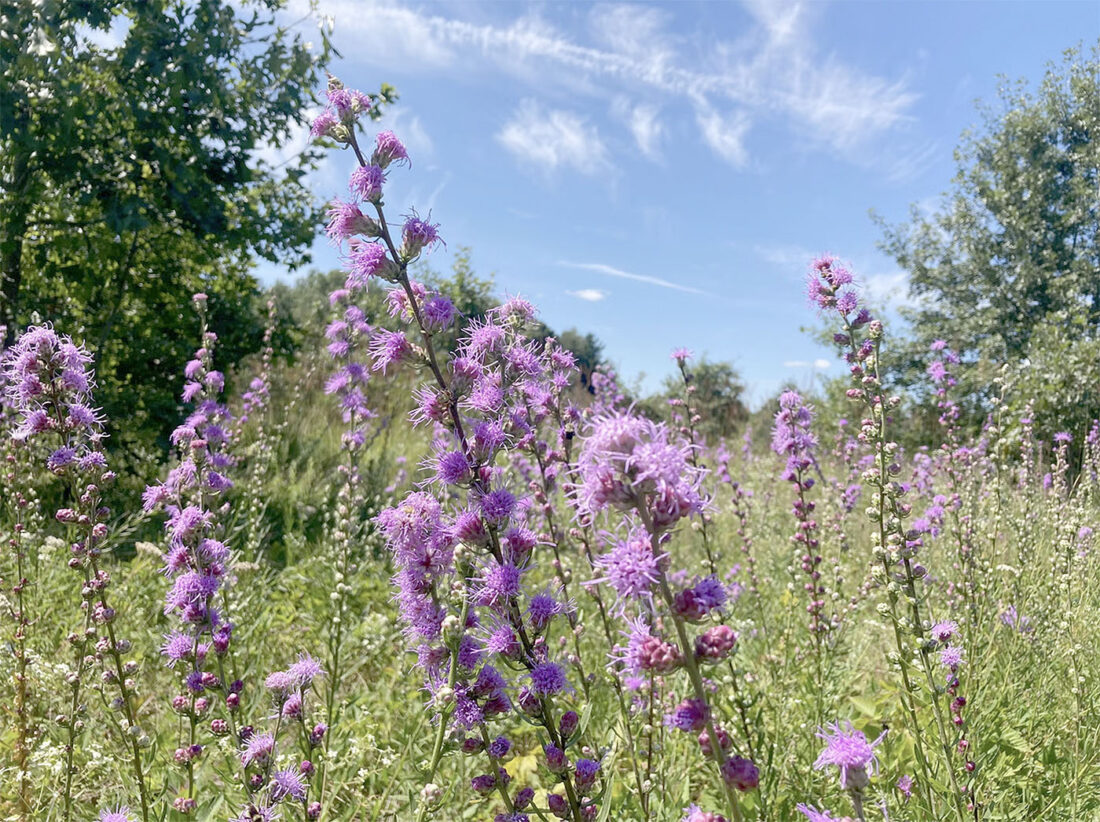
The Mukwonago River Oak Barrens near Milwaukee was protected by The Prairie Enthusiasts in July 2025 through the help of Knowles-Nelson Stewardship Program funding. The property includes 61 acres of rare habitat near Milwaukee. (Photo courtesy of The Prairie Enthusiasts, via Wisconsin Public Radio)
Felzkowski is among Republicans who have expressed concern over the program taking private lands off the tax rolls, particularly in northern Wisconsin. She said she’s not against purchasing public lands, but she wants to see acquisitions near urban areas.
State Sen. Jodi Habush Sinykin, D-Whitefish Bay, tried to extend the program for a year through an amendment on a separate bill March 17 but that effort failed. If a deal can’t be reached, she said the program’s future may hinge on whether Democrats can gain the majority in the Legislature in November’s elections.
In his last budget proposal, Evers proposed reauthorizing the program at $1 billion over the next decade, but that was stripped by Republican lawmakers. Evers spokesperson Britt Cudaback said Evers is optimistic Republicans and Democrats can still reach a deal to keep the program going.
But some of the program’s supporters aren’t as hopeful.
“For the Legislature to come together and try to get it done in one extraordinary session, it would be a miracle,” said Cody Kamrowski, executive director of the Wisconsin Wildlife Federation.
First created in 1989, the Stewardship program provides funding to purchase public lands for conservation. It also provides grants for local parks, boat ramp facilities, county forests, friends groups and snowmobile and ATV trails.
The program has protected about 750,000 acres in Wisconsin. A statewide poll commissioned by the Nature Conservancy found 93% of 516 voters support public funding for land conservation.
Jessica Bizub, acting executive director with The Prairie Enthusiasts, fears ecosystems may degrade as the nonprofit will likely slow the pace of protection projects and focus more on fundraising.
About 42% of Groundswell Conservancy’s projects have been funded through Stewardship dollars since 1983, said Tony Abate, the group’s senior director of conservation. He said the gap in state funding comes as Baby Boomer landowners are deciding the future of their properties.
“The opportunities are now in this great transfer of wealth,” Abate said. “If we’re not prepared to strike, we may lose out on those forever.”
The Wisconsin Council of Trout Unlimited said hundreds of miles of conservation easements have been acquired through Stewardship funds. Mike Kuhr, the group’s advocacy chair, said it’s exploring purchasing easements, but funds are limited.
“When those folks come back after the elections and get back to work in January, we’re going to be knocking on doors and talking about Stewardship for sure,” Kuhr said. “This program needs to get funded.”
Local News

DDA seeks vendors, support for IM Farmers & Artisans Market
Michigan Natural Resources Trust Fund marks 50 years

Culvert replacements planned on Hwy 180 in Marinette County
Push on in Michigan for bird habitat protection, expansion
Wisconsin public lands program likely to expire without action