
Looking back on the Calumet Mine in Felch Township
Remember when?
-
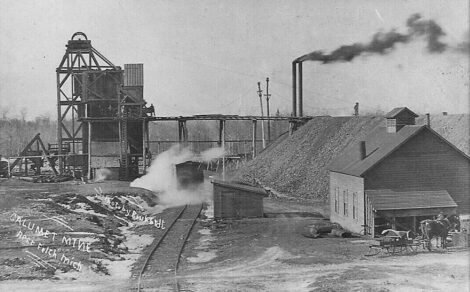
- This unused photo postcard view, which is identified as “Calumet Mine, near Felch, Mich.” dating about 1910, was taken by Ernest Robert Brukardt, an amateur photographer who worked as a railroad station agent in Felch. Shown is Shaft No. 1 of the Calumet Mine, with the trestle, stockpiles, railroad tracks, boiler house with two smokestacks and a mining building. At lower right is a team of horses pulling a sleigh. (Photo provided by the Menominee Range Historical Museum of Iron Mountain)
-
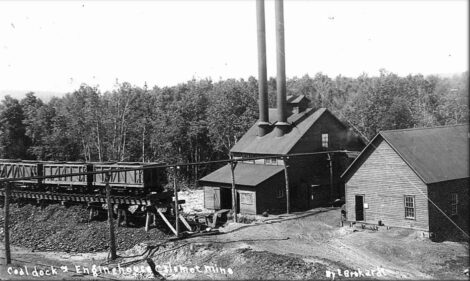
- Postmarked Felch, Michigan, May 29, 1912, this photo postcard, identified as “Coal Dock & Engine House, Calumet Mine,” was taken by Ernest Robert Brukardt, amateur photographer who worked as a railroad station agent in Felch. (Photo provided by the Menominee Range Historical Museum of Iron Mountain)
-
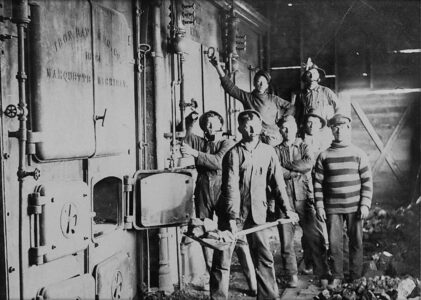
- Unidentified crew members stoking the boilers at the Calumet Mine. The photograph was probably taken after the Verona Mining Company reopened the Calumet Mine in late 1905 or early 1906. The miner in the back, at the right, with a pipe in his mouth is wearing an oilskin mining hat with his miner’s candlestick attached. (Photo provided by the Menominee Range Historical Museum of Iron Mountain)
-
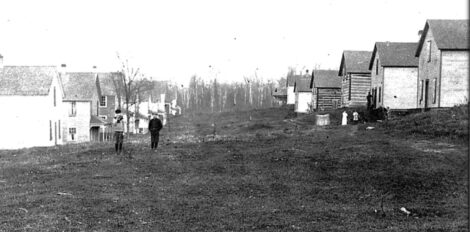
- Calumet Mine, Felch Mountain Range near Felch, Dickinson County, Michigan, ca. 1910-1913: Shortly after the Calumet Mine was reopened by the Verona Mining Company in late 1905 or early 1906, 25 houses were built at the mine location to house the miners. In early April 1910, the Iron Mountain Press announced the Calumet Mine had been closed due to the poor quality of ore being mined there. Between 50 and 100 men were thrown out of employment, many having recently moved to the Calumet Mine site, shown here before 1913. The two boys at the left are John Peterson and Helmer Edberg. The woman wearing white in the background at the right was the school teacher. The children near her were members of the Edberg family. More houses extended to both the right and the left of those pictured here. (Beatrice Blomquist photo provided by the Menominee Range Historical Museum of Iron Mountain)
-
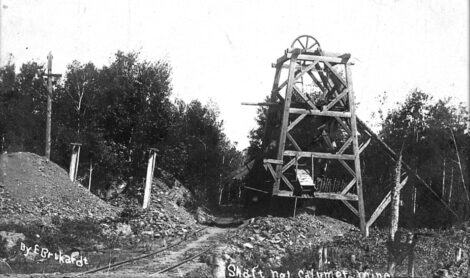
- A 1910 close up view of the Calumet Mine Shaft No. 1. This photo postcard is postmarked Felch, Michigan, July 15, 1910, and was also taken by Ernest Robert Brukardt. (Photo provided by the Menominee Range Historical Museum of Iron Mountain)
-
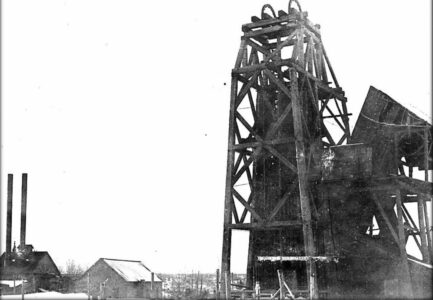
- A view looking north from atop one of the slag piles that was taken from a spot in front of the mine office between 1910 and 1914. The building left of center was the machine shop, and a larger, three-stack boiler house was to the left of the two-stack boiler house visible. (Photo provided by the Menominee Range Historical Museum of Iron Mountain)
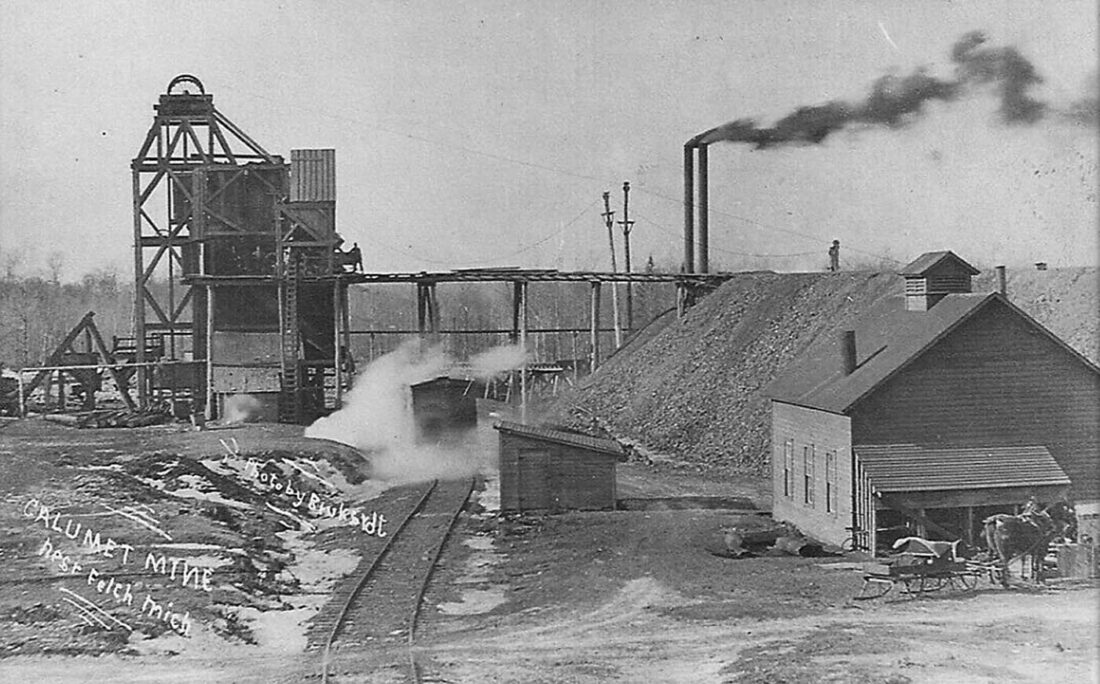
This unused photo postcard view, which is identified as “Calumet Mine, near Felch, Mich.” dating about 1910, was taken by Ernest Robert Brukardt, an amateur photographer who worked as a railroad station agent in Felch. Shown is Shaft No. 1 of the Calumet Mine, with the trestle, stockpiles, railroad tracks, boiler house with two smokestacks and a mining building. At lower right is a team of horses pulling a sleigh. (Photo provided by the Menominee Range Historical Museum of Iron Mountain)
This week’s “Remember when?,” provided by the Menominee Range Historical Museum of Iron Mountain, goes back to the operation of the Calumet Mine in Felch Township in Dickinson County.
The mine on the Felch Mountain Range was discovered in late 1880 or early 1881.
Records state that in 1882, four shafts were sunk and extensive diamond drilling took place. The Calumet Mine was said to be shallow, only 400 feet in depth.
The operation was initially run by the Calumet Iron Company of Cleveland, Ohio, which covered two 40-acre plots.
A.B. Cornell was president and John R. Wood superintendent. Both men were connected with the Cornell Mine at Lake Antoine, which closed when the Calumet opened and reopened when it closed. G.H. Cornell was secretary and Robert McCurdy treasurer.
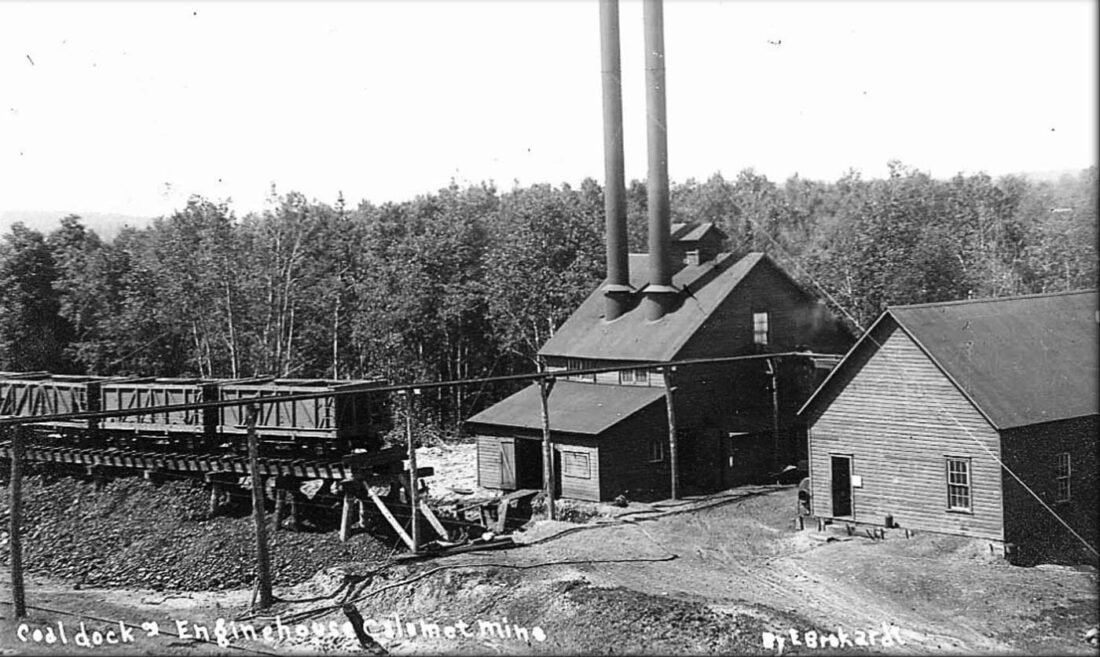
Postmarked Felch, Michigan, May 29, 1912, this photo postcard, identified as “Coal Dock & Engine House, Calumet Mine,” was taken by Ernest Robert Brukardt, amateur photographer who worked as a railroad station agent in Felch. (Photo provided by the Menominee Range Historical Museum of Iron Mountain)
The first year they were expected to ship 10,000 tons of ore but only managed 5,847, according to records.
The second year of operation was a good one, as they shipped 29,237 tons.
Production slowed in 1884, as it showed only 3,627 tons shipped. Indications were it had a small crew and not much capital; the opening of the Gogebic Range became a factor.
The years 1884 to 1886 were tough on the range as many mines collapsed.
The Calumet Iron Company disappeared from records until 1901, when a fatal accident in the Hecla shaft, which had touched the property of the Calumet Mine, brought them to the attention of the county mine inspector. The two men in the shaft had started a pump and laid down to rest while water was being pumped out and were overcome by gas. Their partners found them deceased a short time later.
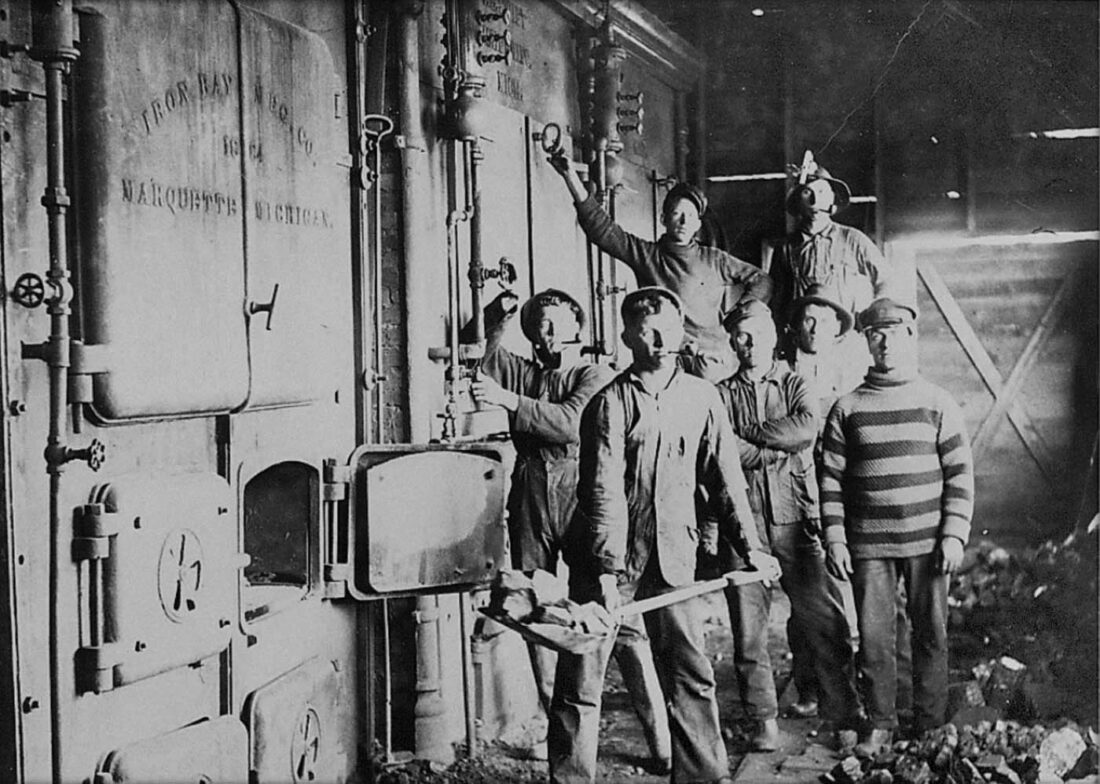
Unidentified crew members stoking the boilers at the Calumet Mine. The photograph was probably taken after the Verona Mining Company reopened the Calumet Mine in late 1905 or early 1906. The miner in the back, at the right, with a pipe in his mouth is wearing an oilskin mining hat with his miner’s candlestick attached. (Photo provided by the Menominee Range Historical Museum of Iron Mountain)
It was reopened in 1906 by the Verona Mining Company, a branch of Pickands, Mather & Company of Cleveland that served as sales agents.
At that time, 25 structures were built at the site to house the miners.
But in early April 1910, the Iron Mountain Press announced the Calumet Mine had been closed due to the poor quality of ore being mined there.
Although the mine was producing enough ore, the grade wasn’t to standards. It was known to have ocher in this mine, a natural clay that was worth more than the iron when sold. However only small quantities could be sold at a time.
About 50 to 100 men were thrown out of employment, many having recently moved to the Calumet Mine location.
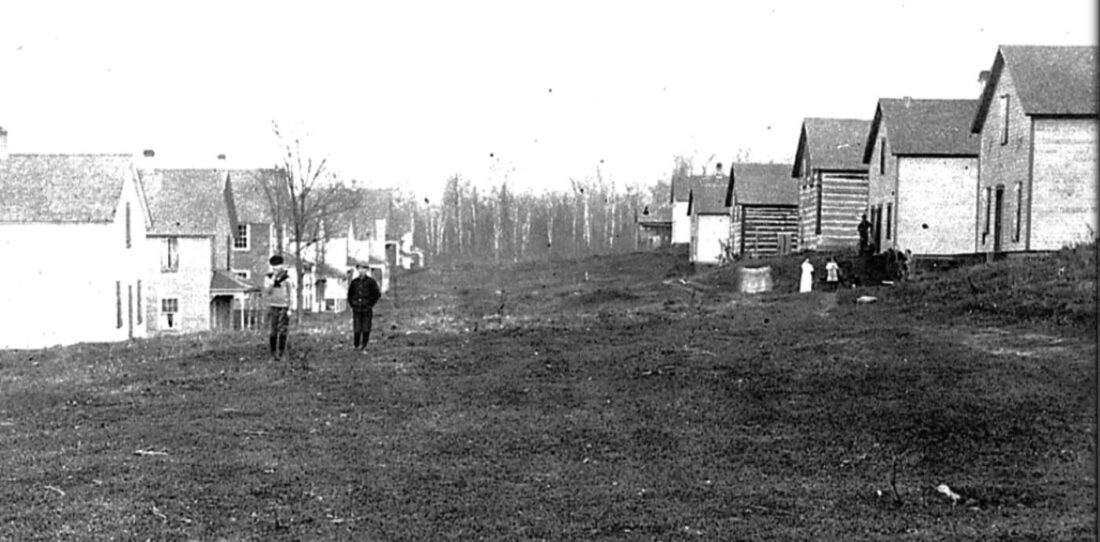
Calumet Mine, Felch Mountain Range near Felch, Dickinson County, Michigan, ca. 1910-1913: Shortly after the Calumet Mine was reopened by the Verona Mining Company in late 1905 or early 1906, 25 houses were built at the mine location to house the miners. In early April 1910, the Iron Mountain Press announced the Calumet Mine had been closed due to the poor quality of ore being mined there. Between 50 and 100 men were thrown out of employment, many having recently moved to the Calumet Mine site, shown here before 1913. The two boys at the left are John Peterson and Helmer Edberg. The woman wearing white in the background at the right was the school teacher. The children near her were members of the Edberg family. More houses extended to both the right and the left of those pictured here. (Beatrice Blomquist photo provided by the Menominee Range Historical Museum of Iron Mountain)
Records indicate, however, it was in operation during World War I.
In the mid-1920s, machinery was removed and transported to Caspian for use at the Baltic Mine, where Art Scott served as superintendent.
The Calumet Mine produced a total of 173,917 tons of ore during its years of operation.
———
“Remember when?” appears every Wednesday in The Daily News. Those with suggestions or historical photographs they would like to submit can email Terri Castelaz at tcastelaz@ironmountaindailynews.com.
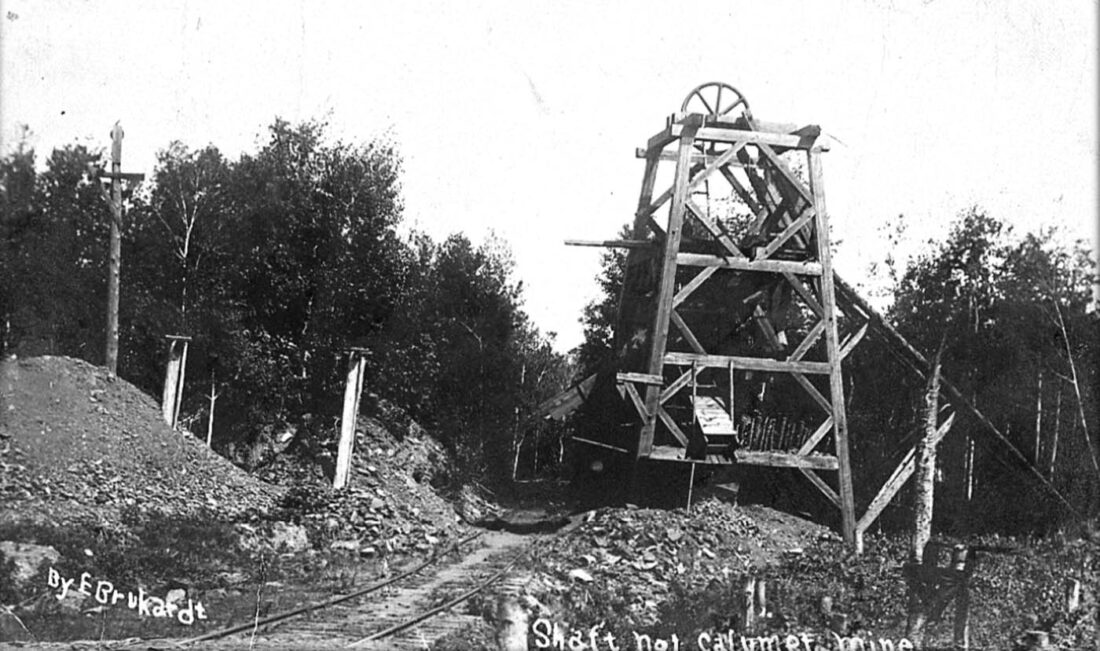
A 1910 close up view of the Calumet Mine Shaft No. 1. This photo postcard is postmarked Felch, Michigan, July 15, 1910, and was also taken by Ernest Robert Brukardt. (Photo provided by the Menominee Range Historical Museum of Iron Mountain)
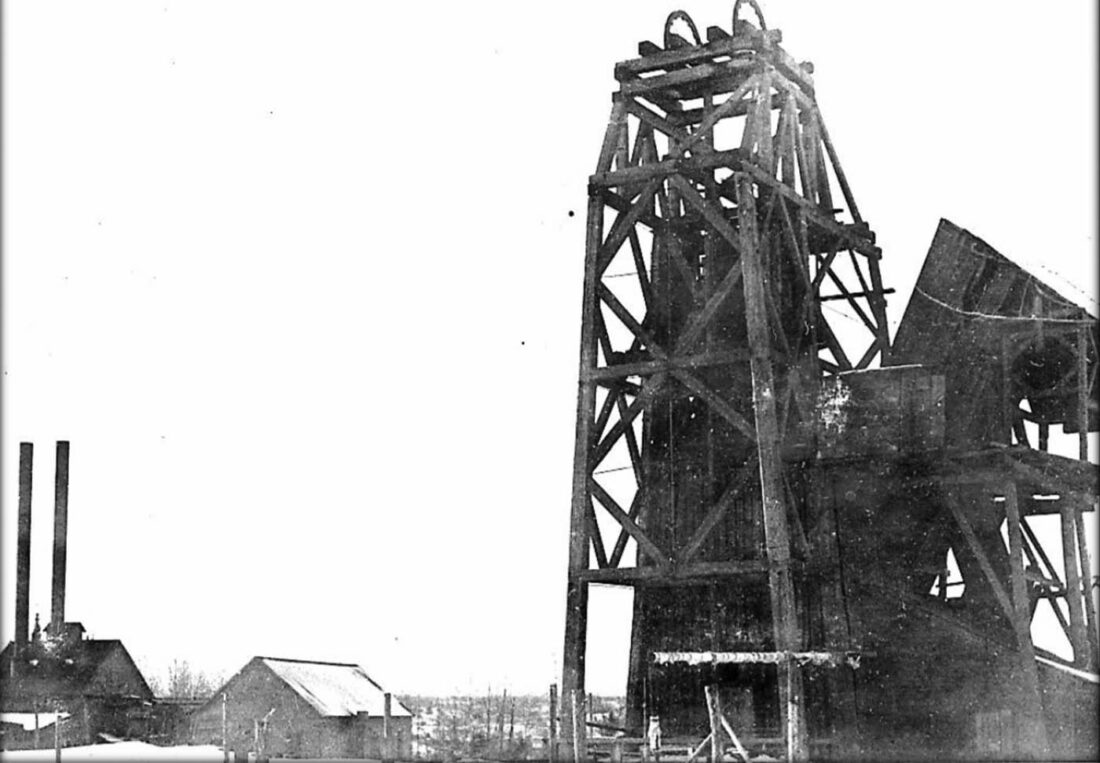
A view looking north from atop one of the slag piles that was taken from a spot in front of the mine office between 1910 and 1914. The building left of center was the machine shop, and a larger, three-stack boiler house was to the left of the two-stack boiler house visible. (Photo provided by the Menominee Range Historical Museum of Iron Mountain)
Local News
Local judicial race on ballot in Florence, Forest counties
Forest County's district attorney and a longtime Crandon attorney with past experience as both a DA and judge will ...
Looking back on the Calumet Mine in Felch Township
Winter storm watch to begin late tonight
A winter storm watch will be in effect from late tonight through Thursday afternoon in Dickinson and Menominee ...
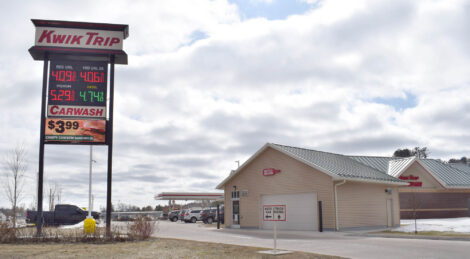
Gas prices eclipse $4 a gallon in US, the highest since 2022
Winter storm watch to begin late Wednesday
A winter storm watch will be in effect from late Wednesday night through Thursday afternoon in Dickinson and ...
Lunchtime Live special edition hints at spring
ESCANABA — Bay College has hosted Lunchtime Live, a midday music-and-food event that takes place weekly on campus ...