
Wisconsin eyes special bag limits to address walleye declines
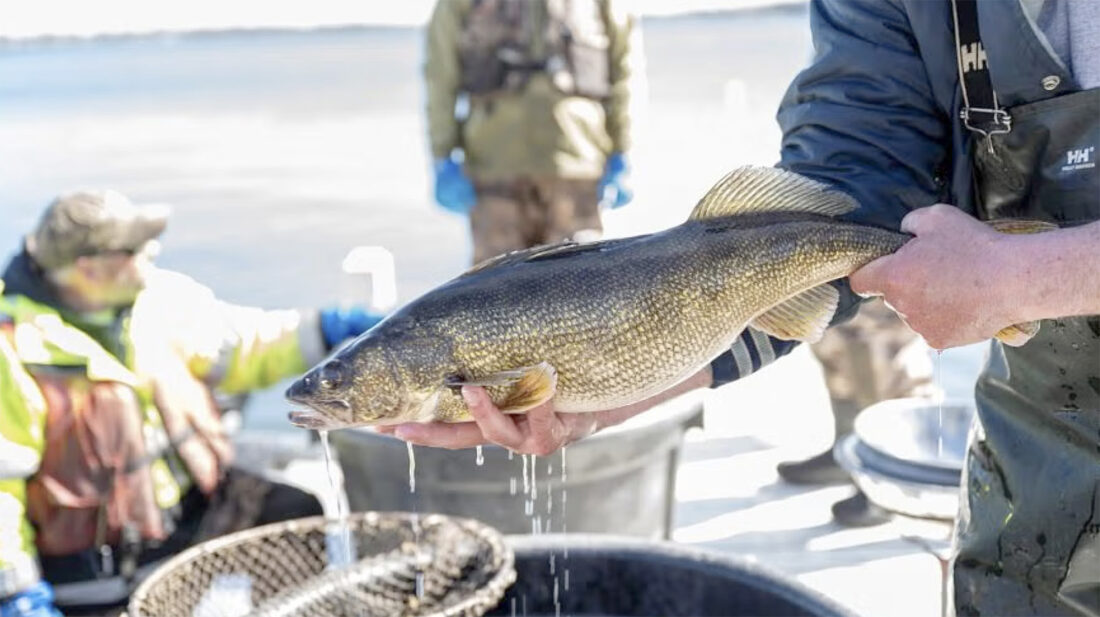
Fishing had a greater impact on most fish populations studied in Wisconsin and Minnesota. Researchers analyzed eight fish species, including walleye. (Photo courtesy of the Wisconsin Department of Natural Resources)
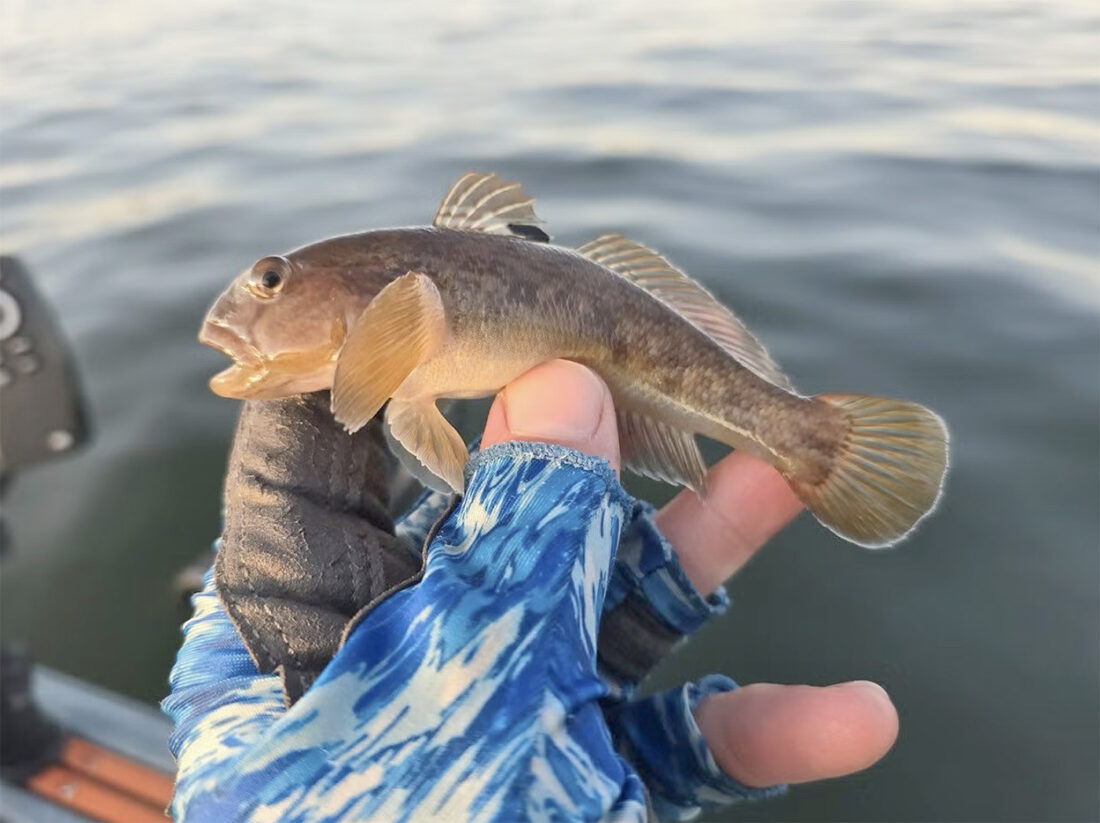
Round gobies are native to the Black and Caspian Seas between Europe and Asia. The invasive fish were first introduced to the United States through the ballast water of oceangoing ships. Anglers detected round gobies in Lake Winnebago last summer. (Paul Skawinski/University of Wisconsin-Stevens Point)
Fishing had a greater impact on most fish populations studied in Wisconsin and Minnesota. Researchers analyzed eight fish species, including walleye. (Photo courtesy of the Wisconsin Department of Natural Resources)
Round gobies are native to the Black and Caspian Seas between Europe and Asia. The invasive fish were first introduced to the United States through the ballast water of oceangoing ships. Anglers detected round gobies in Lake Winnebago last summer. (Paul Skawinski/University of Wisconsin-Stevens Point)
Trending
The Wisconsin Department of Natural Resources can now begin crafting regulations for special bag and size limits for walleye as populations are declining on some lakes.
The Natural Resources Board approved the scope of the proposed rule Wednesday.
Kari Lee-Zimmerman, the DNR's fisheries regulations and policy specialist, said the proposed regulation would apply to "walleye lakes of concern" where they're not seeing enough natural reproduction.
"Under very specific circumstances, biologists would like to apply a certain regulation to help in the rehabilitation of the walleye fishery," she said.
The DNR is proposing a one-fish-a-day bag limit for walleye on lakes where populations are struggling. The agency would require an 18-inch minimum length for fish caught. But it also would bar anglers from keeping fish between 22 and 28 inches, the fish most likely to increase spawning or natural reproduction.
Under the rule, the DNR could move more quickly to apply those limits on lakes where most surveys over the past five years have detected fewer than 15 juvenile fish per mile.
The DNR has previously enacted such limits on the Minocqua Chain of Lakes, as well as four other lakes in Oneida and Vilas counties.
The decline of walleye populations on northern Wisconsin lakes is a big concern, said Mark Luehring, inland fisheries section leader with the Great Lakes Indian Fish and Wildlife Commission. The intertribal agency is backing the proposed rule.
"What we found in the last few years is that the current processes have not been adequate to reverse these declines or even slow it," Luehring said. "We keep adding more and more lakes each year that used to be good naturally reproducing walleye lakes and now are declining."
Those declines have been observed across the state, especially since 2000. When asked what share of lakes would be affected, Luehring didn't provide figures but said it's more than they would like to see. There are more than 900 walleye lakes in ceded territory, which encompasses the northern third of Wisconsin.
Walleye, or ogaa in the Ojibwe language, are culturally significant to northern Wisconsin tribes. The fish is one of the first foods used by tribal members in ceremonies.
Earlier this month, a federal judge temporarily barred the Lac du Flambeau Band of Lake Superior Chippewa from restricting walleye and musky fishing on nearly 20 lakes within its reservation. The tribe had sought to restrict fishing by anyone except tribal members, citing "critically low" populations.
Luehring said the state's current rulemaking process, which takes about two years, doesn't provide enough flexibility for DNR biologists to quickly respond to declining populations. He said the proposed rule would help speed up response on lakes, development of joint rehabilitation plans with tribes and prevent further declines in lakes where walleye are struggling.
Research has shown that warming waters due to climate change may lead to fewer walleye surviving to adulthood on most Wisconsin lakes by mid-century. However, a study last year found that fishing has a greater impact than warming, indicating that limited harvest may help stave off population declines.
Sport fishing generates more than $2 billion annually in economic activity for Wisconsin.
Limits lifted for round gobies
The board also signed off on an emergency rule to change possession limits for invasive round gobies in the hope of keeping them from becoming established in Lake Winnebago.
Round gobies were first discovered in Lake Winnebago last June. Since then, around 60 invasive fish have been caught through follow-up monitoring around the Bowen Street Fishing Pier and Fox River in Oshkosh. Lee-Zimmerman said current regulations only allow anglers to keep one fish.
"The current regulations were intended to not allow people to transport gobies, but the unintended consequences is if you catch more than one, you would technically have to throw it back," she said. "We don't really want them in Lake Winnebago where they're not established."
The emergency rule allows anglers to keep as many round gobies as they would like -- but they must kill the fish they keep.
Round gobies are native to the Black and Caspian Seas between Europe and Asia, and it's believed they were first introduced to the United States through the ballast water of oceangoing ships in 1990. They have since spread to the Great Lakes and the lower Fox River.
The invasive fish is about 3 to 5 inches long, with bulging frog-like eyes and a fused fin on their bottom side that looks like a suction cup. The bottom-dwelling invader threatens to displace smaller fish that are food for bigger fish. They've also been known to gobble up eggs of walleye and bass.
Once established, they can take over as they spawn up to six times in a single season, according to Angelo Cozzola, a DNR fisheries biologist. They were first detected in Little Lake Butte de Morts in 2015, but they hadn't been previously seen above the Neenah and Menasha dams.
The Lake Winnebago System is a significant resource that makes up around 17% of Wisconsin's surface water. Recreational fishing there was estimated to contribute $234 million to the local economy in a 2006 survey by the University of Wisconsin-Extension.
The DNR said anglers are considered an important part of tracking and controlling the round goby invasion into Lake Winnebago.
The DNR plans to have a public hearing in June and follow up with a permanent rule this fall.