
Remember when?
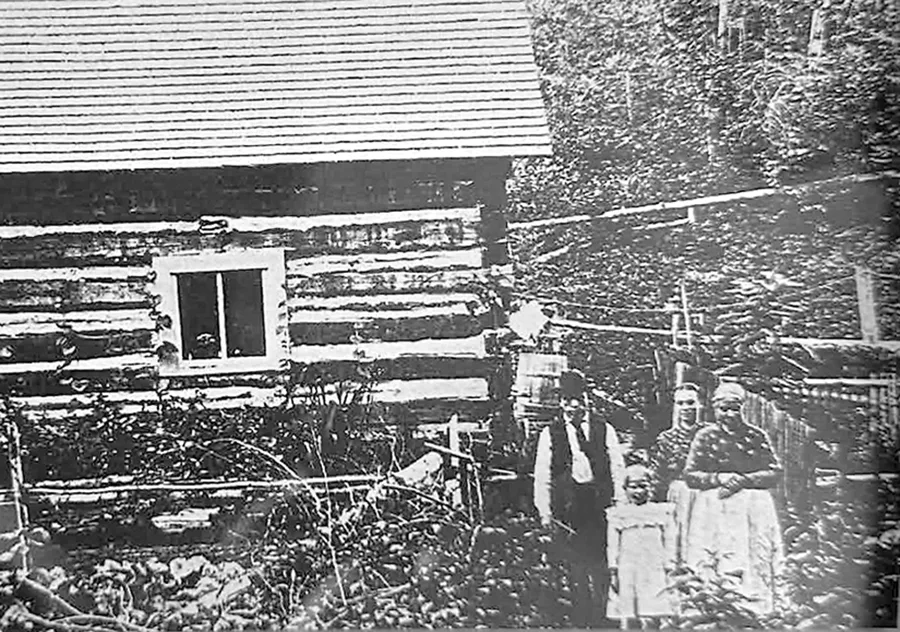
Patrick Wagner, who relocated to Niagara in 1894, is shown with his wife and two daughters outside their log home. He came to work for John Stoveken Sr. (Niagara Area Historical Museum photo)
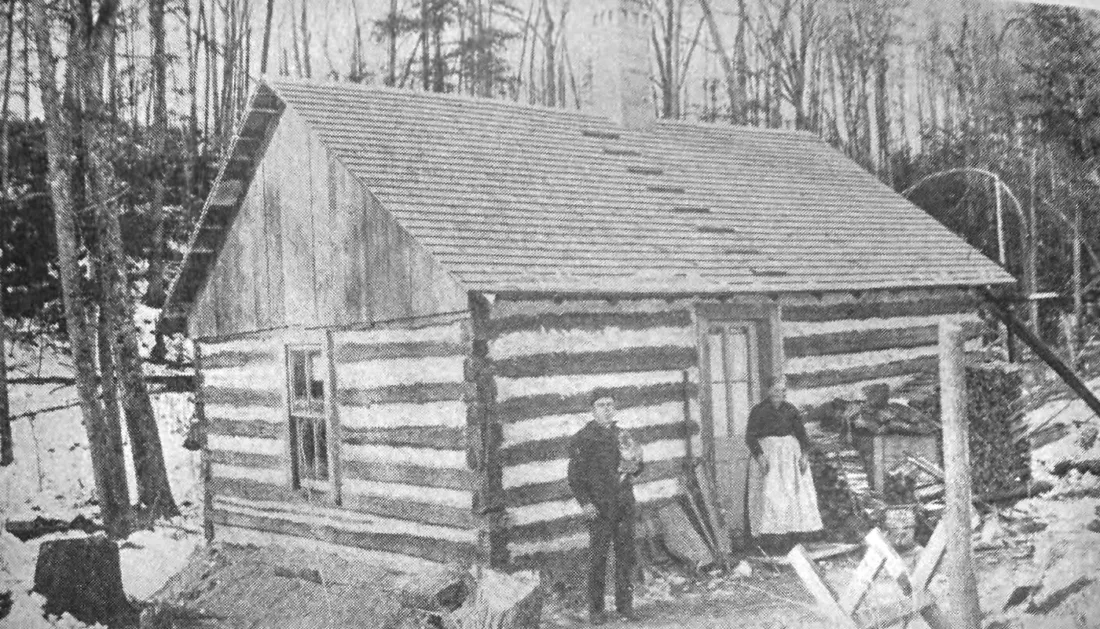
An early view of Niagara, Wis., settler Patrick Wagner holding his dog with his mother outside his log resident that was the second one built behind the mill. (Niagara Area Historical Museum photo)
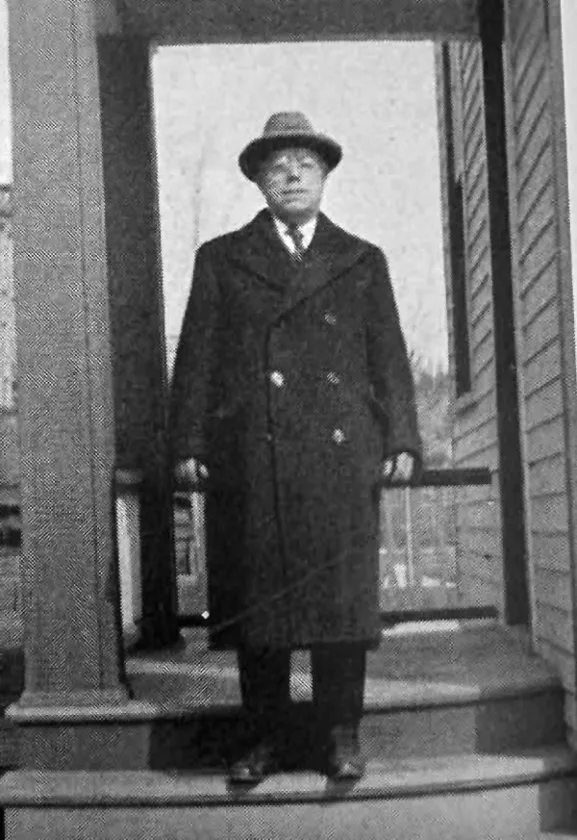
Patrick Wagner is shown on the steps in 1936 after he retired from working in the mill for 38 years. (Niagara Area Historical Museum photo)
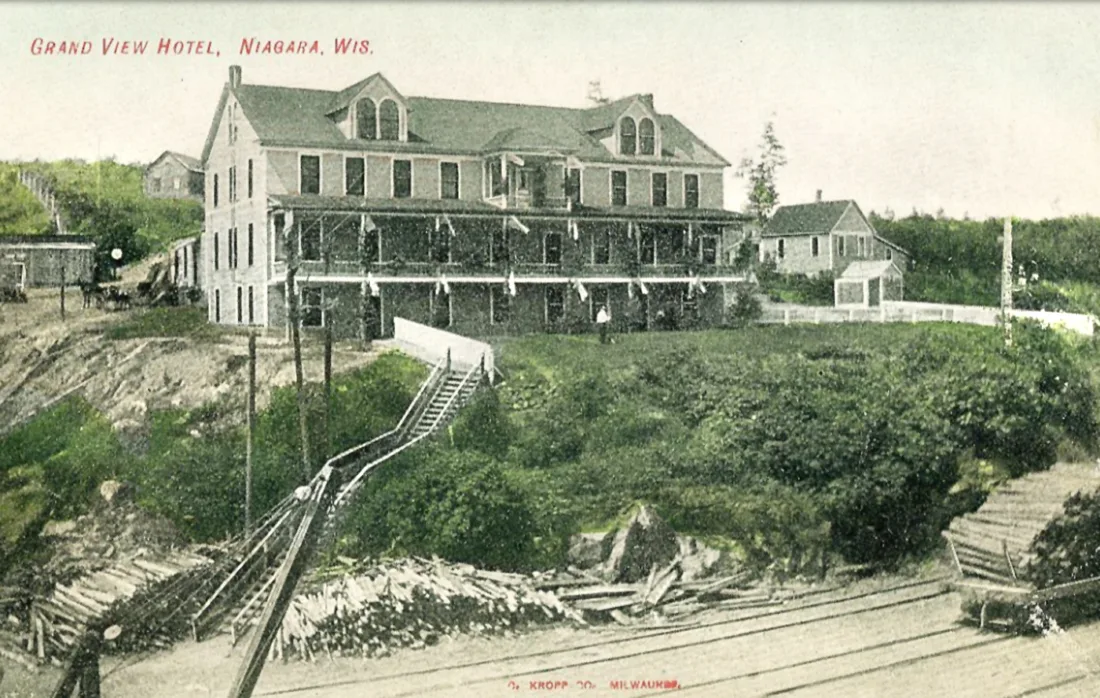
This unused, tinted postcard is a 1908-1910 view of the Grand View Hotel in Niagara, Wis. (Niagara Area Historical Museum photo)
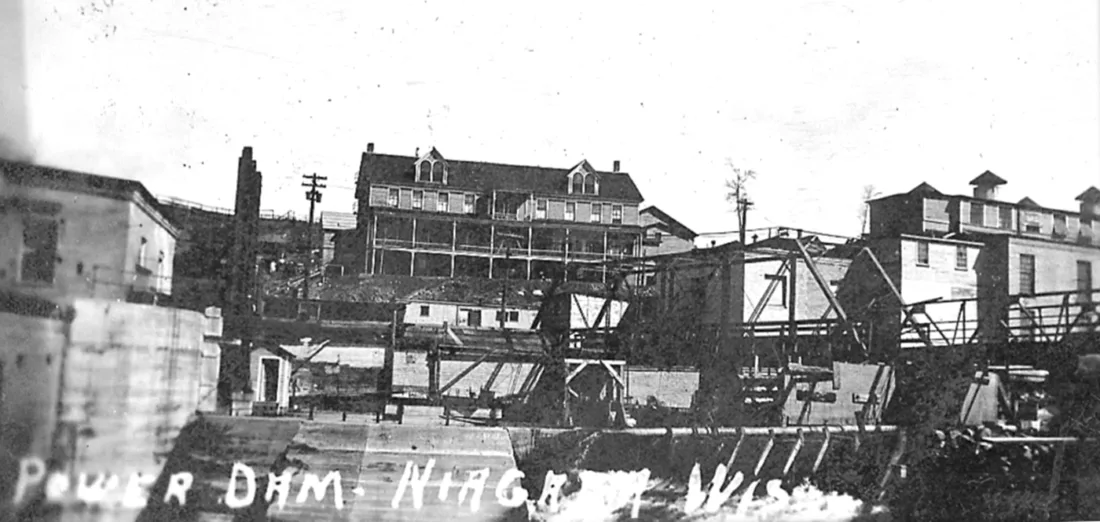
Identified as the “Power Dam, Niagara, Wis.” and postmarked Niagara, Wis., Sept. 21, 1922, this postcard shows the power dam with the walkway constructed of iron railing, some of the paper mill buildings at the left and right and the Grand View Hotel. (Niagara Area Historical Museum photo)
Patrick Wagner, who relocated to Niagara in 1894, is shown with his wife and two daughters outside their log home. He came to work for John Stoveken Sr. (Niagara Area Historical Museum photo)
An early view of Niagara, Wis., settler Patrick Wagner holding his dog with his mother outside his log resident that was the second one built behind the mill. (Niagara Area Historical Museum photo)
Patrick Wagner is shown on the steps in 1936 after he retired from working in the mill for 38 years. (Niagara Area Historical Museum photo)
This unused, tinted postcard is a 1908-1910 view of the Grand View Hotel in Niagara, Wis. (Niagara Area Historical Museum photo)
Identified as the “Power Dam, Niagara, Wis.” and postmarked Niagara, Wis., Sept. 21, 1922, this postcard shows the power dam with the walkway constructed of iron railing, some of the paper mill buildings at the left and right and the Grand View Hotel. (Niagara Area Historical Museum photo)
Trending
NIAGARA, Wis. -- This week's "Remember When?" -- provided by the Niagara Area Historical Museum -- continues the "Life Behind the Mill" series, looking back at the families who made their homes along the Menominee River in the early days of Niagara.
While John Stoveken Sr. had established the pulp mill and sawmill in 1889, there was still a community to build around the growing operation. The first workers arriving in the wilderness needed somewhere to live, and he provided one of the first answers -- the Grand View Hotel overlooking the Quinnesec Falls. The businessman had already established a blacksmith shop, general store and post office, which was operated by John Stoveken Jr., who served as a foreman at his father's mill, said Niagara Area Historical Museum Historian Rick Wagner.
The mill operation was sold to the Badger Paper Company in 1892, where Stoveken was also an employee. At that time, the Badger Paper Company was primarily owned by John Stoveken Sr.'s brother, Henry Frambach, and Joseph Vilas.
After acquiring the Niagara pulp mill, the company expanded its operation to manufacture finished paper in addition to groundwood pulp. As the mill grew, so did the community behind it, bringing more workers and their families to the area.
Among the earliest Niagara settlers was Tom Pine, later known as Tom LaPine. Originally from Canada, he and his wife, Mary Louise Neveau, came to the area in 1893 and worked for the O'Callaghan Lumber Mill until that fall, when he moved his family to Niagara.
According to a Niagara Historical Society publication, John Stoveken Jr. family was the only other residence in Quinnesec Falls location.
LaPine built what is believed to have been the first two-story log residence in the community, although it wasn't "behind the mill." His cabin stood near the area that was later behind the old telephone company.
Wagner explained that Stoveken most likely sought out LaPine for his expertise in constructing the first dam at the falls, a wooden log dam. "He was skilled at preparing and fitting logs for construction," said Wagner. "I think that is how he came to Niagara."
Wagner also assumed that LaPine probably stayed in the Grand View Hotel during construction of his residence.
Around 1902, the house became Paul Scholz and Louis DeCremer's butcher shop, he added. The shop was moved to the site of the Housing for the Elderly and converted to a jail. It later was moved again to Roosevelt Road.
Families gradually moved into the homes lining the Menominee River, creating the neighborhood that became known as "Behind the Mill."
Wagner's grandfather, Patrick Wagner, was among those early pioneers.
"He was the second house built -- a log cabin behind the mill near the railroad bridge above the dam," Wagner said. "He also stayed in the Grand View when they built the log cabin."
Patrick Wagner was born in Germany and immigrated to the U.S., previously living in Milwaukee and Sheboygan before eventually moving to Niagara in 1894.
At that time, he worked as a blacksmith. "Stoveken was in need of his services for his shop -- that's probably what drew him to Niagara," Rick Wagner said.
"He worked for Stoveken's sawmill and pulp mill and continued through the change of ownership," he added.
Patrick Wagner ultimately worked for the mill for 38 years, retiring in 1936.
His involvement in the community extended beyond the mill. He served for many years on the village board and was an original trustee of St. Anthony Catholic Church from 1902 to 1917. "He was instrumental in forming the St. Anthony Catholic Church," Rick Wagner said.
Wagner Road, which once ran from the cemetery to the area behind the mill, was named in his honor.
"I didn't realize they were among Niagara's early pioneers," Rick Wagner said.
He wishes he had the opportunity to hear more of their stories firsthand, as two of his uncles were born Behind the Mill.
"My oldest uncle, who was born in 1899, would light the lanterns along the wooden boardwalks," Rick Wagner said. "They could have told me the whole timeline of everything."
This is the second part in the "Life Behind the Mill" series with the Niagara Area Historical Society.
------
"Remember when?" appears every Wednesday in The Daily News. Those with suggestions or historical photographs they would like to submit can call Terri Castelaz at 906-774-2772, ext. 85241, or email to tcastelaz@ironmountaindailynews.com.