
Severe dry conditions expected to worsen in northern Wisconsin
Trending
A few northern Wisconsin counties are experiencing "severe drought" conditions, and it is only expected to get worse.
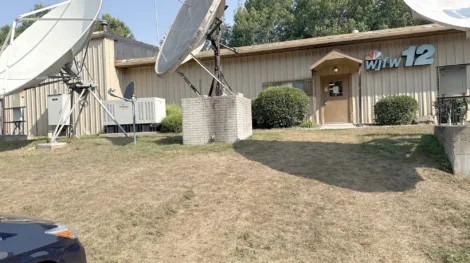
"I'm pretty concerned about the Northwoods," Devin Biggs, morning meteorologist at Newswatch 12 in Rhinelander, told WPR's "Wisconsin Today."
"There isn't anything (rain) widespread expected anytime soon."
Even after some rain in parts of the state this weekend, there are ongoing concerns about dry conditions. According to the latest drought monitor report, Ashland, Iron, Vilas, Price and Oneida counties are the driest. The rest of the state is experiencing moderate drought.
Severe drought conditions can cause crop yields to decline, stunt pasture growth and require increased water usage and groundwater pumping.
Biggs, who is based in Oneida County, talked with "Wisconsin Today" about these drought conditions.
This interview was edited for brevity and clarity.
WPR's Rob Ferrett: How dry is it in northern Wisconsin?
Devin Biggs: The worst of the drought has been here in Oneida County, Price County, Ashland County, Iron County, Vilas County and even up into the Upper Peninsula, too. I'm seeing grass getting rather crunchy and even seeing some dust flying through the air.
I'm concerned about fire danger, too. The Department of Natural Resources "WisBurn" fire monitoring maps has the risk at moderate level, for now. But still, I'm a little concerned that the threat could possibly get elevated as we move through the week if we don't get some rain.
RF: A lot of Wisconsin got some rain over the weekend, but your area missed that relief.
DB: Yes, you are correct. And when checking the upcoming forecast for Tuesday, southern Wisconsin does have more rain expected. Up here, it's not looking very promising, which is not great because we need the rain. And Wisconsin's a very diverse state with lots of forests up here and farms.
RF: What's driving this stretch of dry weather?
DB: We've had some bad luck lately. We've had a shift in the jet stream, where these large domes of high pressure have been pushing the jet stream north and we've had these extreme weather patterns, too.
The climate has been changing as of late, too, where it's been driving some of this extreme weather. We have an El Niño that's stronger than normal. Usually that kicks in more in the winter. And we've already started to see more of the warmer waters kick in (in) the Pacific.
RF: You mentioned the concern about fire. We've got big fires in Spokane, Washington. And the Boundary Waters have fires just across the border in Minnesota. Do you have concerns that if these dry conditions continue we could see something similar?
DB: I don't think we'll see it that bad. During my almost eight years in Wisconsin, I know we've had big fires, but not to the extent of what Minnesota and Canada are experiencing. At least up in the Northwoods, we have a lot of wetlands, too. It seems most fires don't get that out of control.
But knock on wood, we hope it stays that way.