
Remember when?
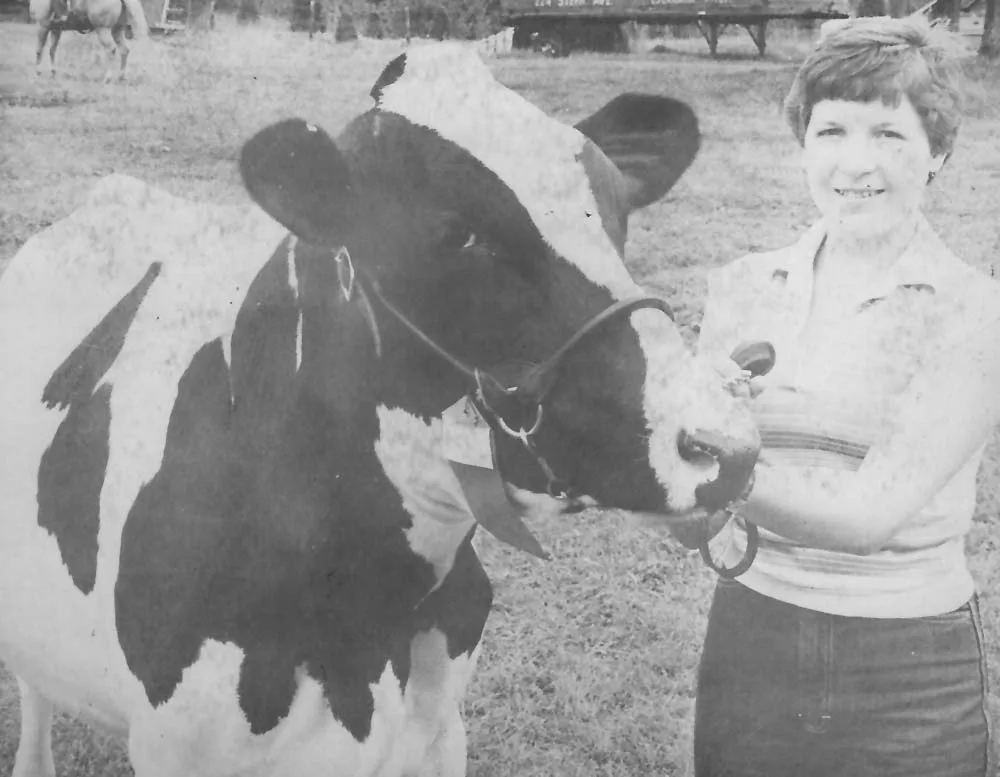
The Dickinson County Fair in Norway has provided a century of memories for area residents. In this early 1980s photograph, Mary Pellegrini shows a Holstein for Brian Pellegrini. (Daily News file photos)
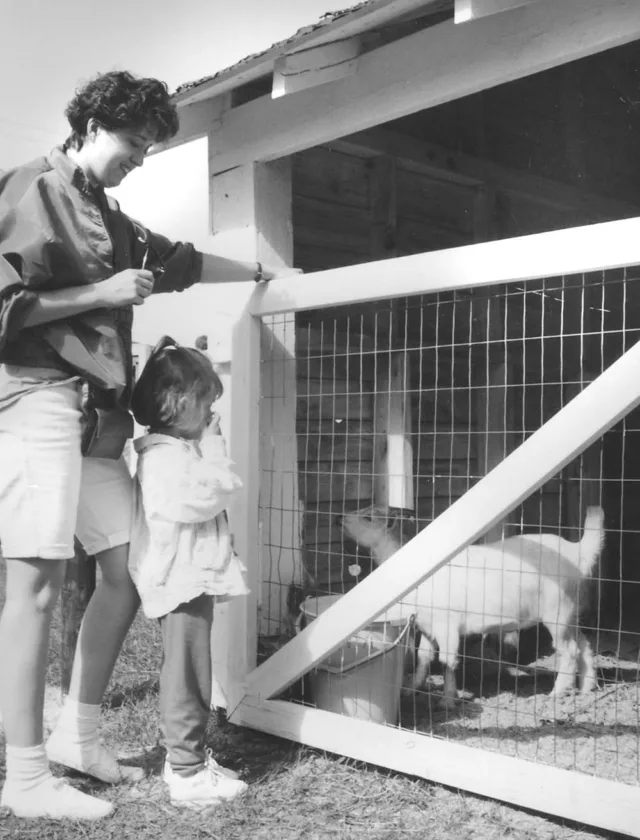
An unidentified young Dickinson County Fair visitor with her mother admires a goat at the Dickinson County Fair in the late 1980s.
The Dickinson County Fair in Norway has provided a century of memories for area residents. In this early 1980s photograph, Mary Pellegrini shows a Holstein for Brian Pellegrini. (Daily News file photos)
An unidentified young Dickinson County Fair visitor with her mother admires a goat at the Dickinson County Fair in the late 1980s.
Trending
This week's "Remember when?" looks back at what the Dickinson County Fair in Norway has meant to generations of area families.
The fair has meant more than carnival rides, livestock and grandstand entertainment -- it's has been a place to gather, compete, visit with friends and family, and make lasting memories.
For more than a century, the event has remained a Labor Day weekend tradition in Norway, changing with the times while holding on to the agricultural and community roots that started it all.
The story began in 1905, when a group of local farmers organized the Menominee Range Agricultural Society and set out to establish a county fair. The first fairs took place in downtown Norway and quickly attracted people from throughout the region.
Five years later, in 1910, the fair found its permanent home at the fairgrounds on Highway 8.
Much of the early work was done by community volunteers who cleared the land and helped construct the buildings and facilities needed to host the growing event.
Those early fairs offered something for everyone. By the 1920s, visitors could watch horse races and livestock competitions, take in motorcycle races and enjoy fireworks.
Through the years, the fair faced its share of challenges. Wars, rationing, epidemics and economic hardships could have brought the annual celebration to an end, but the fair continued.
In 1941, the Skerbeck Carnival became part of the event, eventually becoming a familiar and popular part of fair week.
Improvements to the fairgrounds, including projects associated with the Works Progress Administration, helped modernize the facilities. At the same time, 4-H activities and competitions became increasingly important, giving young people an opportunity to showcase their skills and accomplishments.
As the years went by, the Dickinson County Fair grew into an event that offered much more than agricultural competitions. The grandstand became a major attraction, bringing nationally known performers to Norway. Among the entertainers were Brenda Lee, Charley Pride, Neal McCoy and BlackHawk.
Motorsports and other attractions also became crowd favorites. Demolition derbies, tractor pulls and monster trucks added excitement, while antique exhibits provided a glimpse into the region's past.
By the 1980s, the fair was attracting more than 60,000 people. They saw improvements to parking and expanded camping made it easier for out of town guests.
The livestock barns and exhibits remained at the heart of the celebration. For many young people, showing an animal or entering a project became a tradition passed down from parents and grandparents.
While the attractions have changed over the decades, one thing has remained constant -- the tradition of bringing the community together.
Today, the fair continues to offer something for everyone, while ongoing upgrades and improvements help keep the grounds and the event fresh for each new generation of fairgoers.