
Wisconsin DNR updates hunters on deer diseases as EHD reports grow
Budget woes mean fewer dumpsters for carcasses
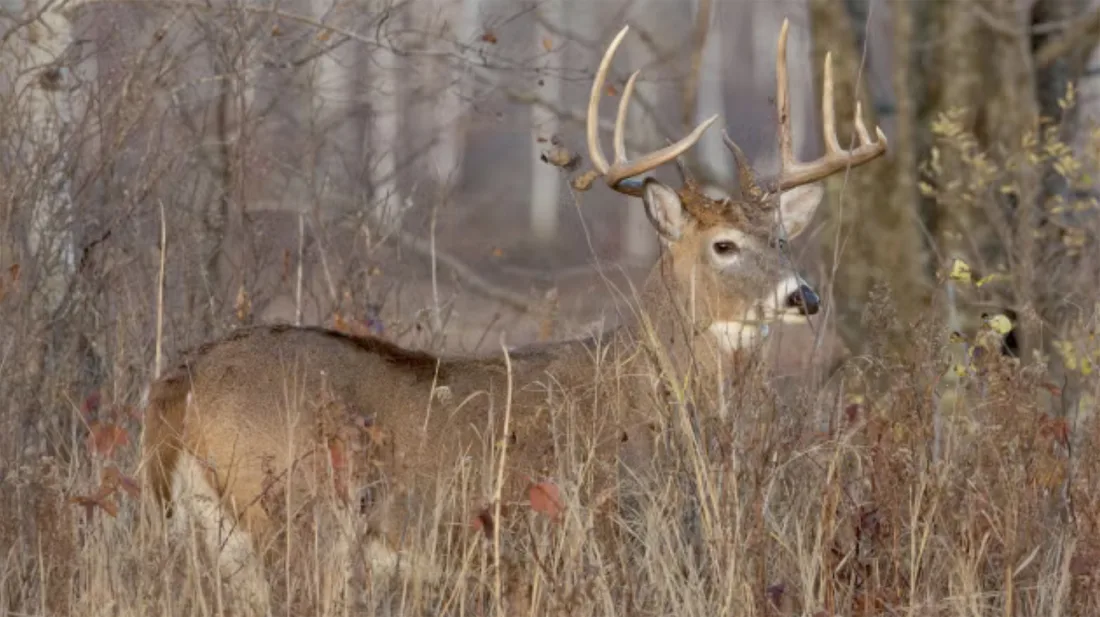
A white-tailed deer buck. (Wisconsin Department of Natural Resources photo)
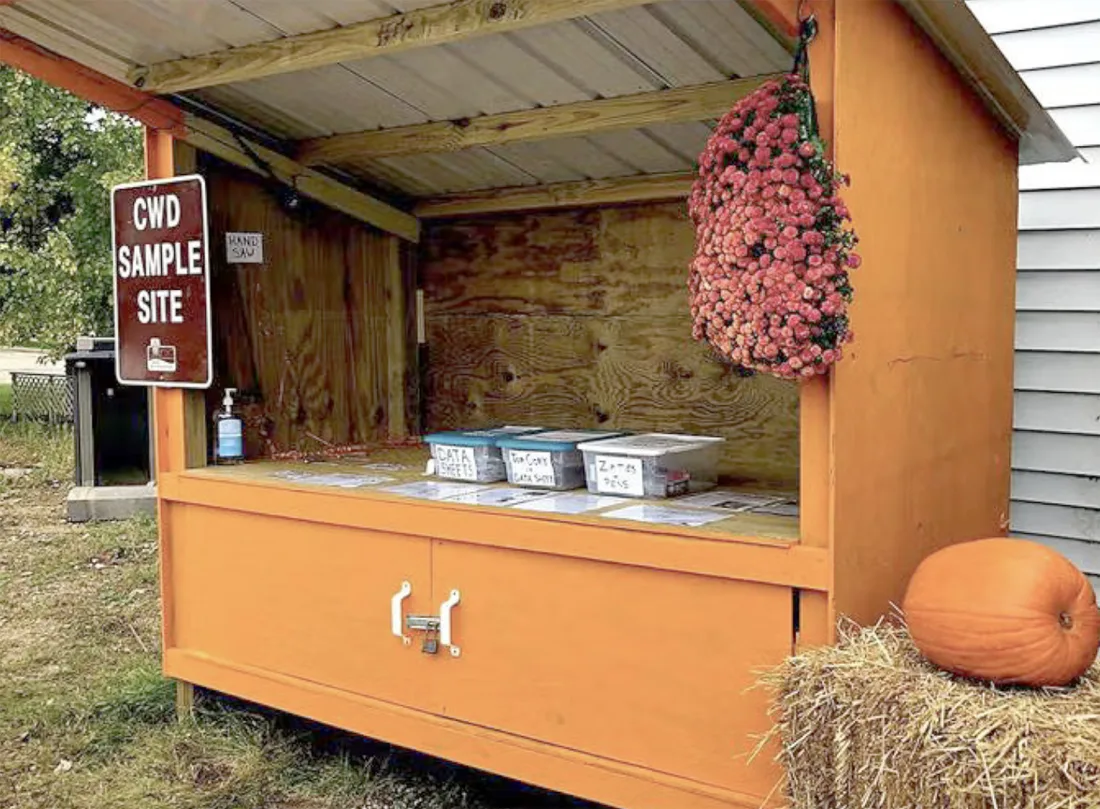
Organizations and businesses have sponsored kiosks so hunters can drop off deer heads for chronic wasting disease, or CWD, sampling. (Wisconsin Department of Natural Resources photo)
A white-tailed deer buck. (Wisconsin Department of Natural Resources photo)
Organizations and businesses have sponsored kiosks so hunters can drop off deer heads for chronic wasting disease, or CWD, sampling. (Wisconsin Department of Natural Resources photo)
Trending
Wisconsin wildlife regulators say they've received more than 1,600 reports of dead deer in southeastern Wisconsin tied to the state's largest outbreak of Epizootic Hemorrhagic Disease.
Last month, the Wisconsin Department of Natural Resources confirmed two wild deer in Washington County tested positive for the viral disease that's spread by biting flies or midges. Most reports have been in Washington County, but the agency has also received about 500 reports across Waukesha, Ozaukee, Dodge and Milwaukee counties.
The disease is often fatal in deer, but people aren't at risk of being infected.
The DNR isn't reducing harvest opportunities for hunters during the 2026 deer season due to the disease, said Erin Larson, the agency's deer herd health specialist.
"What we know about this disease and what we've seen from other outbreaks in Wisconsin and in other states is that the impacts from the disease are short-lived, and populations will rebound quickly," Larson said in a virtual briefing. "We definitely, statewide, want to encourage folks to get out and enjoy hunting this fall."
The state has received a record number of reports of dead deer tied to EHD, which first was detected in Wisconsin in 2002. The figures don't represent an estimate of the total number of deer affected, and the agency is still cataloging and reviewing reports.
The disease is more common in the southern and western United States. Outbreaks typically occur from August to October, when insects are most abundant.
Larson said there's no mechanism that's been scientifically shown to reduce the spread of the disease.
"It would really be impossible to remove all of the habitat that the midges use, nor would we recommend doing something like that, as it could have much more widespread impacts to the ecosystem as a whole," Larson said.
Environmental conditions may influence the spread of the disease, which has been associated with drought conditions and global warming. Larson said much remains unknown about the drivers behind EHD outbreaks.
EHD-infected deer typically show signs of foaming around the nose and mouth. They may appear weak, allow people to approach them or lay down in waterways to cool down as infected deer become feverish.
Death rates can be higher among herds that have no immunity to the disease. Deer can die within a week of contracting EHD, but it's not always fatal.
So far, the DNR has not received reports of dead deer beyond a 20-mile radius of confirmed cases of the disease, and the agency continues to monitor for EHD statewide. People can report a sick or dead deer by filling out an online reporting form on the DNR's website.
Fewer deer dumpsters
As hunters head for the woods this fall, the DNR is also urging them to submit samples to test for another deadly deer disease.
The agency hopes to collect about 17,000 samples this year to test for chronic wasting disease among deer. First detected in Wisconsin in 2002, CWD now affects 64 counties, with 57 that have had detections among wild or farm-raised deer.
"We do have priority sampling areas identified, which are mostly in central and northern Wisconsin around newer detections of wild and captive deer," Larson said. "Last year, we did detect it for the first time in La Crosse and Clark County."
Larson said there have been no new detections in wild deer so far this year. The Wisconsin Department of Agriculture, Trade and Consumer Protection reported last month that CWD was detected in a 3-year-old buck and 2-year-old female elk at deer farms in Portage and Crawford counties.
The DNR urged people to use self-service kiosks or private businesses to submit deer heads or lymph nodes for sampling. The agency is also urging people to properly dispose of deer carcasses, but Larson noted there will be fewer deer dumpsters available this year.
"Due to rising operational costs and budgets overall and decreasing revenue, some of those will impact CWD operations, and one of those being the dumpster availability," Larson said.
Larson said the decline is related to an anticipated shortfall in the fish and wildlife account.
Earlier this year, the agency requested about $4 million from the Republican-controlled Joint Committee on Finance to avoid cuts to fish and wildlife management activities, including a 10% reduction in CWD testing. While the account had sufficient funds, the DNR has said it couldn't access the money without the committee's approval.
Lawmakers eventually signed off on the DNR's request in May, but the agency has said it continues to face challenges due to rising costs and an anticipated shortfall in federal funds.
Last year, the state partnered with groups to provide 127 deer dumpsters. Larson said deer dumpsters will still be available statewide, and no final decisions have been made on which ones will be removed. The agency urged hunters to consider alternatives, such as approved curbside waste pickup, landfills or transfer stations.
The DNR has sampled slightly fewer than 353,000 deer since the agency began monitoring for the disease more than two decades ago. Of deer sampled, 16,416 have tested positive, mostly in the state's southern farmland zone.