
Recruitment, retention remain major law enforcement issues in Michigan
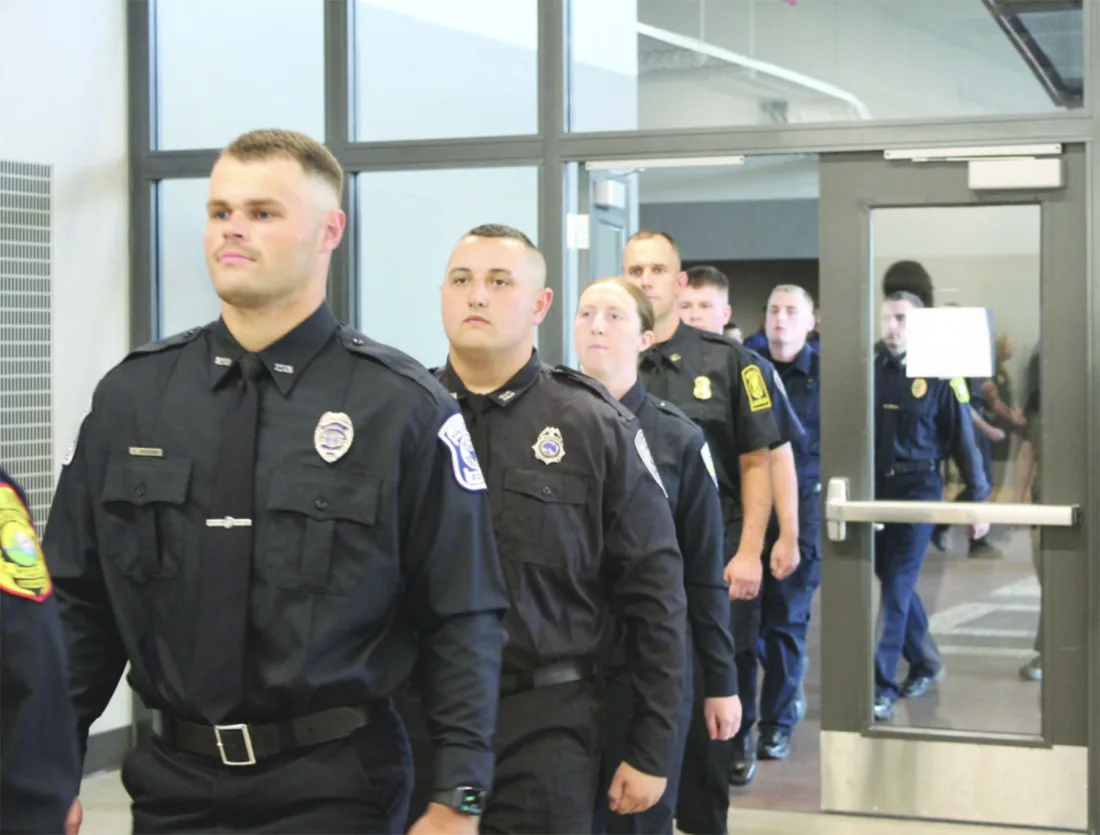
Regional Police Academy graduates march into their ceremony from the Northern Michigan University Public Safety Institute in August 2025. These 20 graduates would be divided among 12 different law enforcement agencies across the Upper Peninsula. (Antonio Anderson/Mining Journal, Marquette, file)
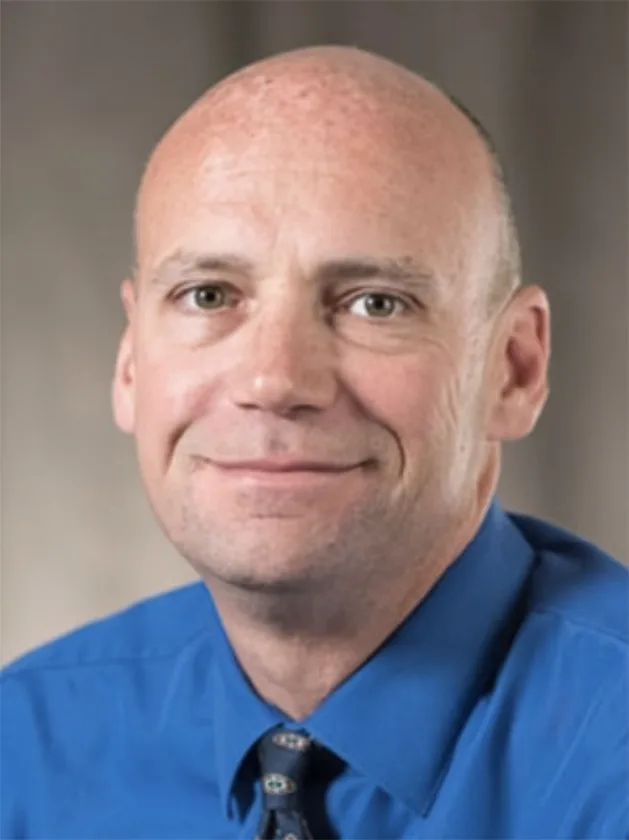
Michael Goodall is the Delta College Police Academy coordinator. (Delta College photo)
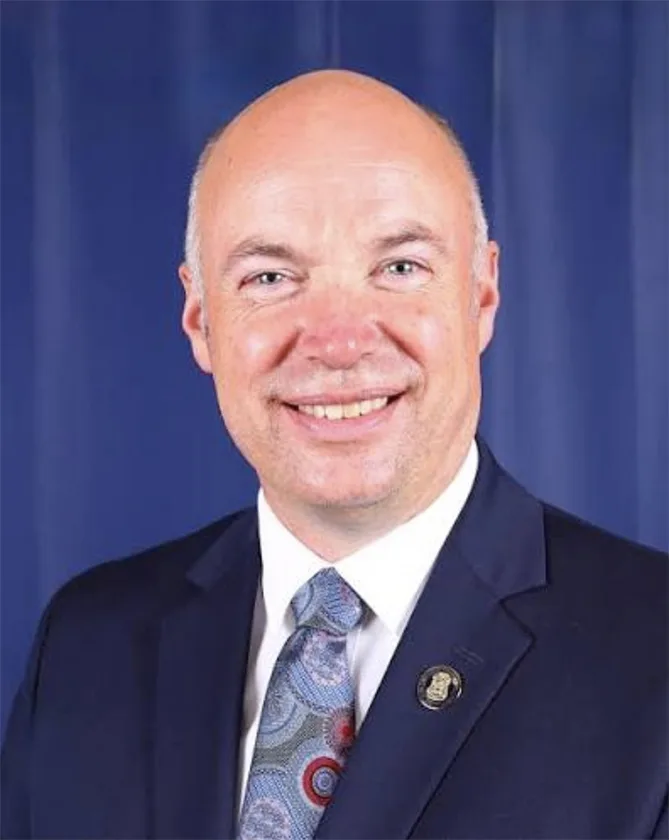
Ron Wiles, executive director of the Michigan Association of Chiefs of Police. (Contributed photo)
Regional Police Academy graduates march into their ceremony from the Northern Michigan University Public Safety Institute in August 2025. These 20 graduates would be divided among 12 different law enforcement agencies across the Upper Peninsula. (Antonio Anderson/Mining Journal, Marquette, file)
Michael Goodall is the Delta College Police Academy coordinator. (Delta College photo)
Ron Wiles, executive director of the Michigan Association of Chiefs of Police. (Contributed photo)
Trending
LANSING — Hiring and keeping officers are major problems in the state's law enforcement agencies, according to Ron Wiles, the executive director of the Michigan Association of Chiefs of Police based in Okemos.
One of the challenges that Wiles spoke about is a waning numbers of officers in police departments. In 2006 there were about 22,000 statewide, compared with 19,000 now.
"The biggest issue right now is recruitment and retention," Wiles said. "Qualified candidates are needed with retention and recruitment being down."
"Agencies like Detroit have 2,700 police officers. They can be down 20, 30, 40 officers and maybe not feel it," he said.
He said, "Most agencies in the state have less than 15 officers. If they are down five officers, that is a huge hit for them."
"If you have an agency like Grand Blanc Township," — where Wiles was chief until 2022 — "we have about 50 officers. If we were down 10, 15 officers, we would not be able to provide that same level of service that our residents expect and deserve from our agency."
Officer shortages remain a problem across the state.
Michael Goodall, police academy coordinator at Delta College in University Center, said his academy's size has decreased almost 50% in the past two years.
The 2024 class graduated 29 recruits while the current class has 15 scheduled to graduate.
"Numbers may be down due to reduced funding for training," Goodall said. Delta College doesn't get state funding for its police academy.
In recent years, state funds have been available to local law enforcement agencies to help the cost of training their new officers.
This fund, called the Public Safety Academy Assistance Program, is through the Michigan Commission on Law Enforcement Standards, which regulates recruiting, training and licensing officers in the state.
The fund gives qualifying agencies up to $20,000 per recruit to help with the costs of training, pay and equipment required during the academy, according to Goodall.
Michigan State Police's 150th trooper recruit school began with 83 recruits and finished the program graduating only 61 this year, according to the MSP website. The department's recruit schools this year had an average 69% graduation rate.
According to Wiles, becoming an officer requires more than just completing a police academy.
They must meet state selection standards, complete required training, pass licensing exams and get hired by a law enforcement agency. The rigorous process is meant to weed out potential problem officers.
According to its website, the Commission on Law Enforcement Standards works closely with basic training academies and law enforcement agencies to oversee recruit training and officer licensing.
The state has 24 law enforcement training academies, including the Grand Valley State University Police Academy. It's headed by Geoffrey Collard, who became director in 2023 after retiring as a Grand Rapids police captain.
The commission sets the curriculum that requires 615 hours of physical skills and academic training, Collard said.
This includes firearms training, physical fitness, first aid, legal studies, death investigations, behavioral health training and communication, he said.
Higher-level classes, according to Collard, include de-escalation training, interview skills, unbiased policing/decision making, mental health and wellbeing for officers, trauma prep and LGBTQIA+ interactions.
Wiles and Collard emphasized the importance of tactical and scenario-based training as well.
"We have 75 hours of firearm training and between 120 to 125 hours of scenario-based training over the 17-week program," Collard said. "This could be doing impromptu speeches to build communication, practicing a lot with communication tactics, scenarios like use of force decisions, traffic stops and high-risk traffic stops."
Collard said Grand Valley's police academy has not seen a dramatic change in enrollment, its enrollment usually "ebbs and flows" from year to year.
———
This story was provided by Capital News Service at Michigan State University.