
Restoration efforts aim to protect UP’s ‘Narnia Trail’
Trending
LANSING - A popular nature trail in the Upper Peninsula has been deteriorating, according to the Michigan Nature Conservancy.
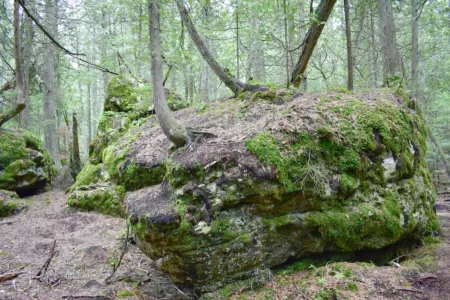
This trail was originally called the Bush Bay Trail, but it was nicknamed the "Narnia Trail" after it was popularized on social media, referring to the book series by C.S. Lewis. It is near Cedarville in Mackinac County.
According to the St. Ignace Travel Guide website's hiking and walking section, the trail is about 2.1 miles round-trip.
"Once a quiet retreat for locals with roughly 5,000 visitors a year, online virality after 2020 contributed to 45,000-50,000 visitors in one peak 2024 season, an intense spike that affected the trail's rare ecosystem and alarmed the local community," the Nature Conservancy said in an article.
The Conservancy said in its article about the Trail & Wetland Restoration Project, "This rapid increase in visitation has resulted in damage to the fragile habitat and impacts to cherished visitor experiences."
A lot of damage was caused by "visitors walking off designated paths, damaging sensitive wetland vegetation and moss-covered rocks," the Conservancy said.
The Professional Trailbuilders Association website said the Nature Conservancy of Michigan solicited proposals to construct about 300 feet of boardwalk in four areas of the trail as part of the protection plan.
Highlighting the positive aspects of the trail, members of the Upper Peninsula Travel Facebook Group said it was an easy hike and perfect for pictures. That is why protections for the trail are essential for protecting the ecosystem and visitor enjoyment, according to the Facebook posts.
MLive reported that the Nature Conservancy has installed informational signs encouraging hikers to stay on the designated path to avoid damaging moss, ferns and flowers.
The Conservancy "and partnering organizations began implementing signage and trail and parking lot improvements in mid-March 2026 after seeking preliminary approvals and researching feasibility," the Conservancy site said.
Officials said the new practices seem to be working for vegetation recovery, according to the MLive report.
———
This story was provided by Capital News Service at Michigan State University.