
Warmer winters may change wildlife habits, patterns
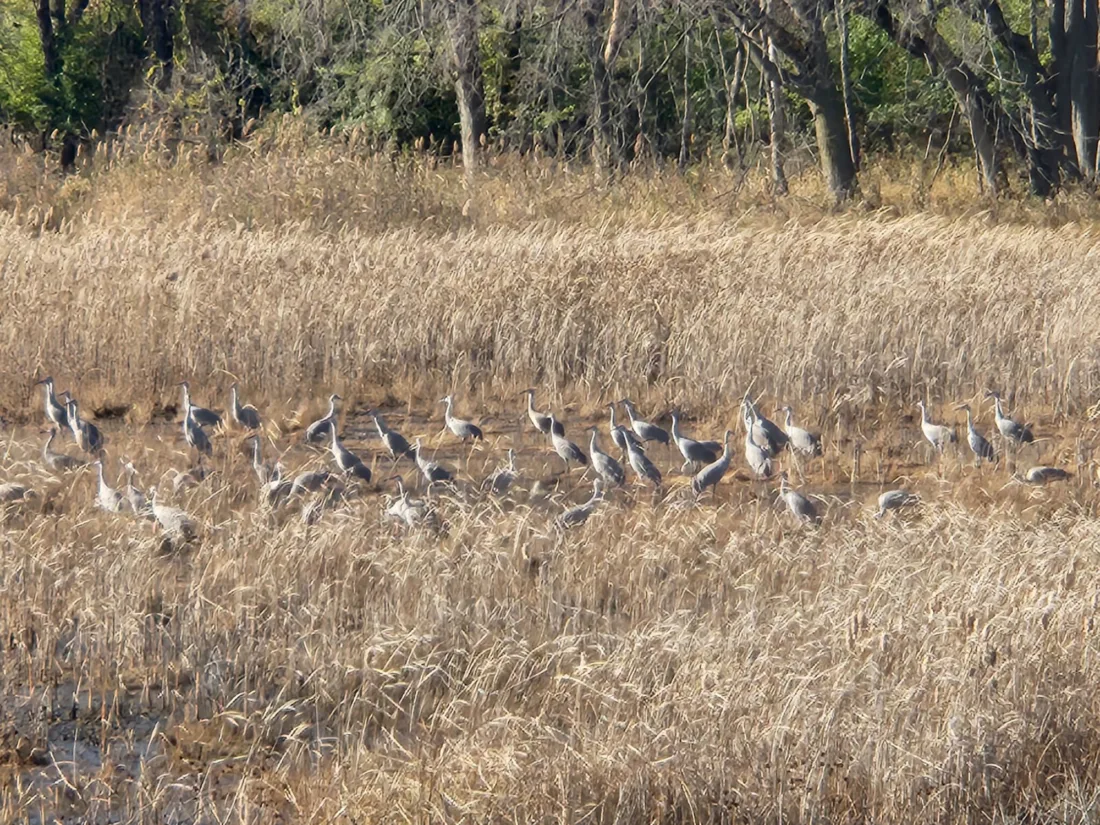
Sandhill cranes prepare to migrate South. (Michigan Wildlife Conservancy photo)

Christian John is an assistant professor of environmental data science at Michigan Technological University. (Michigan Technological University photo)
Sandhill cranes prepare to migrate South. (Michigan Wildlife Conservancy photo)
Christian John is an assistant professor of environmental data science at Michigan Technological University. (Michigan Technological University photo)
Trending
LANSING - Michigan is expected to have warmer-than-average temperatures this winter, according to the National Oceanic and Atmospheric Administration's U.S. Winter Outlook, and that has implications for wildlife.
The outlook map shows the Midwest as one of the areas with the highest chances for warmer winter conditions.
Warmer temperatures could alter wildlife behaviors and habits during the winter, experts say.
If temperatures stay warm and there is a sudden period of drastic dropping temperatures, bird migration could occur later than usual, according to Aaron Sullivan, the director of wildlife programs at the Michigan Wildlife Conservancy in Bath.
"If there is a cold snap and water freezes, we'll see migration south again. You may have one day where you see ducks everywhere, and the next day, thousands could be flying in the sky," Sullivan said.
He said that a warmer winter, however, could prove helpful for some species.
"White-tailed deer could benefit. They can save more energy, have easy access to their food items and overall have an improved survival rate," he said.
One downside to a greater deer presence is that they'll eat more trees and gardens in people's yards, according to Sullivan.
Animals that rely on hibernation can be adversely affected, he said.
"Bats can get aroused from higher temperatures, which can be detrimental," Sullivan said. "Coming in and out of that hibernation period creates an energy demand and can make bats more prone to white-nose syndrome."
White-nose syndrome is a deadly fungal disease that harms hibernating bats.
In previous years when temperatures have been higher, there have been more black bears active during the winter, he said.
This means bears are either waking up from hibernation earlier or starting later.
Sullivan said that creates more human-wildlife conflict.
He said if temperatures continue to rise during future winters, animal populations could increase in the north.
Christian John, an assistant professor of environmental data science at Michigan Technological University, said daily high temperatures during winter have risen almost 0.6 degrees Fahrenheit per decade since the mid-20th century in Houghton County.
The daily lows have risen almost 0.7 degrees Fahrenheit per decade.
He said cold-blooded animals are typically more vulnerable to such temperature increases.
"It can interrupt important periods of dormancy. Warm spells during late winter can cause them to become active before their food sources are available again, which can impact survival," John said.
He said cold temperatures are also crucial for regulating pest and insect species.
For example, cold weather kills some mosquito species, and if temperatures continue to rise during future winters, mosquito populations can grow in some areas. This could increase rates of mosquito-borne diseases in people.
"The clear ties to human health and wellbeing make rising winter temperatures something we should all care about," John said.
—
This story was provided by Capital News Service at Michigan State University.