
News briefs
Alabama man
gets clemency
MONTGOMERY, Ala. (AP) — Alabama Gov. Kay Ivey has commuted the death sentence of a 75-year-old man who was set to be executed this week even though he was not in the building when the victim was killed during a 1991 robbery.
Ivey on Tuesday reduced Charles “Sonny” Burton’s sentence to life in prison without the possibility of parole. Burton was sentenced to death for the shooting death of Doug Battle during a 1991 robbery. However, another man shot Battle when Burton had left the building. The shooter’s death sentence was later reduced on appeal to life imprisonment.
Ivey said she thought it would be “unjust” to execute Burton, considering that the shooter was spared the death penalty.
Bishop resigns
in California
(AP) — A Chaldean Catholic bishop in California has resigned and pleaded not guilty after prosecutors accuse him of stealing more than $270,000 from his parish. Pope Leo XIV announced Bishop Emanuel Shaleta’s resignation on Tuesday.
Shaleta’s attorney says she plans to show the allegations are false.
Prosecutor Joel Madero said the embezzlement allegations are connected to monthly rental payments of more than $30,000 from a tenant of the church’s social hall, and that there were discrepancies in the church’s financial accounts.
Trump pushes
voting bill
WASHINGTON (AP) — President Donald Trump said Monday he won’t sign any other legislation into law until Congress passes a strict proof-of-citizenship voting bill that he says also must end Americans’ ability to vote by mail, a startling demand months before the midterm elections.
Trump told House Republicans during their annual retreat at his golf club in Florida that he doesn’t think they will win elections unless voting laws are toughened up to prevent fraud — even though mail ballots are popular in many states and federal law already requires that voters in national elections be U.S. citizens, with scant evidence that noncitizens ever try to vote.
The president wants to bolster the so-called SAVE America Act, which the House has already approved, and he pressed the Senate to push past its filibuster rules to send it to his desk. Voting experts have said the bill could disenfranchise some 20 million American voters who don’t have birth certificates or other documents readily available, a number that would likely swell with the additional ban on mail balloting that Trump is demanding.
National News
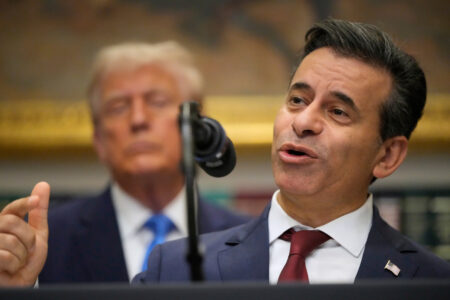
FDA finds little evidence that a drug touted by Trump can help people with autism
News briefs
Alabama man gets clemency MONTGOMERY, Ala. (AP) — Alabama Gov. Kay Ivey has commuted the death sentence of ...

US and Iran dig in and ramp up threats

Effects of the Iran war, oil prices at the gas pump and beyond
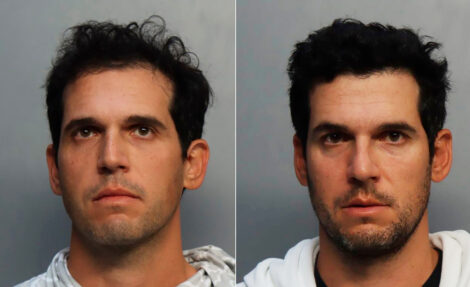
Alexander brothers convicted of sex trafficking
News briefs
Butterfield dies at 99 WASHINGTON (AP) — The White House aide who revealed that Richard Nixon had secretly ...