Guard against Medicare scams
Older adults are advised to protect themselves from scams and high-pressure sales tactics during the 2022 annual Medicare Open Enrollment period, which opens Saturday and runs to Dec. 7.
“Every year, Michiganders are targeted by criminals who try to take advantage of them and steal their money or personal information during the Medicare open enrollment period,” said Michigan Department of Insurance and Financial Services Director Anita Fox. “It is important that Medicare participants protect themselves by not giving out personal information, including their Medicare or Social Security Number, to anyone who tries to solicit their business over the phone, online, or at their front door.”
“We want to make sure that Medicare participants get access to the health care coverage they need without being taken advantage of by scammers,” said Michigan Department of Health and Human Services Director Elizabeth Hertel.
The Michigan Medicare and Medicaid Assistance Program has certified counselors who are just a phone call away, offering advice on choosing the best Medicare plan to meet health care needs or help identify and avoid Medicare scams and deceptive sales tactics.
DIFS, DHHS, and MMAP have some tips for older Michiganders to protect themselves during this Medicare Open Enrollment period:
— Never give your Medicare number or other personal information to callers or visitors saying they are from Medicare. The Centers for Medicare and Medicaid Services will never call or send someone to your home to ask for personal information or check your Medicare number. Agents cannot state that they are from Medicare; are approved, endorsed or authorized by Medicare; call on behalf of Medicare; or say that Medicare or any state or federal agency asked them to call or see you.
— You can get information on Medicare plans without providing an ID number. The only time you must use your Medicare ID number is when you enroll in a plan.
— Do not rely on caller ID. Scammers can use technology to make it look like they are calling from a legitimate business or government agency.
— Ignore anyone who contacts you saying you must join their prescription drug plan or you will lose your Medicare coverage. You may have to pay a penalty if you delay enrolling in the Medicare Part D prescription drug plan, but that coverage is voluntary.
— Don’t trust mailers that appear to be government communications. These may be advertisements for private companies that may have a disclaimer buried in small print.
— Remember that Medicare agents/brokers selling Medicare Advantage or Medicare Part D plans are not allowed to do certain things, including: make unsolicited calls, send unsolicited text messages or leave voicemail messages; approach you or market to you without you giving permission first. Also, they cannot go door to door, leave materials on your doorstep, or approach you in a public place, such as a park or supermarket.
Those who have questions or concerns about their Medicare coverage are urged you to contact Medicare directly at Medicare.gov or by calling 800-633-4227. If you or a loved one have experienced this type of scam or a high-pressure sales tactic, contact DIFS at Michigan.gov/DIFSComplaints or by calling 877-999-6442 from 8 a.m. to 5 p.m. Eastern time Monday through Friday to file a complaint.
Helping seniors navigate the complexities of open enrollment and avoid Medicare scams is the mission of MMAP, a free and confidential public service that offers a statewide network of more than 700 trained and certified Medicare counselors. MMAP is funded by the state and federal governments and is not affiliated with any insurance company. You can reach a MMAP counselor by calling 1-800-803-7174 or going to mmapinc.org.
Information related to scams identified by MMAP can be accessed at https://mmapinc.org/medicare-scams/.
Editorials

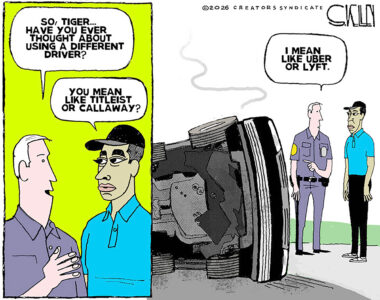
Editorial cartoon for April 4, 2026
State to focus this month on enforcing Hands-Free Law
If you haven't done it already, time to put down the phone when getting behind the wheel — law enforcement will ...
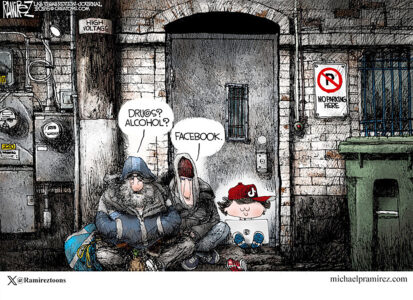
Editorial cartoon for April 3, 2026
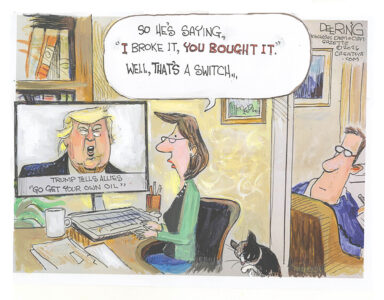
Editorial cartoon for April 2, 2026
Residents encouraged to join organ donor registry
Have you considered becoming an organ donor? It’s admittedly not the most pleasant topic, since it means ...