BBB warns consumers to avoid Mega Millions scams
With the Mega Millions jackpot now breaking $1 billion, the Better Business Bureau is warning consumers that scammers will be taking advantage of the situation to trick people into thinking they are winners.
“The big Mega Millions winners will be announced on television and online,” said Melanie Duquesnel, BBB president and CEO. “Scammers will be reaching out via email, telephone, and snail mail to ‘inform’ secondary winners of smaller prizes. Recognize the signs to protect yourself from getting scammed.”
Typically, targets of a lottery scam are asked to pay “taxes” or other fees upfront before they can claim their “winnings.”
Of course, once they make the payment — or several payments — the big prize never materializes, and the scammers are nowhere to be found. In another variation, the target receives a congratulatory letter in the mail informing them of the big win. Included is a check to cover the taxes on the winnings. Victims are instructed to deposit it into their bank account and then send the money to a third party, usually by wire transfer or prepaid debit card, which are largely untraceable. The lottery check is a fake that bounces and the victim is out the money.
Here are BBB’s tips to avoid lottery scams:
— Mega Millions tickets have to be purchased in person. They also should be purchased at an official lottery retailer. Be sure to look for appropriate signage and the official retailer sticker. Check https://michiganlottery.com/retail_finder for locations near you.
— Don’t pay up to claim your prize. You should never have to pay money or buy products in order to receive a prize. Be especially wary of requests to send money via wire, prepaid debit card, gift card or other unusual forms of payment.
— Be wary of email announcements. Major sweepstakes organizations sometimes email about smaller prizes, but for big winners they usually show up at your house with a big check and a camera crew.
— You can’t win a contest you didn’t enter. You need to buy a ticket or complete an application to participate in a contest or lottery. Be very careful if you’ve been selected as a winner for a contest you never entered.
— Verify. But not by using a source the scammers give you. Check if an offer is real, but don’t call the phone number in the email or website you suspect may be a scam. If it is a con, chances are the person on the other line will be involved, too.
— Check with BBB. Learn more about lottery scams and other cons at bbb.org/scam. Report scams to BBB Scam Tracker at bbb.org/scamtracker.
Editorials
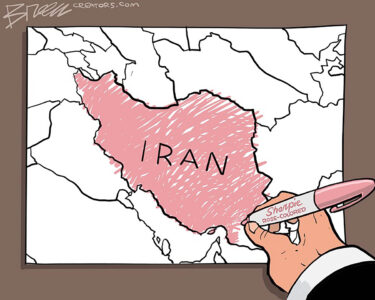
Editorial cartoon for April 4, 2026
State to focus this month on enforcing Hands-Free Law
If you haven't done it already, time to put down the phone when getting behind the wheel — law enforcement will ...
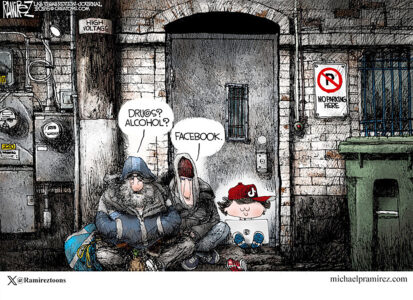
Editorial cartoon for April 3, 2026
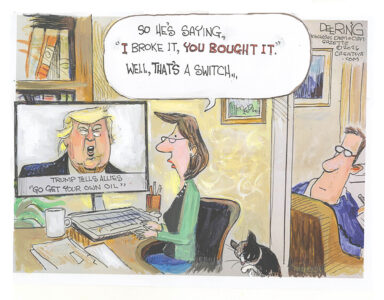
Editorial cartoon for April 2, 2026
Residents encouraged to join organ donor registry
Have you considered becoming an organ donor? It’s admittedly not the most pleasant topic, since it means ...