
Are we in a productivity boom?
The U.S. economy has been marked this year by the paradox of a rising stock market but a slowing labor market. Could the explanation be a productivity boom, led in part by artificial intelligence? That seems possible given Wednesday’s report that the economy grew a robust 4.3% in the third quarter.
The report, delayed by the government shutdown, came in well above most forecasts. Consumer confidence is down in surveys, but you wouldn’t know it from the healthy 2.4 percentage-point contribution to third quarter GDP. Health care, prescription drugs and international travel were leading contributors, with health care accounting for a third of the increase. Is this an Ozempic boom?
Airlines have reported that wealthier customers are traveling abroad more, and a buoyant stock market lifted by AI may make them feel richer. If your stock portfolio is up 20% over the year, why not holiday in Rome?
One concern is that spending is uneven, with many companies reporting a pullback by lower- and middle-income consumers. General Mills said last week that consumers earning less than $100,000 a year are buying more food at price promotions. Chipotle in October reported a slowdown in spending among younger and less affluent customers.
Another concern is inflation. The core personal consumption expenditure price index (less food and energy) rose 2.9% in the third quarter, versus 2.6% in the second. Yet disposable personal income increased only 2.8% and the savings rate fell to 4.2%. People aren’t going to feel better about the economy until their incomes keep up with rising prices.
An increase in net exports supplied 1.6 percentage points to growth. Much of this owes to a decline in imports, following the import boom early in the year as businesses tried to front-run tariffs. A decline in imports isn’t healthy if it means higher prices for consumers or U.S. businesses that become less competitive because they pay more for components. Business investment in equipment continued its healthy growth (AI?), though overall private investment was down owing to declines in residential housing and business structures.
Trumponomics boils down to a bet that the pro-growth impact of deregulation and tax reduction can offset the damage from tariffs, which are tax increases. Imagine how well the economy would be doing without tariffs.
ONLINE: https://www.wsj.com/opinion/donald-trump-economy-gdp-consumers-artificial-intelligence-productivity-66cb7afe?mod=editorials_article_pos2
Editorials
Are we in a productivity boom?
The U.S. economy has been marked this year by the paradox of a rising stock market but a slowing labor market. ...
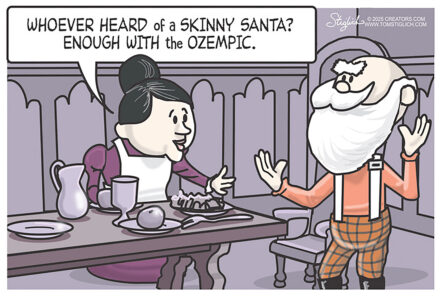
Editorial cartoon for Dec. 26, 2025
‘Yes, Virginia, there is a Santa Claus’
[Note: This editorial originally appeared under the headline, "Is There a Santa Claus?" in the New York Sun on ...

Editorial cartoon for Dec. 24, 2025

Editorial cartoon for Dec. 23, 2025
MDARD offers holiday food safety advice
The Michigan Department of Agriculture and Rural Development reminds Michiganders to keep food safety in mind as ...