DNR urges waterfowl hunters to use caution, expects fall surge in bird flu
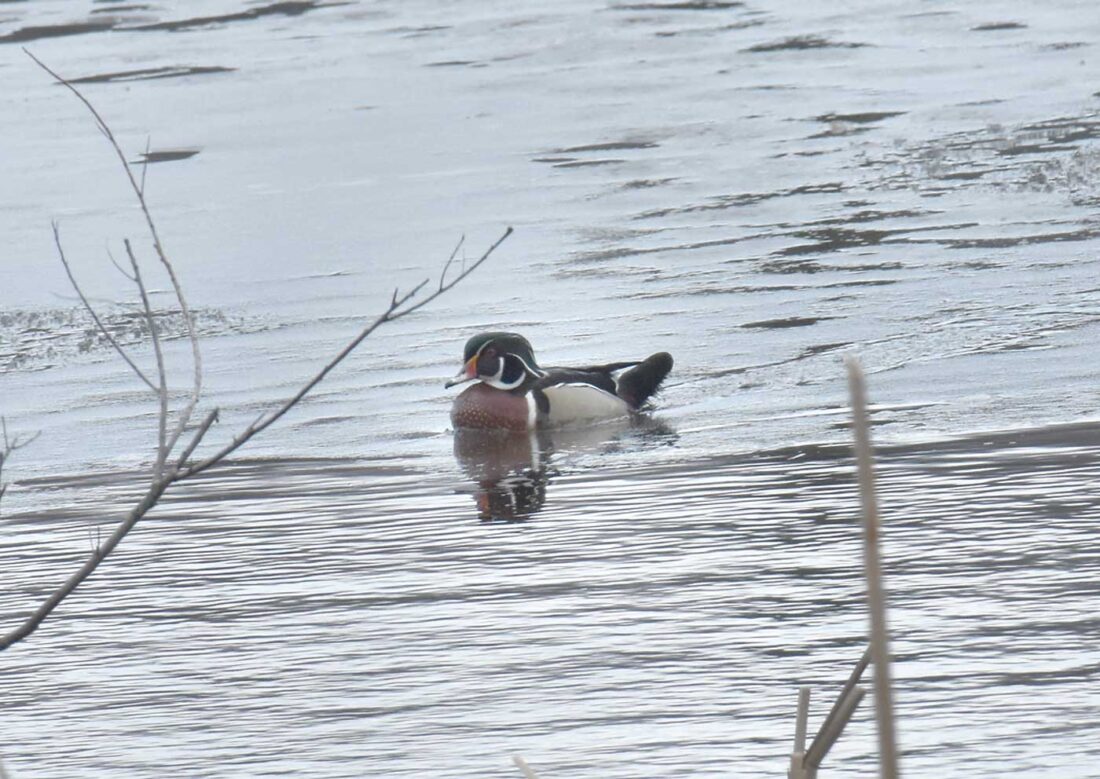
Dabbling ducks, such as wood ducks, are the waterfowl most commonly infected with bird flu, according to the Michigan Department of Natural Resources. (Betsy Bloom/Daily News photo)
LANSING — With duck and goose hunting seasons starting soon, the Michigan Department of Natural Resources asks all hunters to be observant and careful when harvesting and handling wild birds, due to the presence of the highly pathogenic avian influenza virus.
Although the rate of positive detections has slowed this summer, a recent uptick in reports of wild bird die-offs, neurologically abnormal wild birds and virus detections has prompted the DNR to issue additional guidance. Influenza experts expect a resurgence of this “bird flu” as waterfowl migrations get underway and fall hunting seasons begin.
The H5N1 virus continues to be detected through wild bird surveillance activities and is considered widespread in wild bird populations throughout Michigan, including all watersheds in both the Upper and Lower peninsulas. Dabbling ducks are the most commonly infected waterfowl, but geese, swans, shorebirds and other species also can be infected.
“Avian influenza or ‘bird flu’ is caused by viruses that infect both wild and domestic birds. Highly pathogenic avian influenza viruses can severely affect the health of domestic birds, wild birds and, sometimes, humans and other mammals,” said Megan Moriarty, the state wildlife veterinarian with the DNR.
“As Michigan waterfowl hunters get out in the fields and marshes this season, we want them to know there is a lot they can do both to help prevent the spread of highly pathogenic avian influenza and to keep themselves, others and our bird and wildlife populations safe,” she said.
Michigan’s initial HPAI detection, in a wild bird, occurred March 15. Since then, the state has had approximately 150 positive detections in wild birds and mammals.
Highly pathogenic avian influenza is highly contagious, and poultry are especially vulnerable. The strain of HPAI now present in North America has caused extensive morbidity and mortality events in a range of wild bird species.
Making the situation more challenging, wild birds can be infected with HPAI and show no signs of illness. They can carry the disease to new areas when migrating, potentially exposing domestic poultry to the virus. Currently, the DNR does not anticipate any serious impact to Michigan’s waterfowl populations.
According to the U.S. Centers for Disease Control and Prevention, the public health risk associated with HPAI remains low, but advises people to avoid handling any sick or dead wild birds.
Safety guidelines for hunters
–Harvest only waterfowl that act and look healthy. Do not handle or eat sick game.
–Field dress and prepare game outdoors or in a well-ventilated area.
–Wear rubber or disposable latex gloves while handling and cleaning game.
–Remove and discard intestines soon after harvesting and avoid direct contact with the intestinal contents.
–Do not eat, drink, smoke or vape while handling carcasses.
–When done handling game, wash hands thoroughly with soap and water (or alcohol-based hand sanitizer if soap and water are unavailable), and clean knives, equipment and surfaces that came in contact with game. Wash hands before and after handling any meat.
— Keep waterfowl cool (either with ice or refrigeration), below 45 degrees Fahrenheit, until processed, and then refrigerate or freeze.
–Thoroughly cook all game to an internal temperature of 165 degrees Fahrenheit before eating it.