
Summer light wanes as ‘blue’ moon approaches
Loon program set for Wednesday in Niagara
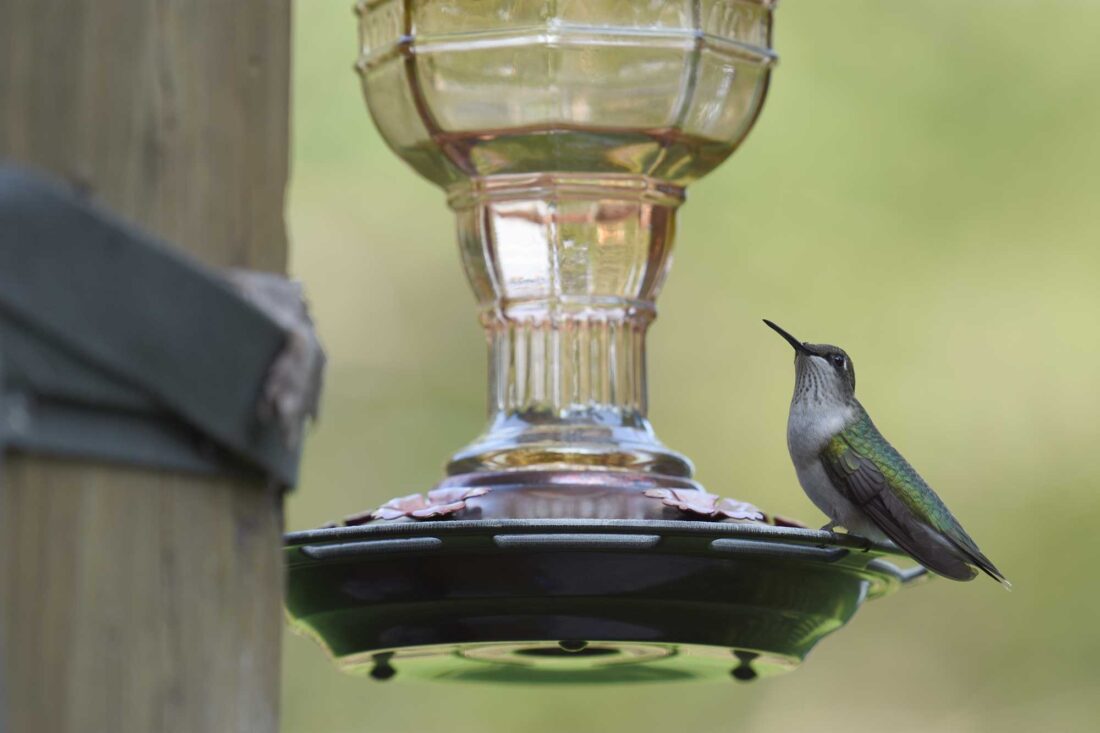
(Betsy Bloom/Daily News photo) A hummingbird TAKES advantage of a nectar feeder at Six Mile Lake in northern Dickinson County to build up energy as fall migration time nears.
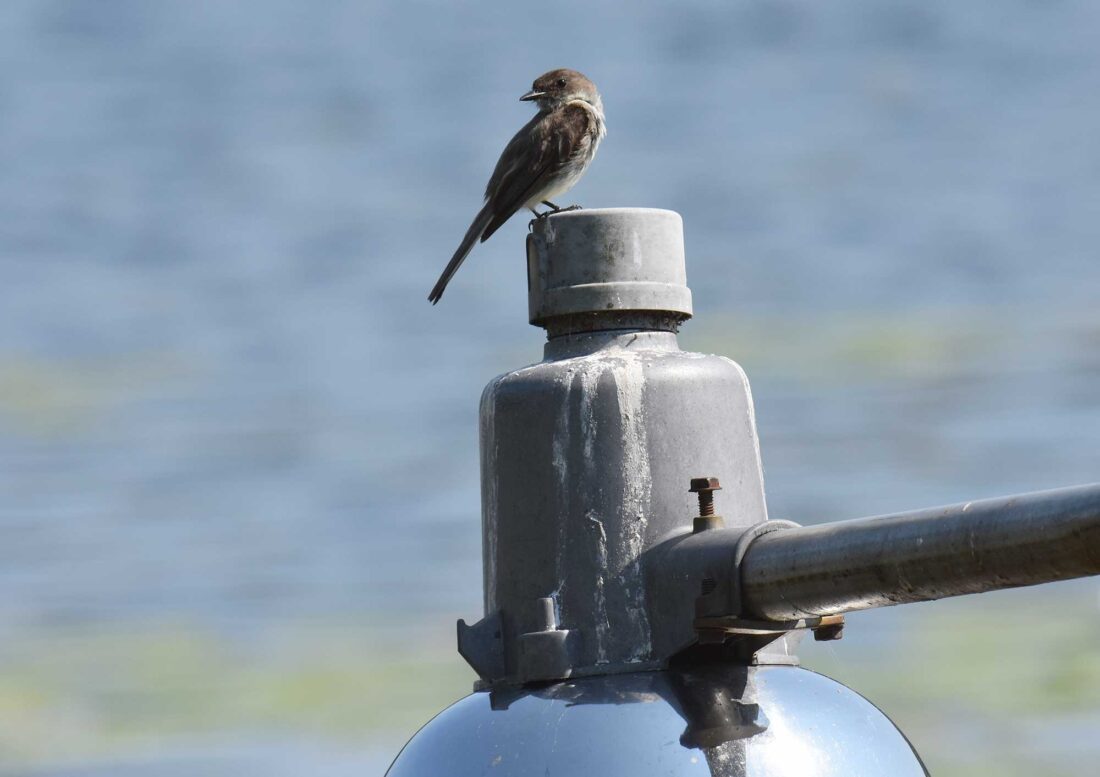
(Betsy Bloom/Daily News photo) The Eastern phoebe is among among the first birds to appear in spring and the last to leave.
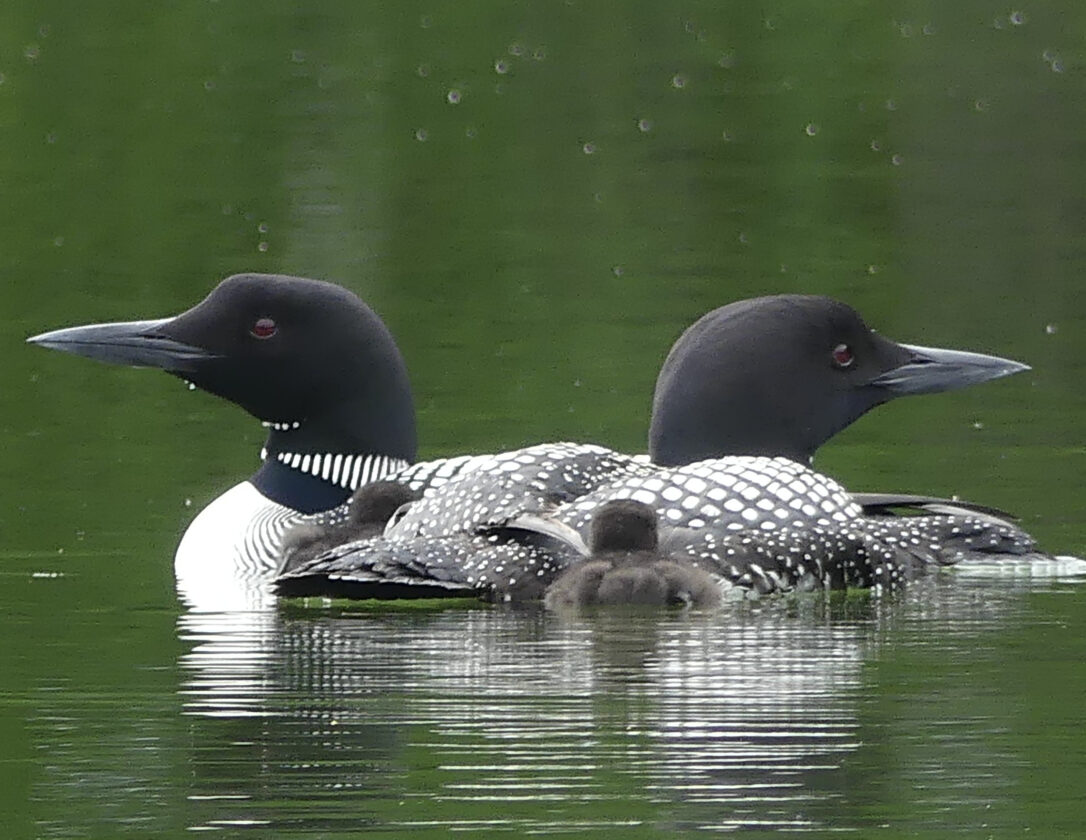
(Larry Warren photo) Niagara Northwoods Senior Cafe will host a presentation on common loons at 1:30 p.m. Wednesday. Larry Warren, a part-time resident of Spread Eagle, Wis., and a lake monitor for the LoonWatch program out of Northland College in Ashland, Wis., will lead the free program.
(Betsy Bloom/Daily News photo) A hummingbird TAKES advantage of a nectar feeder at Six Mile Lake in northern Dickinson County to build up energy as fall migration time nears.
(Betsy Bloom/Daily News photo) The Eastern phoebe is among among the first birds to appear in spring and the last to leave.
(Larry Warren photo) Niagara Northwoods Senior Cafe will host a presentation on common loons at 1:30 p.m. Wednesday. Larry Warren, a part-time resident of Spread Eagle, Wis., and a lake monitor for the LoonWatch program out of Northland College in Ashland, Wis., will lead the free program.
Trending
The meteorological summer of 2023 will draw to close this coming week with the end of August.
The days are growing noticeably shorter. Sunset at the start of August came at about 8:20 p.m., but by Thursday it will be only a couple minutes after 7:30 p.m.
Already, some of the maple trees across Six Mile Lake have begun changing color. The apples in the yard and at the neighboring property are no longer green.
Ruby-throated hummingbirds, the only of their kind to breed in this region, are picking up the pace at the nectar feeders. The numbers climb as fall migration approaches because the birds -- which now include the new juveniles hatched during the summer -- are building up for the flight south.
They can be among the earliest bird migrants, with some adult males departing in late July, according to several online sources. But late August and early September are considered the peak migration period.
Hummingbirds are known to travel during the day, stopping when they find a good food source, so keep those feeders filled with fresh nectar. While it's warmer, feeders should be cleaned frequently to avoid the sugar-water mixture fermenting into alcohol that can be toxic to the tiny birds.
Finally, even when it appears the local hummers have left, maintain those feeders for the ones still likely to come from the north.
Other early signs of migration: grackles and red-winged blackbirds are flocking again, nighthawks have been reported on the move elsewhere in the Upper Peninsula, the number of northern flickers is increasing, some of the swallow species have become scarce and the smaller songbirds -- warblers, vireos -- have begun to move through the area. For most, it's still early, but like the growing patches of color in the foliage it signals the shift in seasons has begun.
The last of the Eastern phoebe chicks hatched on our property is fledged and flying; it looked like the second nesting of the summer produced only one. That flycatcher species is among the first to appear in spring and the last to leave. So hopefully it will be around for awhile.
*****
Larry Warren will give a presentation on common loons at 1:30 p.m. Wednesday at the Niagara Northwoods Senior Cafe, 569 Washington St. in Niagara, Wis.
He will discuss the five species of loons in North America, two of which can occur in this area.
Those who attend will get to hear the four main calls of common loons. He'll also discuss their nesting habits, how they raise their young, diet and their unusual anatomy.
Warren will talk about their migration habits and some of the dangers loons can face as well.
A self-described "citizen scientist," Warren said he has loved loons since he first saw them 30 years ago in Quetico Provincial Park in Ontario, Canada. He was delighted when loons began appearing on the chain of lakes at Spread Eagle, Wis.
Since Warren retired in 2009, he has spent much time observing them and has participated in the LoonWatch program out of Northland College as a lake monitor. His job is to learn about and observe the loons and report his observations to the LoonWatch project.
The program is free.
Those who plan to attend are encouraged to have lunch before the program, provided by the Marinette County Elderly Services. The suggested donation is $5 per meal for those age 60 and older and $11 for those younger than 60.
Reservations for lunch are required 24 hours in advance by calling 715-251-1603.
The menu Wednesday includes hot roast beef sandwiches, mashed potatoes with gravy, mixed vegetables, bread, milk and pie. Lunch is served at noon, followed by Wednesday bingo and then Warren's loon program at 1:30 p.m.
Individuals interested in attending only the loon program are asked to arrive after 1:15 p.m.
The program is sponsored by John and Claire Blayney.
*****
Finally, don't forget to look for the "blue" -- or rare second full moon in the month -- Wednesday night. This also will be a "supermoon," which occurs when the moon's orbit is closest to Earth, making it appear slightly larger and brighter than usual. This is the only "blue" moon of 2023 and the first since 2021.
Betsy Bloom can be reached at 906-774-2772, ext. 240, or bbloom@ironmountaindailynews.com.