
Trending
CRYSTAL FALLS -- The Crystal Falls Community District Library, in partnership with the U.P. Publishers & Authors Association, has scheduled author events with winners of the U.P. Notable Book List.
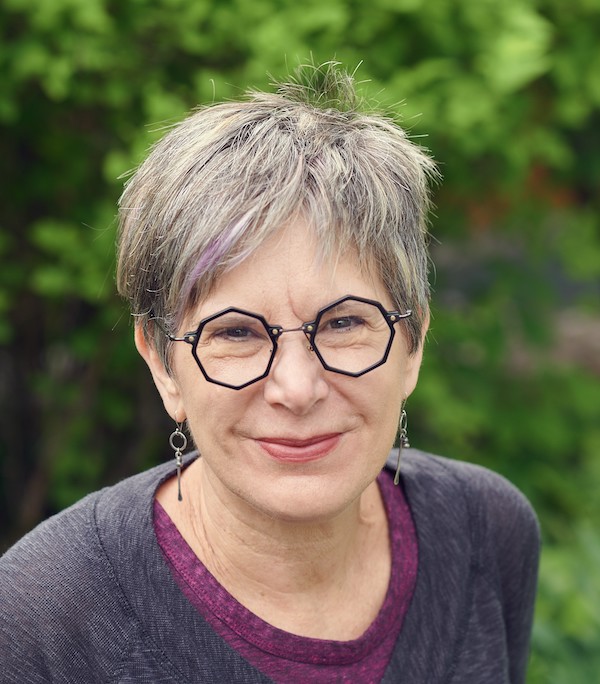
The 60th event is at 6 p.m. today via Zoom with Helen Raica-Klotz. To attend, contact librarian Evelyn Gathu in advance at egathu@crystalfallslibrary.org or call 906-875-3344.
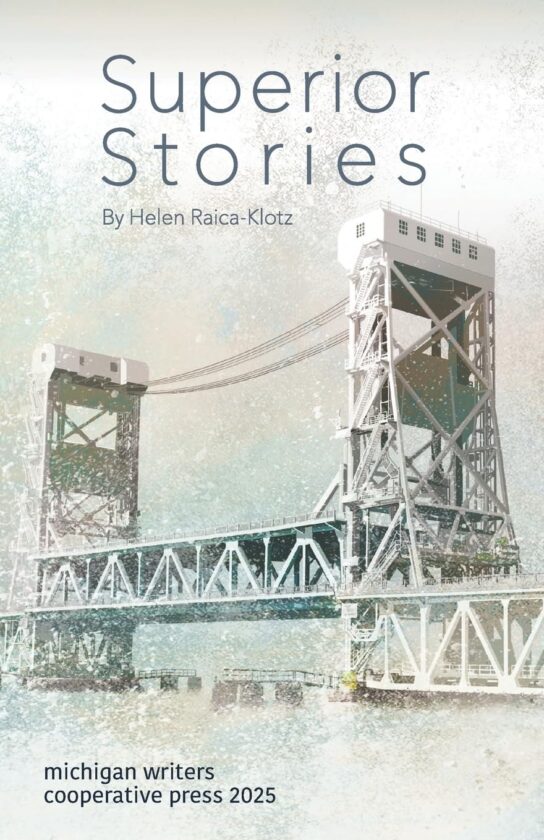
Raica-Klotz's "Superior Stories," winner of the 2025 Michigan Writers Cooperative Press Chapbook Contest in fiction, is a series of six short fiction stories exploring the lives of people who live in the northernmost part of Michigan's Upper Peninsula, the Keweenaw.
Award-winning author Bryan Gruley wrote, "In her linked story collection, 'Superior Stories,' Helen Raica-Klotz takes readers deep into the physical and emotional lives of regular people trying and often failing to do the right thing -- for themselves, their families, their friends, and their northern Michigan worlds. Raica-Klotz conjures evocative settings and richly layered up-north characters with language that is at once concrete and elegiac, painting a hard yet enchanting landscape of tarpaper roofs, black ice, and hoar frost -- a travelogue of human hope and grief, aspiration and desperation."
Raica-Klotz has a master's degree in English from Central Michigan University and teaches composition courses at Saginaw Valley State University. She's also taught writing at a regional prison, a homeless shelter, an alternative high school, and other places where she can find people with stories to tell.
Her fiction and creative non-fiction has appeared in various publications, including The MacGuffin, Porcupine Literary, Dunes Review, Literary Mama and Great Lakes Review. Raica-Klotz lives in northern Michigan with her husband, Steve, and their large black Lab, Atticus. She spends much of her time walking through the woods -- and avoiding grading papers and cooking.
Gruley wrote, "(Helen Raica Klotz) has learned a lot from the workshopping to create characters and to tell stories in what she calls above 'the wonderful world of fiction.' Her cast of vivid characters, all set in the Houghton/Hancock region where she is living now, range from old women 'drowning' in dementia to many other examples of loss. A couple of friends talk in a bar about one of them each morning having 'to introduce himself to his mother before caring for her.' (p. 3) His drinking friend counters with a story about a guy in a bad marriage who 'was a drunk... drove off the road and ended up in the canal, probably trying to cross the water to get to the next bar.' (p. 6) Each story is about loss and, in a sense, the drowning of personality. One of my favorites is a story told by Raica-Klotz of a good Lutheran girl who ends up tearing up all her images of Jesus until '...all she can see are the pink pale roses curving up her wall like Jesus was never there.' (p. 23)."
More information about the U.P. Notable Book list, U.P. Book Review and UPPAA can be found online on www.UPNotable.com.