
Nature knows summer won’t last
Northwoods Notebook
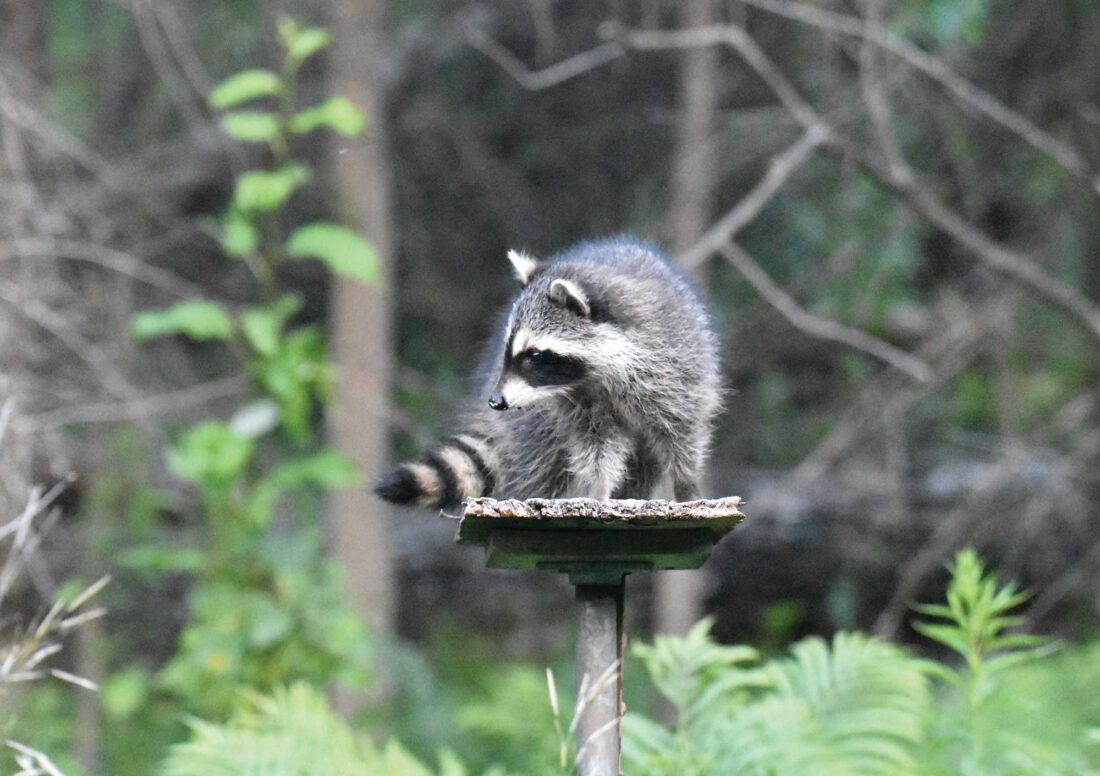
(Betsy Bloom/Daily News photos) A young raccoon makes use of its climbing skills. This is the time of year when the species starts packing on pounds for winter.
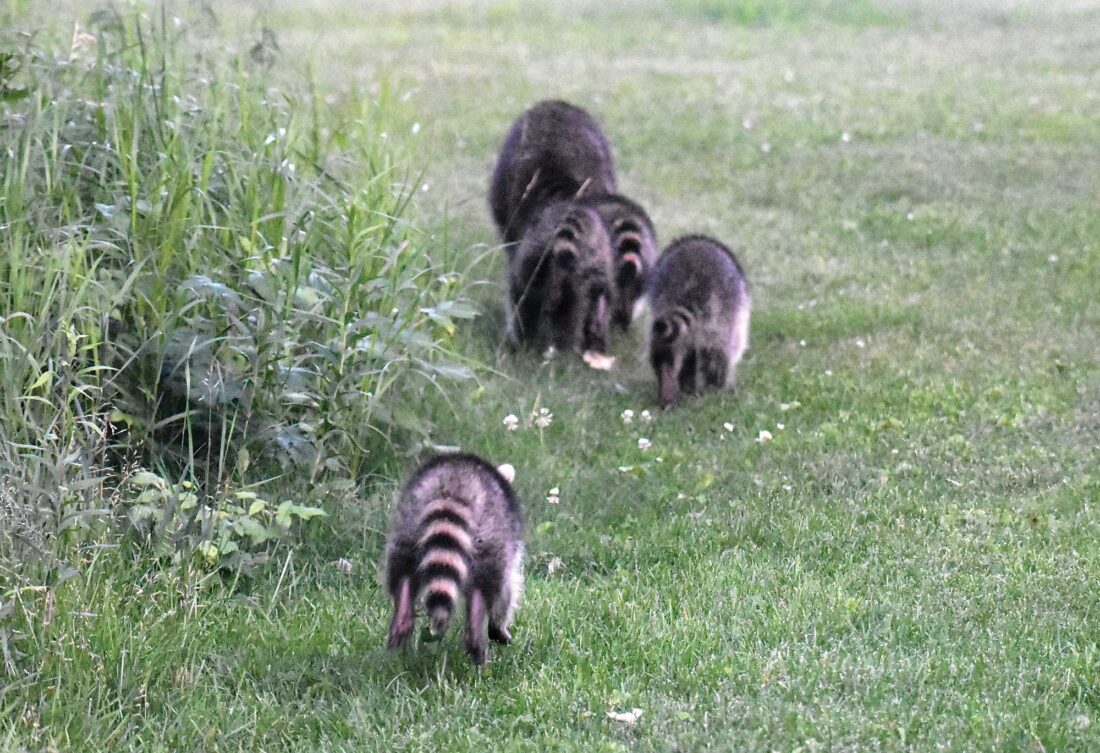
A raccoon mom ushers her kits.
(Betsy Bloom/Daily News photos) A young raccoon makes use of its climbing skills. This is the time of year when the species starts packing on pounds for winter.
A raccoon mom ushers her kits.
Trending
August is nigh.
Not that any animal or plant really recognizes our "August," or any other month we've created in the calendar. It is, as far as we know, a purely human concept of time.
That said, what we consider to be August might be among the easiest, most leisurely periods that animals in the northwoods get to enjoy each year.
August offers the full bounty of late summer, and many animals take advantage of this to start bulking up for the lean times to come -- which, up here, can see the first hints of change to autumn start appearing by month's end.
The native plants with seeds and fruits either have reached maturity or are close enough to ripening to be eaten. Some birds, such as American goldfinch and cedar waxwings, even delay nesting to synchronize with the availability of such food for their young.
The new young of this past spring have now grown enough to be weaned, fledged or, if an insect, will carry the next generation into the future. Many have developed the speed, agility or savvy to avoid being prey. While not out of danger of being eaten, they're better prepared to deal with the world.
Some of this year's babies, like red fox pups, may spend only a couple more months with their parents before setting out on their own in the fall.
The raccoon that had been munching sunflower seeds on our bird feeder showed up recently with five well-grown kits in tow, showing her offspring where the goodies can be found. While young raccoons may separate from mom in the fall or early winter, they also may remain with her through the winter.
With these young birds and mammals now old enough to mostly feed themselves, the adults get to keep more of the calories for themselves rather than meet the demands of their offspring. Does, for example, will begin to replenish fat reserves depleted by the winter and then her growing and nursing fawns.
Raccoons, in particular, are pros at packing on fat for winter. According to the University of Michigan Museum of Zoology's Animal Diversity Web, "Raccoons are capable of achieving body masses made up of 50% body fat, but it is mostly raccoons in the northern parts of the range that become this fat. Males are usually heavier than females by 10 to 30%."
So here's to good forage and feeding for the wildlife as they -- and we -- enjoy the waning days of summer.
Betsy Bloom can be reached at 906-774-2772, ext. 240, or bbloom@ironmountaindailynews.com.