
Forecast favors warmer fall in region
Trending
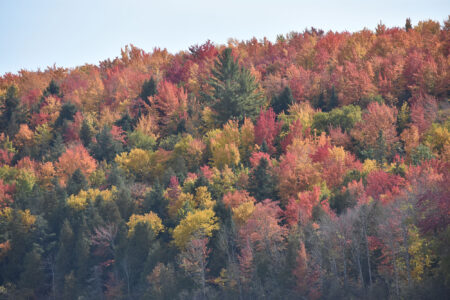
IRON MOUNTAIN -- Fall colors are nearing their peak while the Upper Peninsula snow season waits in the wings.
AccuWeather meteorologists predict most of the contiguous U.S. will experience a mild start to winter, but the rest verges on guesswork. A rare "triple-dip La Nina" has forecasters hedging their bets.
This will be the third winter in a row that La Nina -- a cooling of the eastern Pacific Ocean near the equator -- influences the jet stream and weather patterns in North America, AccuWeather meteorologist Paul Pastelok said.
"These third-year La Ninas are very tricky," Pastelok said, noting it may shape up as the first "triple-dip" winter of the 21st century. The Climate Prediction Center sees an 89% chance of La Nina continuing through December, decreasing to 54% for January through March.
AccuWeather predicts snowfall higher than normal in the Upper Peninsula, while the National Weather Service is neutral on precipitation trends through February.
Locally, temperatures slightly above normal are predicted into December, with a colder pattern looming for the new year.
A wild card for winter will be the polar vortex. When its frigid air is displaced from the North Pole the central U.S. typically experiences its coldest temperatures of the season, Pastelok said. February could be the month to watch for the polar vortex to bulge southward, he added.
Another factor is the effects of an undersea volcano that erupted in Tonga in January. It shot millions of tons of water vapor high into the atmosphere, unlike anything seen in recent history, and scientists are still trying to understand its impacts.
The lingering water vapor could indirectly help to fortify the polar vortex over the North Pole, preventing it from dipping down across North America, AccuWeather meteorologist Brian Lada said.
"However, the jury is still out on whether or not the volcanic fallout will indeed have a significant impact on the winter forecast or other seasonal forecasts in the future," he said.
La Nina is associated with warmer falls locally and September was no exception. Temperatures last month averaged 59.9 degrees at Iron Mountain-Kingsford, which was 1.3 degrees above normal. The highest temperature was 86 degrees Sept. 2 and the lowest was 30 degrees Sept. 29.
The first frost of the season arrived Sept. 23. That was two days past the norm but nearly a month ahead of the record for the season's latest frost date, Oct. 22, set just last year.
Rainfall at the Iron Mountain-Kingsford Wastewater Treatment Plant measured 1.46 inches in September, which was nearly 2 inches below average. Although August was wet, the U.S. Drought Monitor now shows abnormally dry conditions in northeastern Wisconsin and portions of bordering counties in the Upper Peninsula.