
Don’t be fooled — soon it won’t be summer
Northwoods Notebook
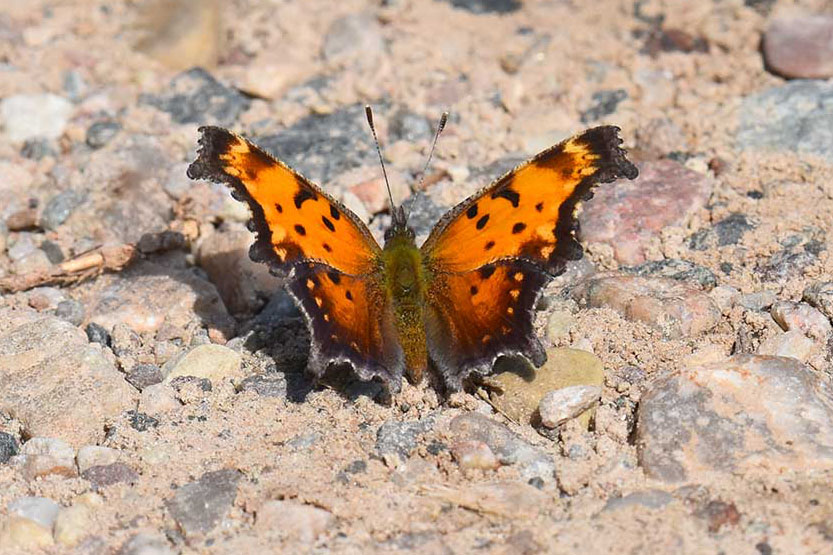
Comma butterflies, are flashy when wings are spread but almost perfectly camouflaged with wings closed. The commas and mourning cloaks that can be seen in good numbers right now will overwinter by crawling into cracks in rocks or trees to hibernate. (Betsy Bloom/Daily News photo)
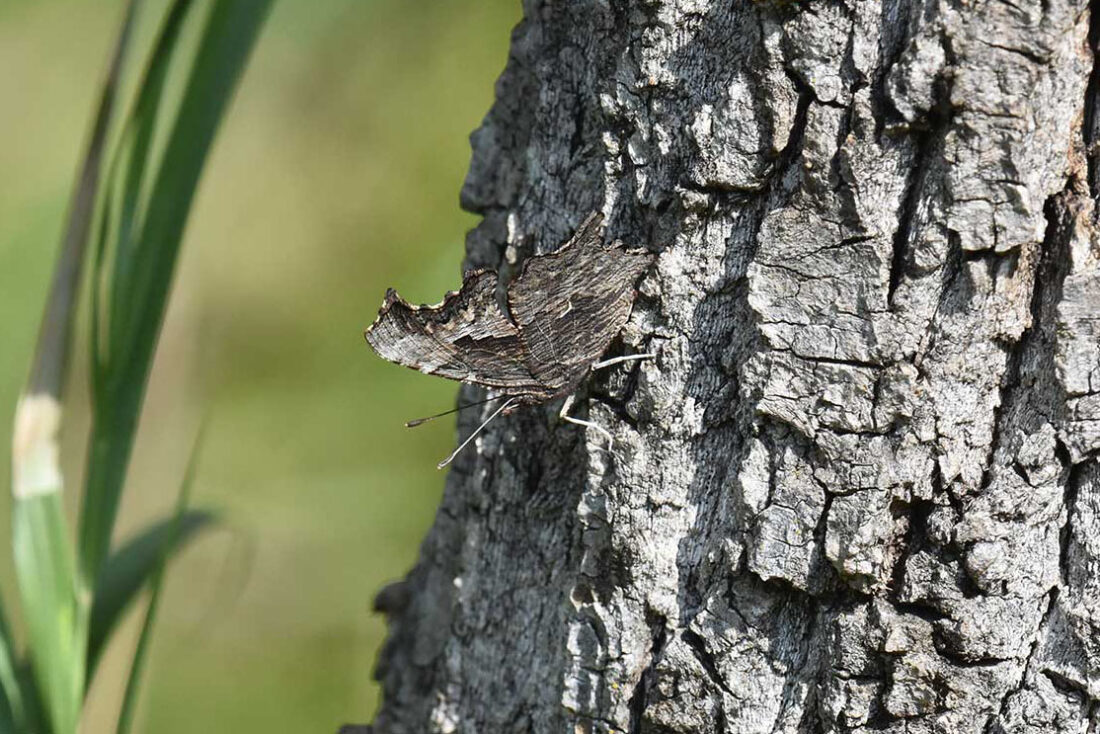
Comma butterflies, are flashy when wings are spread but almost perfectly camouflaged with wings closed. The commas and mourning cloaks that can be seen in good numbers right now will overwinter by crawling into cracks in rocks or trees to hibernate. (Betsy Bloom/Daily News photo)
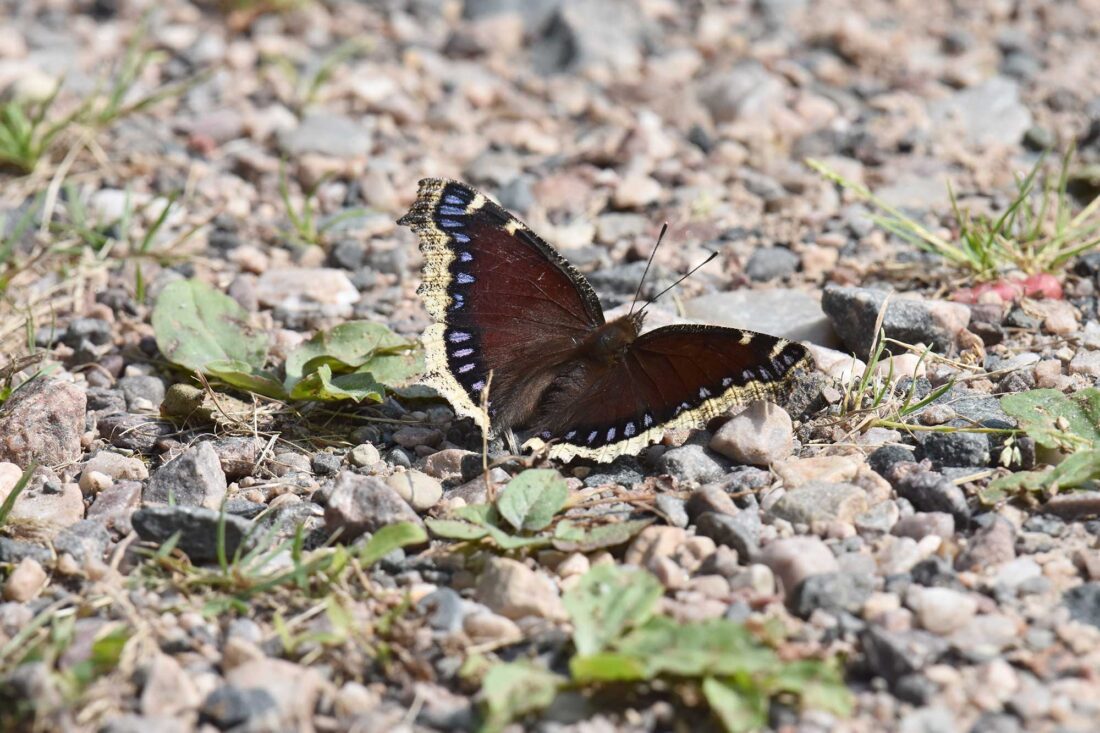
The commas and mourning cloaks, above, that can be seen in good numbers right now will overwinter by crawling into cracks in rocks or trees to hibernate. (Betsy Bloom/Daily News photo)
Comma butterflies, are flashy when wings are spread but almost perfectly camouflaged with wings closed. The commas and mourning cloaks that can be seen in good numbers right now will overwinter by crawling into cracks in rocks or trees to hibernate. (Betsy Bloom/Daily News photo)
Comma butterflies, are flashy when wings are spread but almost perfectly camouflaged with wings closed. The commas and mourning cloaks that can be seen in good numbers right now will overwinter by crawling into cracks in rocks or trees to hibernate. (Betsy Bloom/Daily News photo)
The commas and mourning cloaks, above, that can be seen in good numbers right now will overwinter by crawling into cracks in rocks or trees to hibernate. (Betsy Bloom/Daily News photo)
Trending
The seasons are shifting quickly.
While the past week featured summer-like warmth in the 80s -- a trend the National Weather Service predicts will continue through most of next week -- nature is providing plenty of signs that, as "Game of Thrones" famously proclaimed, "Winter is coming."
Deer are turning gray again, swapping out the thinner, redder coats. Most fawns are losing their spots as they change.
But for one seen at dusk last Saturday, hummingbirds have been absent. The one that did appear, however, made me glad I'd cleaned the feeders that day and put in new nectar. They'll keep getting refreshed through the fall in case any stragglers come through.
Large groups of northern flickers, the brown woodpeckers that feed on the ground like robins, stuck around a couple days but have apparently moved on.
Another migrating woodpecker, the yellow-bellied sapsucker, still was taking advantage of the orange halves being put out daily, though the line that had formed in the past -- mostly fledglings from this year -- has become maybe one or two birds, the last one seen a full adult male.
The belted kingfisher that used our pontoon boat as a vantage point to spot prey hasn't been around, nor have I heard its rattling cry.
No tree or barn swallows swooping over the fields or lake. Eastern kingbirds, a dapper flycatcher in charcoal gray with a near-white breast and belly, are gone from the fenceposts and road edges. That's to be expected -- they've got a long journey to make, as eastern kingbirds winter entirely in South America, primarily in western Amazonia, according to the Cornell Lab of Ornithology's All About Birds website, https://www.allaboutbirds.org. They may have departed as early as July.
But eastern phoebes, another type of flycatcher, linger still in the yard, chasing the still-abundant flying insects across the lawn and driveway.
The butterflies, too, signal the shift. This past week saw a profusion of mourning cloaks and the "angle-wings" -- the orange and black commas and question marks -- as they get ready to tuck themselves away in rock and tree cracks to hibernate.
Like spring peeper frogs, these butterflies are able to manufacture a form of internal antifreeze that lets them survive the harsh cold, so they are able to emerge early in spring and get a jump on producing the next generation. They'll have two broods in a summer, the second being the one that overwinters, according to online sources. They'll take their cues on when to start hibernating from the shortening daylight.
That's a trend all too evident now. Sunset in Iron Mountain at the start of September came at about 7:30 p.m., but Monday will be the final day it will happen in the 7 p.m. hour until March 17; by month's end sunset will be just after 6:30 p.m. Each day this month loses about three minutes of light.
The autumnal equinox happens at 7:43 a.m. Sunday, Sept. 22, from which point days will have more darkness than daylight until the winter solstice Dec. 21.
Indeed, winter is coming. So savor the late summer and autumn while it remains.
Betsy Bloom can be reached at 906-774-2772, ext. 240, or bbloom@ironmountaindailynews.com.