
MARSP mini-grant brings science to life for third grade students
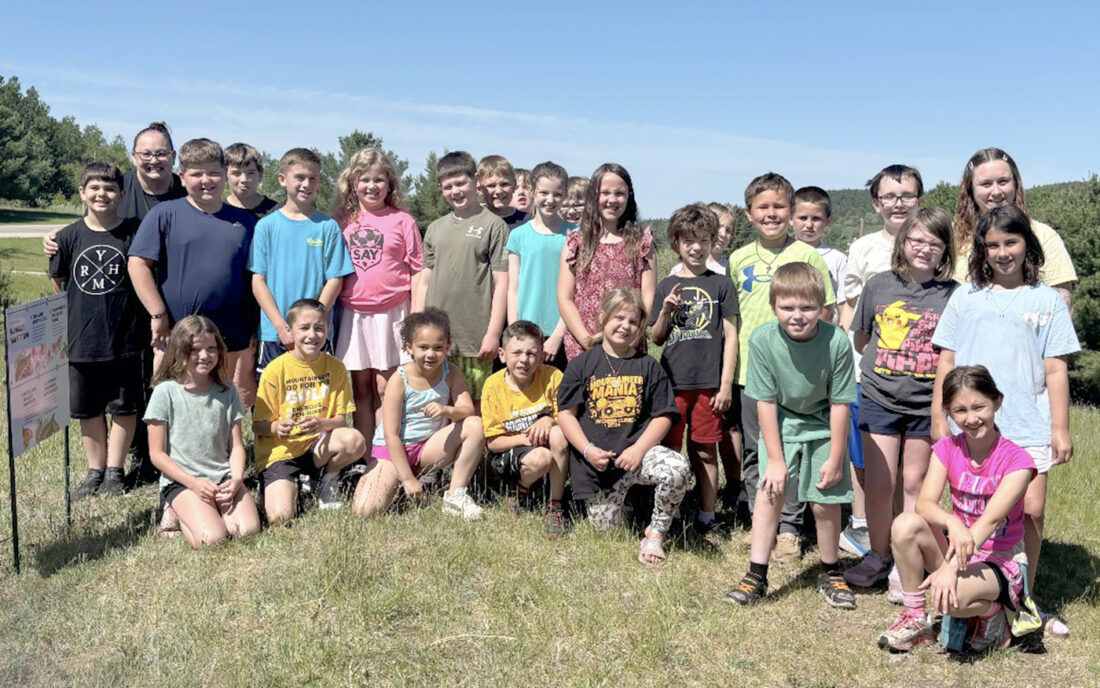
Iron Mountain North Elementary third grade teacher Sommer Spencer’s students who took part in the science project — from left, in front are Svetlana Conn, Henry Hallman, Camila Hoke, Ryker Jeffords, Etta Williams, Carter Groleau, Mia Chiamulera, Evelyn Hallman and Chloe Collier; in back are Braxtyn Majewski, Mrs. Hazelwood, Kai Krause, Linkoln Chartier, Grayson Torrenueva, Bella Hayes, Phineas Kloppmann, Landyn Webber, Bryan Anderson, Liliana Roschyk, Fredric Whisler, Kalista Roy, Max Farrell, Lewis Kaye, Ben Machus, Lincoln Siren, James Reath and teacher Spencer. (Submitted photos)
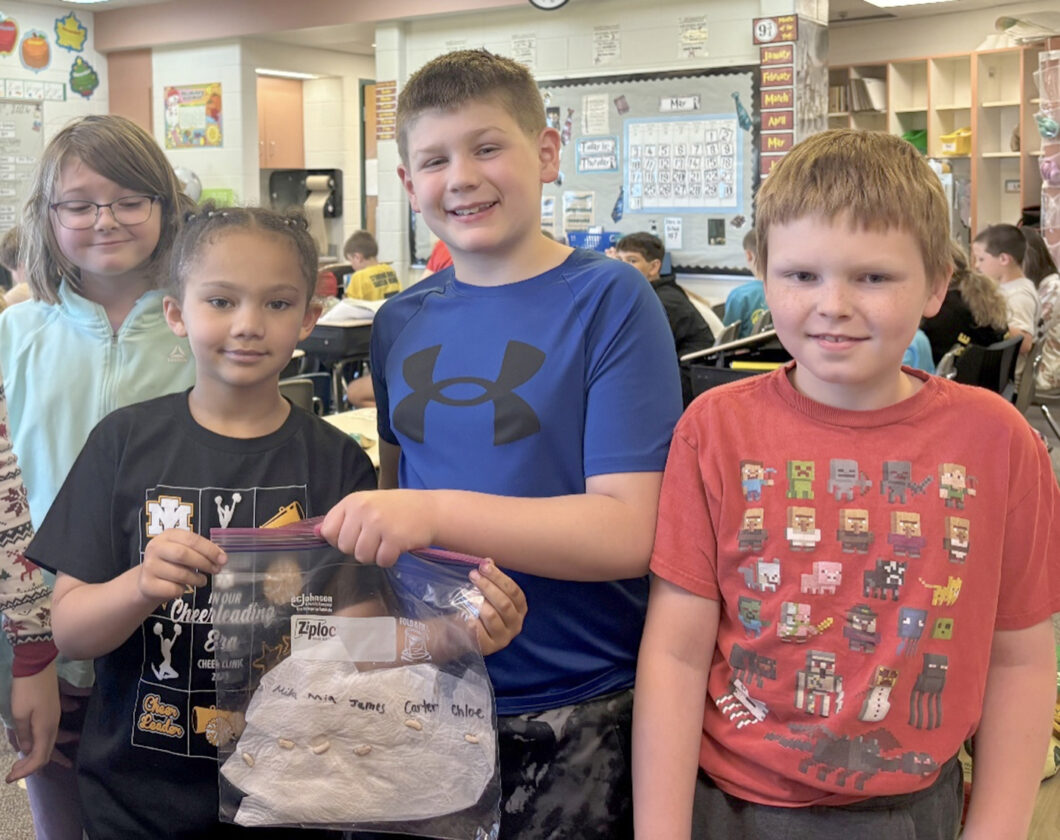
Germinating seeds, from left are Iron Mountain North Elementary third grade teacher Sommer Spencer’s students Mia Chiamulera, Camila Hoke, Phineas Kloppmann, and Carter Groleau.
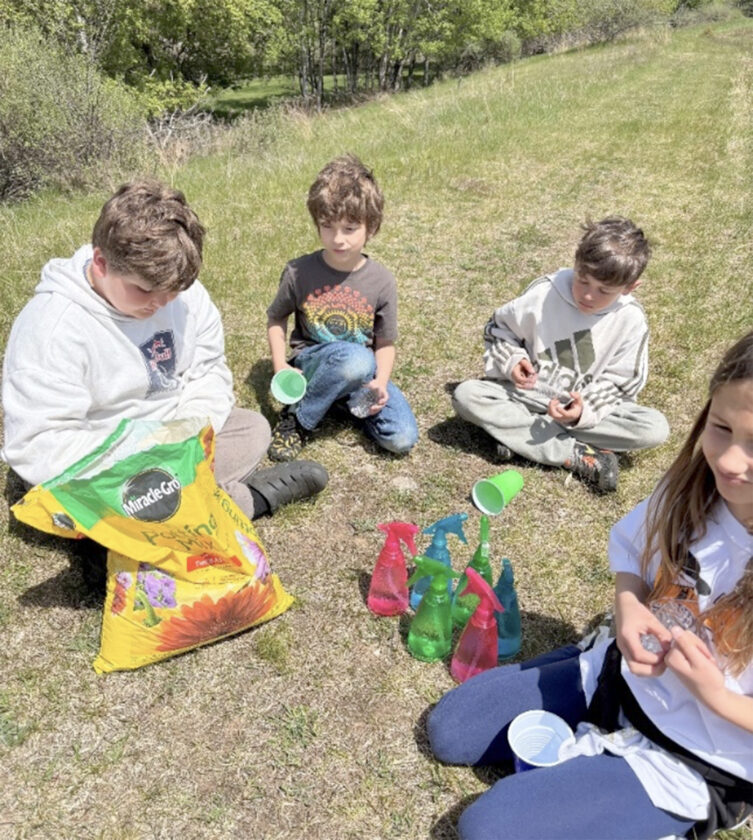
Planting seeds outside, from left are Iron Mountain North Elementary third grade teacher Sommer Spencer’s students Kai Krause, Max Farrell, Ryker Jeffords and Evelyn Hallman.
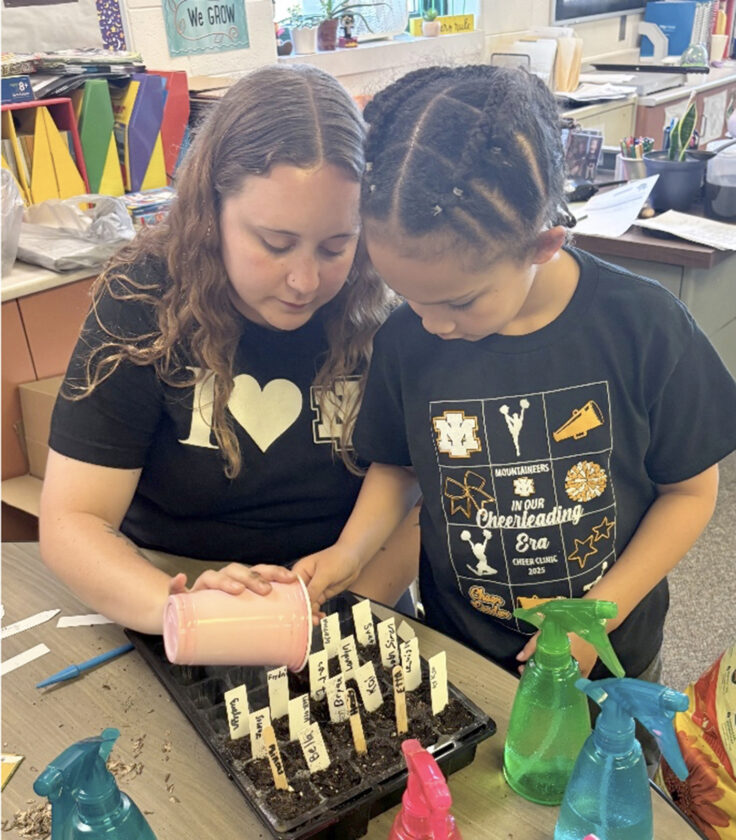
Iron Mountain North Elementary third grade teacher Sommer Spencer and student Camila Hoke plant seeds in soil.
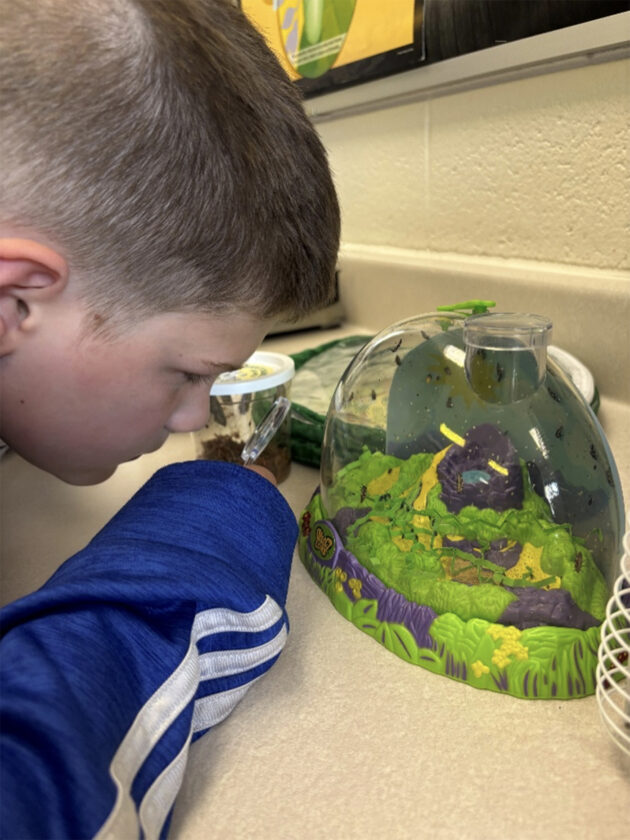
Iron Mountain North Elementary third grade teacher Sommer Spencer’s student Phineas Kloppmann observes ladybug larvae.
Iron Mountain North Elementary third grade teacher Sommer Spencer’s students who took part in the science project — from left, in front are Svetlana Conn, Henry Hallman, Camila Hoke, Ryker Jeffords, Etta Williams, Carter Groleau, Mia Chiamulera, Evelyn Hallman and Chloe Collier; in back are Braxtyn Majewski, Mrs. Hazelwood, Kai Krause, Linkoln Chartier, Grayson Torrenueva, Bella Hayes, Phineas Kloppmann, Landyn Webber, Bryan Anderson, Liliana Roschyk, Fredric Whisler, Kalista Roy, Max Farrell, Lewis Kaye, Ben Machus, Lincoln Siren, James Reath and teacher Spencer. (Submitted photos)
Germinating seeds, from left are Iron Mountain North Elementary third grade teacher Sommer Spencer’s students Mia Chiamulera, Camila Hoke, Phineas Kloppmann, and Carter Groleau.
Planting seeds outside, from left are Iron Mountain North Elementary third grade teacher Sommer Spencer’s students Kai Krause, Max Farrell, Ryker Jeffords and Evelyn Hallman.
Iron Mountain North Elementary third grade teacher Sommer Spencer and student Camila Hoke plant seeds in soil.
Iron Mountain North Elementary third grade teacher Sommer Spencer’s student Phineas Kloppmann observes ladybug larvae.
Trending
IRON MOUNTAIN -- The Dickinson Country branch of the Michigan Association of Retired School Personnel, or MARSP, awarded a $250 mini-grant to Iron Mountain North Elementary third grade teacher Sommer Spencer.
The funds were used to purchase materials for students to participate in Ecosystems in Action: Growing Scientists Through Hands-On Investigation, an science project that transformed her classroom this spring into a living laboratory.
Throughout the project, students experienced science firsthand by observing the life cycles of both painted lady butterflies and pink spotted ladybugs.
"Students carefully monitored each stage of development, from caterpillars to butterflies and from larvae to adult ladybugs, recording observations, asking questions, and documenting changes in their science journals," Spencer said.
"These daily investigations provided a unique opportunity to witness metamorphosis in real time while developing important scientific observation and inquiry skills."
Students also explored plant life cycles through hands-on seed investigations.
They examined seed structures, germinated and planted bush beans and zinnia flowers, and took responsibility for watering and caring for their growing plants.
As seedlings developed, students tracked growth, learned about plant needs, and discovered the important role plants play in supporting pollinators and healthy ecosystems. At the conclusion of the project, students potted their plants to take home and continue growing.
"One of the most memorable experiences was releasing the butterflies and ladybugs into our school's Butterfly Garden, an official Monarch Waystation," Spencer said.
Spencer said the meaningful connection between classroom learning and the local environment helped students understand the importance of pollinators, native species, and conservation efforts within their own community.
"Hands-on learning experiences like these allow students to move beyond textbooks and become active participants in the learning process," she said. "By observing living organisms, collecting data, and caring for plants and insects, students gained a deeper understanding of scientific concepts while developing curiosity, responsibility, and a sense of stewardship for the natural world."
The project also provided students with lasting memories and meaningful lessons about growth, change, and the interconnectedness of living things. "More importantly, it inspired young learners to see themselves as scientists capable of making positive contributions to their communities and the environment around them," she said. "We are grateful to MARSP for supporting this opportunity and helping bring science to life for our students."
MARSP is an organization of retired school personnel. It is proud to provide these grants to area educators to help them purchase materials that, due to budgetary restraints, might not otherwise be available to their students.
For more information about the MARSP organization, go to www.MARSP.org.