Native plant sales offered in Wisconsin
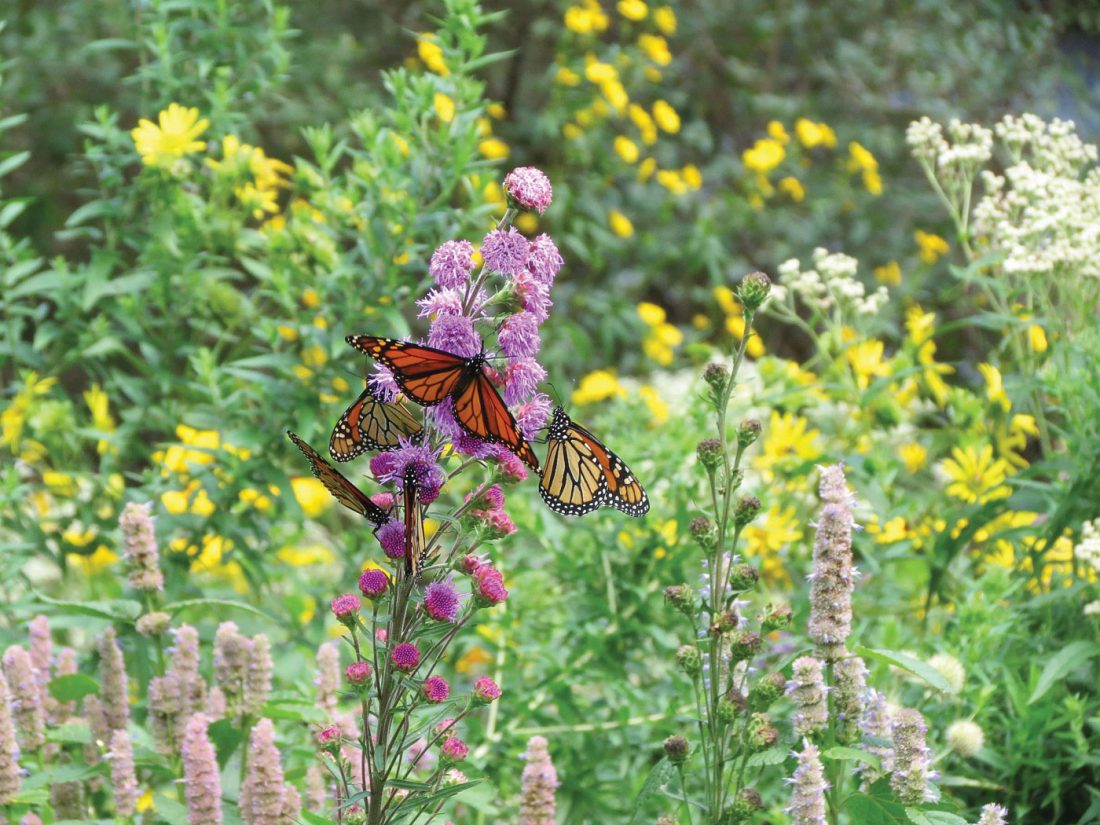
Paul Skawinski photo NATIVE PLANTS PROVIDE food for insects, birds, small mammals and other wildlife.
MADISON, Wis. — The Wisconsin Department of Natural Resources has announced that native plant sales are blooming across the state through April.
By planting native plants, the public can support the entire ecosystem by providing food for insects, birds, small mammals and other wildlife.
“Adding even a few native plants to your yard this spring can provide habitat for butterflies, bees, birds and other wildlife,” said Amy Staffen, DNR Conservation biologist for the department’s Natural Heritage Conservation Program. “These sales by local organizations and our Wisconsin native plant nurseries offer a convenient way to get started, whether you’re a beginner or more experienced gardener.”
The DNR has put together a list of list of 2021 native plant sales on the department’s endangered resources webpage to native plants order in for late spring and early summer planting. Wisconsin residents have a chance to buy plants from their home to ensure safety while benefiting local organizations.
Scientists are documenting global declines in insect populations. These can be attributed in part to loss of habitat and food sources. While native insects evolved to detoxify and digest native plants, they lack the enzymes necessary to eat non-native plants, including ornamental trees and other plants commonly used in landscaping.
Planting native plants helps boost the web of life: Native plants feed insects, which in turn feed birds, bats, and other wildlife.
For instance, in east coast suburban neighborhoods where less than 70% of native vegetation remains, research shows birds are not finding the insects they need to survive, and are having trouble reproducing, said Craig Thompson, the DNR’s migratory bird expert who leads the department’s Natural Heritage Conservation’s Program Integration Section.
Some monarch butterflies in the eastern migratory population that are breeding in Wisconsin and other Midwestern states have dropped 80% over the past 20 years, said Brenna Jones, a DNR conservation biologist who coordinates the Wisconsin Monarch Collaborative. Winter counts in Mexico showed a 26% decline in 2020-21 from the previous year.
The Wisconsin Monarch Collaborative — formed in 2018 to catalyze voluntary planting of native milkweed and native wildflowers to benefit monarchs and help reverse their decline — recently released its 2018-2020 Key Accomplishments Report detailing conservation efforts across the state.
Partners in the Collaborative are committed to engaging urban residents, farmers, businesses, rights-of-way managers and others to voluntarily add a total of about 120 million new milkweed plants within a diverse mix of native wildflowers to Wisconsin landscapes by 2038.
“The benefits of native plants don’t end with habitat,” Staffen said. “Adding native plants can help landowners achieve other goals. Native plants used in a rain garden can help minimize flooding and filter out pollutants. The variety of colors, shapes and sizes adds beauty to any property.”
More information on native plant sales, native plant nurseries, rain gardens, pollinator gardens, how-to guidance documents, plant lists and more is available on the DNR’s endangered resources webpage at https://dnr.wisconsin.gov/topic/endangeredresources/nativeplants.html.
Local News
Loons back on the nest at Six Mile Lake

Trump visit to Wisconsin highlights rural agenda

UW regents approve fourth tuition increase in four years

NWTC Aurora adds commercial driver’s license to training
Hancock man reportedly drowns in Lake Superior
HOUGHTON COUNTY — The body of a 57-year-old Hancock was recovered Wednesday morning after an apparent drowning in ...