
Neotropical migrants arrive
Northwoods Notebook
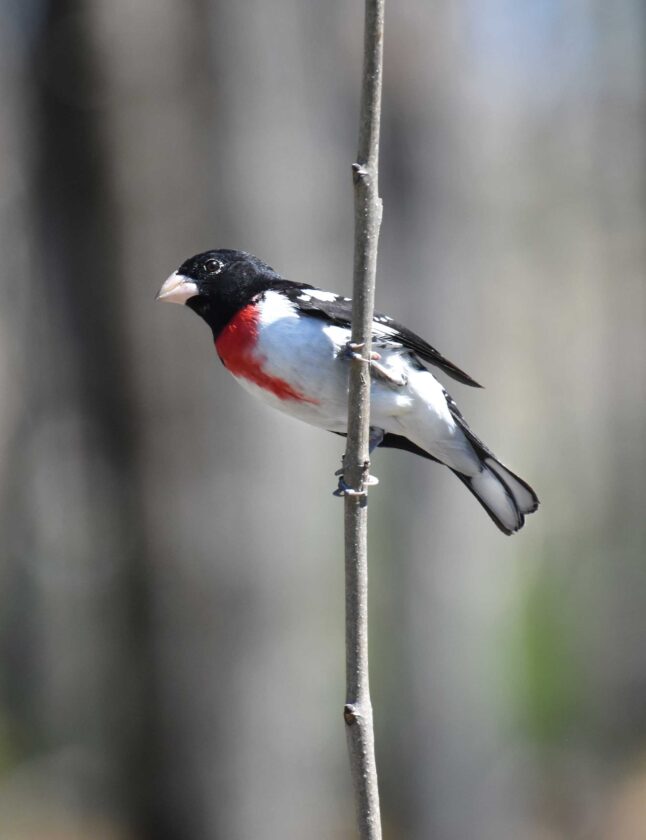
A MALE ROSE-BREASTED grosbeak takes a break from the feeders. The grosbeaks and Baltimore orioles are neotropical migrants that due to distance usually arrive later in spring than some of the other birds. (Betsy Bloom/Daily News photo)
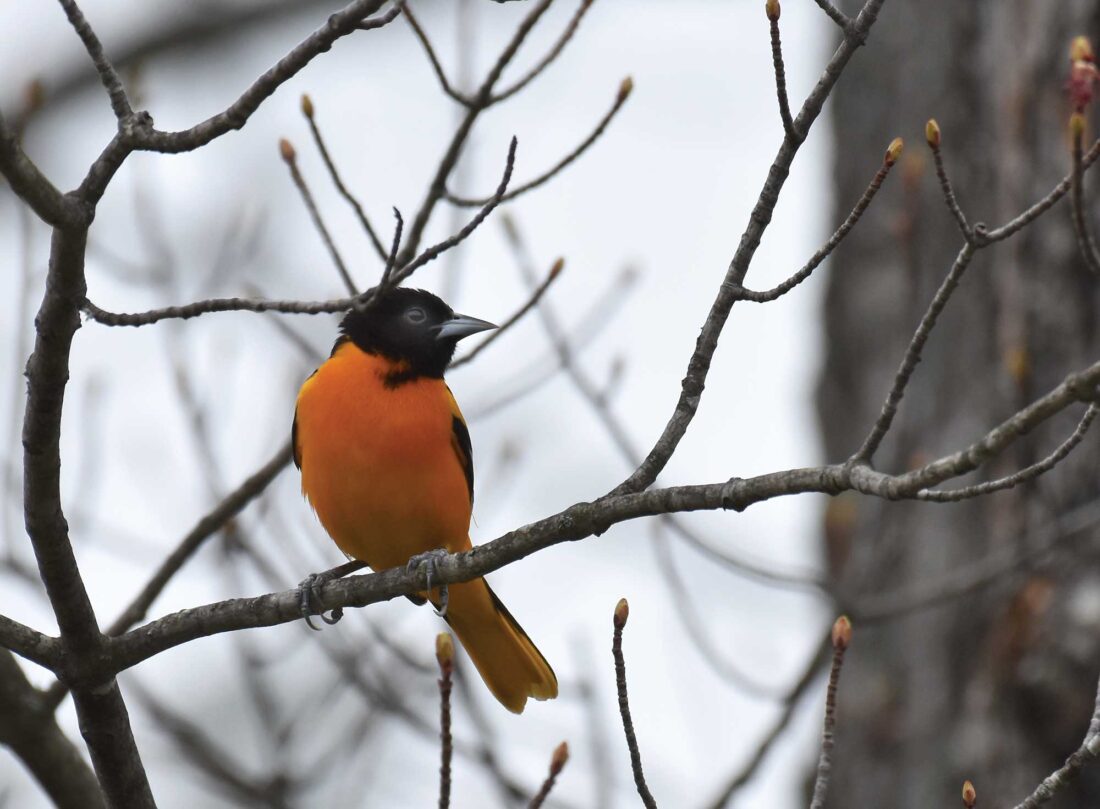
A MALE BALTIMORE oriole. Neotropical migrants such as this oriole have returned to the region to nest. They make for a colorful array at feeders that have oranges and grape jelly. (Betsy Bloom/Daily News photo)
A MALE ROSE-BREASTED grosbeak takes a break from the feeders. The grosbeaks and Baltimore orioles are neotropical migrants that due to distance usually arrive later in spring than some of the other birds. (Betsy Bloom/Daily News photo)
A MALE BALTIMORE oriole. Neotropical migrants such as this oriole have returned to the region to nest. They make for a colorful array at feeders that have oranges and grape jelly. (Betsy Bloom/Daily News photo)
Trending
While it might only be early May, spring is well advanced.
The nightly chirps of the spring peepers already are fading, giving way to the steady trill of toads. The trilliums are beginning to bloom, along with the fruit trees. Marsh marigolds provide vivid patches of yellow along the wetlands.
The first neotropical migrant birds arrived at our Six Mile Lake home Saturday and advanced through the week -- Baltimore orioles first, soon followed by the rose-breasted grosbeaks, ruby-throated hummingbirds and indigo buntings. We've not had scarlet tanagers but others have been lucky enough to get a visit.
The oriole's liquid notes and combative chatter are among the most distinctive sounds of spring.
Also relatively new on the scene are the female red-winged blackbirds -- they always come later than the males that rush in to stake out territories to be ready when the females show up.
In numbers under the feeders as well are brown-headed cowbirds -- not a welcome sight because of their habit of laying eggs in other birds' nests.
For some reason, all the birds seem to have interest in the suet this spring. Even the orioles and rose-breasted grosbeaks have honed in, even though we put out ample orange halves and grape jelly they feast on as well.
The orioles and yellow-bellied sapsuckers have learned how to tap into the hummingbird feeders, which is different from past years, too.
On the lake, most of the waterfowl have moved on. Those that remained haven't been visible, perhaps brooding the first batch of eggs.
The male turkeys that did pose battles in April are now chummy bachelor groups. I'm guessing the females are sitting on eggs as well.
It's human Mother's Day but for most other creatures in the northwoods it's still a little early for the babies to have hatched or been born, though a number of mammals, such as red fox and cottontail rabbits, likely have litters on the ground.
The wave of new wildlife is bound to start soon, though.
Conditions have been good for the robins and phoebes that were back early to already be on nest, working on the first of what usually are multiple broods raised before summer draws to a close. The first fawns should appear in the next couple of weeks.
Just a gentle reminder before that starts: Resist any urge to approach or handle these babies. The region has few options in terms of wildlife rehabilitators -- the closest now is U.P. Wildlife Rehabilitation -- Keweenaw Group in the Chassell-Lake Linden-Hancock area -- and they'll likely be at capacity if not there already. So any animal separated from its parents may face steep odds of finding the care it needs.
Also note: It is illegal for anyone but a licensed wildlife rehabilitator to have a wild animal. Most people have no idea of the level of specialized care and diet these creatures can require. For example, giving cow's milk to young mammals such as raccoons will kill it, the U.P. Wildlife Rehabilitation -- Keweenaw Group advised.
It's why the best thing to do in most cases when coming across a young animal is to leave it be unless it's clear that it's an orphan -- and then contact the Michigan Department of Natural Resources or U.P. Wildlife Rehabilitation -- Keweenaw Group to determine the best course of action. The U.P. Wildlife Rehabilitation -- Keweenaw Group has telephone numbers on its Facebook page.
Hopefully they won't be needed in the coming season of babies.