Frosts leave Michigan cherry growers facing small harvest
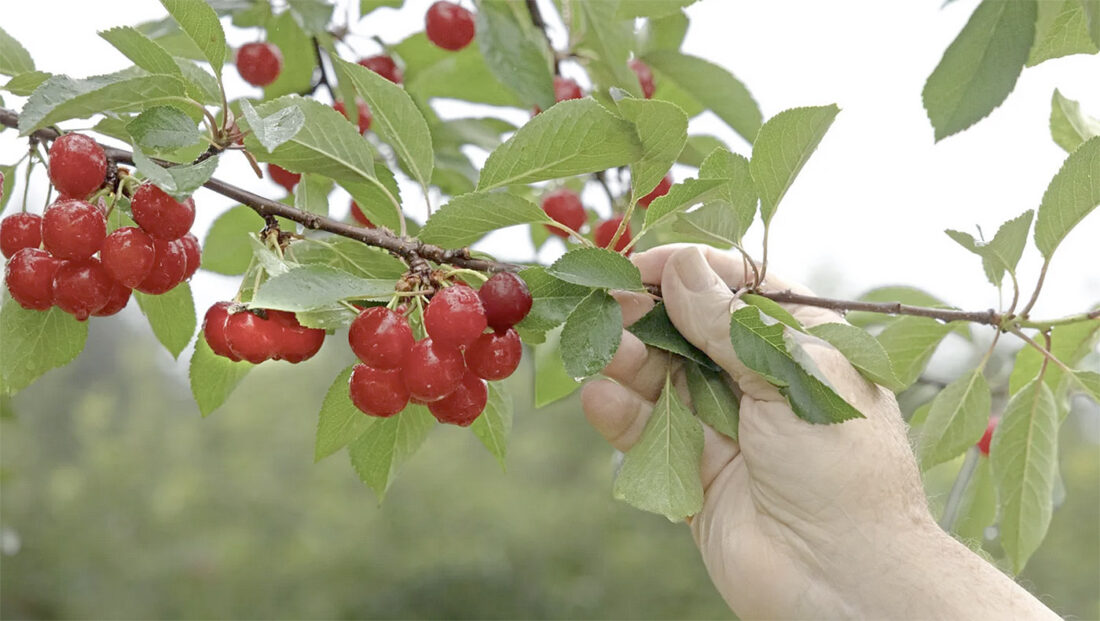
John King, owner of King Orchards in Central Lake, shows what would be a more typical group of tart cherries on a branch. In many cases this year the tart cherries did not have as many cherries as expected. (Scott Harmsen for Bridge Michigan)

John King founded King Orchards in Central Lake in 1980 with his brother, Jim. (Scott Harmsen for Bridge Michigan)
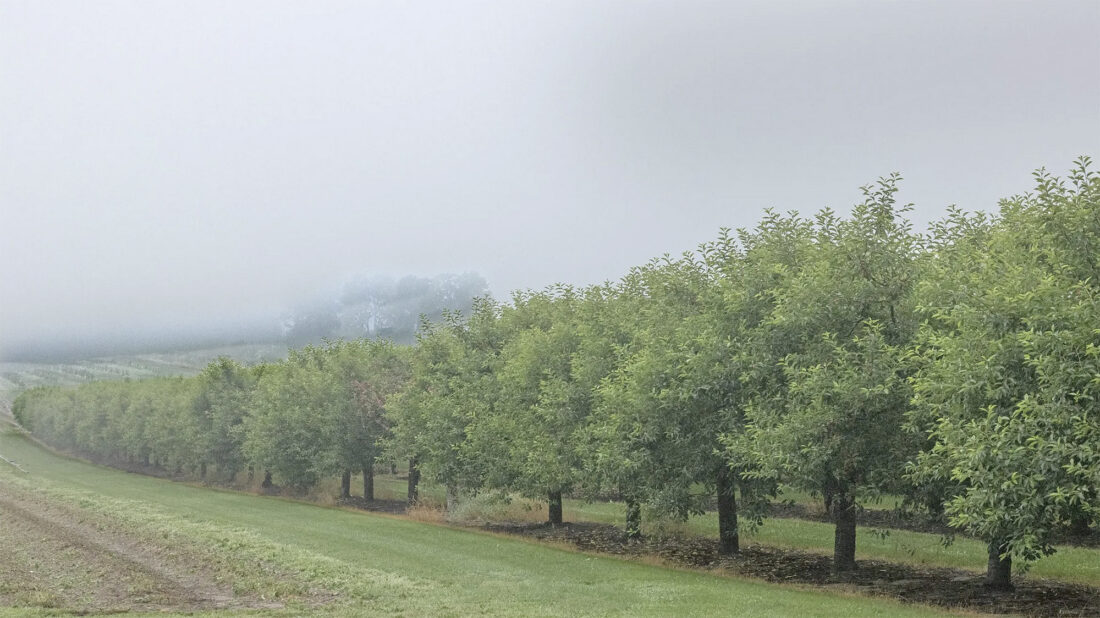
A section of tart cherry trees on King Orchards in Central Lake, Michigan. The farm has a variety of fruit trees, including sweet and tart cherries. (Scott Harmsen for Bridge Michigan)
John King, owner of King Orchards in Central Lake, shows what would be a more typical group of tart cherries on a branch. In many cases this year the tart cherries did not have as many cherries as expected. (Scott Harmsen for Bridge Michigan)
John King founded King Orchards in Central Lake in 1980 with his brother, Jim. (Scott Harmsen for Bridge Michigan)
A section of tart cherry trees on King Orchards in Central Lake, Michigan. The farm has a variety of fruit trees, including sweet and tart cherries. (Scott Harmsen for Bridge Michigan)
Trending
(This story was originally published by Bridge Michigan, a nonprofit and nonpartisan news organization. Visit the newsroom online: bridgemi.com.)
As cherry season arrives in Michigan, some growers are scaling back expectations or canceling U-Pick operations after spring frosts that produced devastating crop losses.
"Many of us will not harvest at all because there aren't any cherries in a tree," John King, owner of King Orchards in Central Lake, told Bridge Michigan. "If you can only get 3 or 4 pounds of cherries out of a tree, it may not pay to harvest them."
The Antrim County farm typically produces 2 million pounds of cherries each year for use in concentrates and other frozen products. This year, King expects to harvest about 60,000 pounds but is still offering U-Pick.
The difficult growing season is the latest challenge for Michigan cherry growers, particularly in northern Michigan, one of the nation's top tart cherry regions, where operators have seen expenses grow, prices drop and production fall.
This year, the U.S. Department of Agriculture forecasts that tart cherry production statewide will fall 24% to about 83 million pounds. Nationwide, production will drop 36%.
The news is particularly troubling for Michigan, which still produces roughly 70% of the nation's tart cherry crop.
At the Miller Family Orchard just outside of Saginaw, nearly all of the cherries were destroyed this year, prompting owner Jennifer Miller to think about replacing the crop altogether.
"We lose those crops a lot more often than we get them, so we might as well put something more profitable back in the ground," Miller told Bridge. "We'll probably concentrate on a larger amount of strawberries and apples, crops that we can actually count on."
Shifting winter temperatures can create problems for fruit growers because trees need a sustained period of cold weather to remain dormant. When warm spells arrive too early, trees can begin budding before spring.
If freezing temperatures return, those buds can be damaged or killed, reducing the upcoming fruit harvest.
"With the change in the climate every year, the cherries go into bloom a little bit earlier than before," Miller said. "When I moved to this farm 46 years ago, we used to have all of our blooms in mid-to-late May. Now we get blooms as early as March or April and inevitably you're going to have a frost."
For the public, the difficult growing season means less opportunity for picking.
At Verellen Orchards & Cider Mill in Macomb County, operators canceled the U-Pick season after roughly 40% of their cherries were destroyed by the spring frosts.
"On a normal year, we might pick 600 half bushels of cherries; this year we probably only picked 300," manager David Friedli told Bridge.
"It hurt a little bit, but we will survive," he said.
Westview Orchards and Winery in Macomb County also recently announced that it will have no U-Pick cherries this season due to spring frosts, which caused significant damage to its cherry crops.
Even farms in northern Michigan where temperatures aren't as high were still affected.
"Not having a crop means that our secondary business is being starved as well and this crop is coming on the heels of a very short crop last year, so there is no inventory left," King said.
Sweet cherries, which are slightly more resistant to spring frosts, are still available but aren't as popular.
"What this means ultimately is we will have to borrow against our equity," King said. "We have other income stress, but tart cherries are the biggest part of our economic engine. So, we will probably end the year owing more than we started."